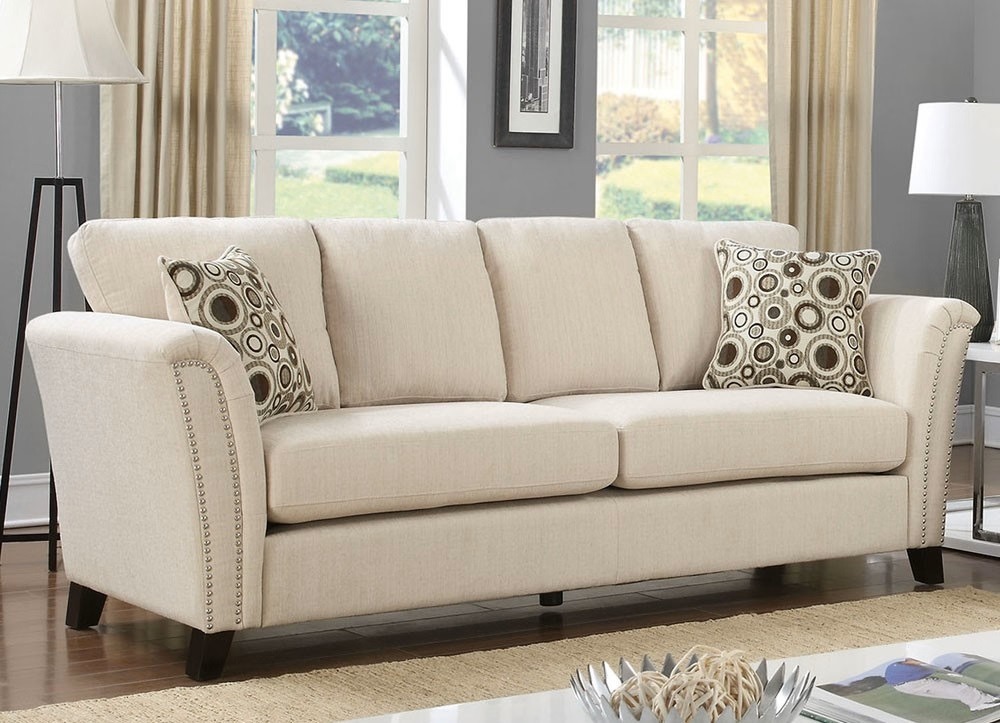
Traditional rooms have a charm that feels warm, rich, and full of personality. The furniture, colours, textures, and patterns all work together to create a space with meaning. One of the most important parts of this look is the fabric. Good fabric can refresh old seating, protect furniture, and improve the whole room’s style. This is where sofa upholstery in Dubai becomes useful for homes that want comfort with a traditional touch.
Traditional room design often includes carved wood, deep colours, soft lighting, patterned rugs, and detailed curtains. Sofa fabric brings all these parts together. It can make a room feel more graceful, more welcoming, and more connected to its cultural style.
Fabric Sets The Mood Of The Room
Sofa fabric has a strong effect on the mood of a traditional room. A plain sofa can look simple, but the right fabric can turn it into a beautiful centrepiece. Velvet, linen, jacquard, chenille, and patterned cotton can all create different feelings.
In many homes, especially in the UAE, traditional rooms are designed for guests, family gatherings, and relaxed evenings. People often choose custom Sofa Dubai options because they want seating that fits their space, culture, and personal taste. A carefully selected fabric helps the sofa match the rest of the room without looking forced.
Dark shades such as maroon, emerald green, navy blue, brown, and gold can create a royal look. Soft shades such as beige, cream, sand, and light grey can create a calm and elegant setting. Both styles can work beautifully when the fabric matches the room’s layout and decor.
Patterns Add Cultural Beauty
Traditional rooms often look better with patterns. Fabric patterns can show culture, history, and taste in a very natural way. Floral prints, geometric lines, paisley details, and Arabic-inspired designs can add depth to a room.
A sofa with patterned fabric can become the main attraction in the room. It can also balance plain walls, wooden tables, and simple flooring. For example, a beige room can look more lively with a sofa covered in a rich, patterned fabric. In the same way, a room with heavy decor can feel balanced with a soft plain fabric.
The key is to choose patterns that support the room’s style. Large patterns suit big sofas and spacious rooms. Smaller prints work well for compact seating, cushions, armchairs, and corner sofas.
Texture Brings Warmth And Comfort
Texture is one of the easiest ways to make a traditional room feel cosy. Smooth leather gives a formal look, while velvet feels rich and soft. Chenille feels warm and homely. Linen gives a simple and natural finish.
Traditional interiors usually need a soft and welcoming feel. This is because these rooms are often used for sitting, talking, serving tea, and spending time with guests. A rough or stiff fabric can make the sofa feel less inviting. A soft and durable fabric makes the room more useful and more pleasant.
Textured fabric also looks beautiful with traditional rugs, wooden screens, brass decor, and embroidered cushions. It adds layers to the room, so the design feels more complete.
Colours Connect The Whole Design
Colour is a major part of traditional room design. Sofa fabric can either blend with the room or create contrast. Both choices can work well when done carefully.
For a classic traditional room, warm colours are often a great choice. Brown, rust, cream, mustard, olive, and deep red can make the space feel grounded. These colours match wooden furniture, gold accents, and warm lighting.
For a lighter traditional room, soft neutral fabrics can work better. Cream, ivory, beige, and taupe can make the room feel open and clean. These colours also allow rugs, cushions, and curtains to stand out.
A good tip is to choose sofa fabric after looking at the room’s floor, curtains, wall colour, and main decor pieces. This helps everything feel connected.
Upholstery Gives Old Sofas A Fresh Life
Many traditional rooms have sofas that are strong but look old because of faded or damaged fabric. Instead of replacing the full sofa, reupholstery can refresh it. This keeps the original shape, frame, and comfort while giving it a new look.
This is especially useful for traditional furniture with carved wooden arms, curved backs, or special family values. A new fabric can protect the sofa and keep its classic beauty alive. It also helps save space, money, and effort compared to buying a new piece.
Reupholstery is also a smart choice when the sofa size already fits the room perfectly. A fabric change can make the sofa match new curtains, rugs, or wall colours.
Cushion Fabrics Add Extra Style
Cushions are small, but they can make a big difference. In traditional rooms, cushions often add colour, pattern, and comfort. They can also make a sofa look more layered and stylish.
A plain sofa can look more traditional with embroidered cushions, silk covers, velvet cushions, or printed designs. On the other hand, a patterned sofa can look balanced with plain cushions in matching shades.
Mixing textures also works well. For example, a velvet sofa can be paired with cotton or silk cushions. A linen sofa can look better with embroidered or patterned cushions. This creates a rich look without making the room feel too busy.
Fabric Choice Improves Daily Use
A traditional room should look beautiful, but it should also be easy to use. The fabric must suit daily life. Homes with children, pets, or many guests need stronger fabric. Easy clean fabrics, thick woven materials, and stain-resistant options are helpful for busy spaces.
For formal guest rooms, luxury fabrics like velvet or jacquard can work well. For family rooms, chenille, cotton blends, or durable linen can be more practical. The right choice depends on how often the sofa is used.
Good fabric keeps the sofa looking fresh for longer. It also makes the room easier to maintain.
Traditional Rooms Need Balance
A traditional room can quickly feel heavy if every item has strong colours and patterns. Sofa fabric helps create balance. If the curtains and rug are detailed, a plain sofa fabric may look better. If the walls and floor are simple, a patterned sofa can add character.
Balance also comes from fabric weight. Heavy fabrics suit grand rooms with classic furniture. Lighter fabrics suit relaxed traditional rooms with a softer style.
This balance helps the space feel elegant, comfortable, and easy on the eyes.
Fabric Supports Cultural Seating Styles
Many traditional rooms include majlis-style seating, low sofas, floor cushions, and wide seating areas. These designs need fabric that feels comfortable and looks connected to the culture of the space.
Majlis seating often uses rich patterns, deep colours, and strong fabrics. These choices create a warm and social setting. Since guests may sit for long periods, the fabric should feel soft and supportive.
Fabric also helps separate formal rooms from casual family areas. A rich fabric can make a guest room feel special, while a simpler fabric can make daily seating feel relaxed.
Final Thoughts
Sofa fabric plays a powerful role in traditional room design. It affects colour, comfort, mood, culture, and daily use. The right fabric can make an old sofa look fresh, make a new sofa feel more personal, and make the whole room look complete.
For traditional interiors, fabric should be chosen with care. It should match the room style, support comfort, and add beauty without creating a crowded look. From velvet and jacquard to linen and chenille, every fabric brings its own charm.
A well-chosen sofa fabric does more than cover furniture. It tells a story, supports the room’s character, and makes the space feel warm, graceful, and ready for family or guests.
