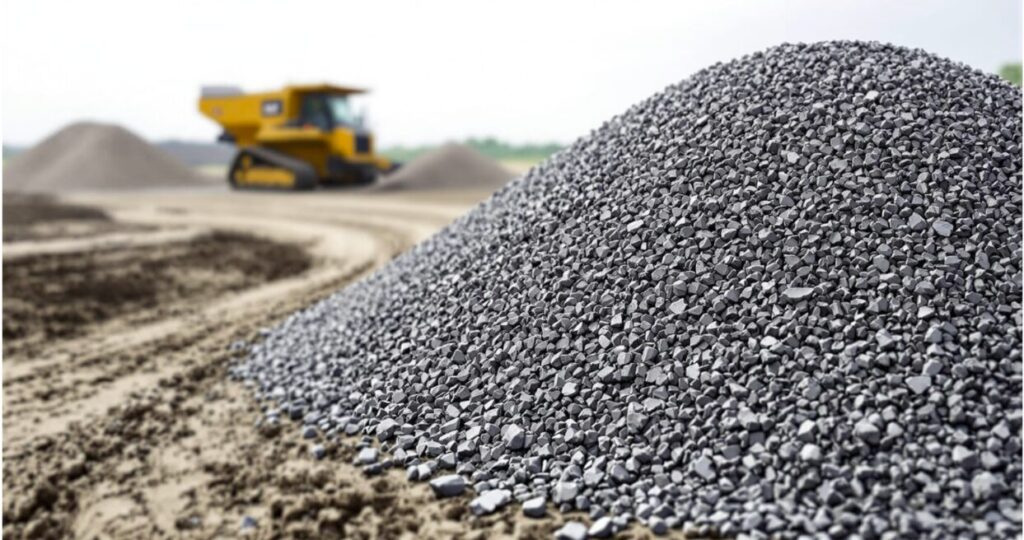
Contractors are always looking for ways to lower costs, reduce waste, and make better use of materials already available on the job site. A Rebel crusher can help turn broken concrete, asphalt, brick, block, and stone into reusable base material that can support driveways, parking lots, roadbeds, building pads, and other construction applications.
Instead of hauling debris away and paying disposal fees, contractors can process material directly on site. This gives crews more control over project timelines, reduces trucking needs, and helps transform waste into a useful resource. For many contractors, concrete recycling equipment for base material offer a practical way to improve efficiency while making each project more profitable.
Why Reusable Base Material Matters
Base material is an important part of many construction and site development projects. It helps create a stable foundation beneath roads, driveways, slabs, parking areas, and walkways. Without a solid base, finished surfaces may shift, crack, settle, or fail over time.
Contractors often purchase aggregate from outside suppliers, but that can become expensive when material, delivery, and scheduling delays are included. By creating reusable base material from job site debris, contractors can reduce the need to buy new aggregate and keep more value within the project.
This approach is especially useful for demolition, excavation, concrete removal, paving, and site prep contractors who regularly handle large amounts of broken material.
How Rebel Crushers Turn Waste into Base Material
Rebel Crushers are designed to reduce larger pieces of material into smaller, more manageable sizes. Contractors can feed concrete, asphalt, brick, block, or stone into the machine and produce crushed material that may be suitable for reuse, depending on project requirements.
The process helps contractors create base material from concrete that might otherwise be treated as waste. Once crushed, the material can often be used for road base, driveway base, construction entrances, drainage areas, parking lot preparation, and backfill.
The exact use will depend on the material quality, size, local specifications, and project needs. Contractors should always confirm that the recycled material meets any required standards before using it in structural or regulated applications.
Benefits of On-Site Concrete Crushing
One of the biggest advantages of on-site concrete crushing is cost control. Hauling concrete away from a job site can require trucks, fuel, labor, time, and disposal fees. Bringing new aggregate back to the site adds even more cost.
By crushing material where it is generated, contractors can reduce transportation expenses and simplify the material handling process. This can be especially helpful on projects where access is limited or where moving material in and out of the site would slow down production.
On-site crushing can also help crews work faster. Instead of waiting for trucks to remove debris or deliver new stone, contractors can process existing material and reuse it when needed.
Why Contractors Use Portable Crushers
A portable crusher for contractors provides flexibility across different job sites. Contractors rarely work in one location forever, so equipment that can move from project to project is often more valuable than a fixed crushing setup.
Portable crushing equipment allows crews to process material where the work is happening. This is useful for demolition sites, roadwork projects, utility jobs, commercial properties, residential developments, and recycling yards.
For small and mid-sized contractors, portability can be especially important. It allows them to take on material processing work without needing a permanent yard or a large-scale crushing operation.
Common Materials Contractors Can Recycle
Contractors can often use Rebel Crushers to process several types of construction and demolition material, including concrete, reinforced concrete, asphalt, brick, block, pavers, stone, and rock.
Concrete is one of the most common materials used to produce reusable base material. Asphalt can also be crushed and reused in certain applications. Brick and block may be suitable for fill or base depending on the project. Natural stone and rock can also be processed into usable aggregate.
The key is to separate clean material from contaminated debris. Wood, trash, excessive dirt, metal, and other unwanted materials should be removed as much as possible before crushing. Cleaner input material usually leads to better output material.
How Reusable Base Material Improves Profitability
Creating reusable base material can improve contractor profitability in several ways. First, it reduces disposal costs. Second, it lowers the need to purchase new aggregate. Third, it can reduce trucking time and fuel costs. Fourth, it may help contractors finish projects faster.
There is also the potential to create new revenue. Contractors who produce more recycled aggregate than they need may be able to use it on future jobs or sell it where allowed. Some contractors may also offer mobile crushing as a service to other businesses, property owners, or demolition companies.
For contractors looking to expand their capabilities, material recycling can become more than a cost-saving tactic. It can become a competitive advantage.
Project Types That Benefit Most
Rebel Crushers can be useful on many types of projects where contractors need to manage heavy debris. These may include concrete demolition, sidewalk and driveway removal, parking lot reconstruction, road repair, building demolition, utility trenching, site clearing, and land development.
Projects with large amounts of concrete or asphalt often provide the strongest opportunity for reuse. If the crushed material can be used on the same site, the savings may be even greater because contractors avoid both removal and replacement costs.
What Contractors Should Consider First
Before using crushed material as base, contractors should consider project specifications, local rules, material cleanliness, desired output size, and compaction requirements. Not every recycled material is suitable for every application.
Contractors should also think about how much material they generate on a regular basis. If a company only produces small amounts of debris occasionally, renting or subcontracting crushing services may make sense. If the business handles recyclable material often, owning a crusher could offer stronger long-term value.
Final Thoughts
Rebel Crushers help contractors turn job site debris into practical, reusable base material. By processing concrete, asphalt, brick, block, stone, and other materials on site, contractors can reduce hauling, lower disposal costs, reuse more aggregate, and gain better control over their projects.
For companies that regularly manage construction and demolition debris, investing in portable crushing equipment can support more efficient operations and stronger profit margins. With the right material, planning, and job site strategy, contractors can turn waste into a valuable resource for future work.

