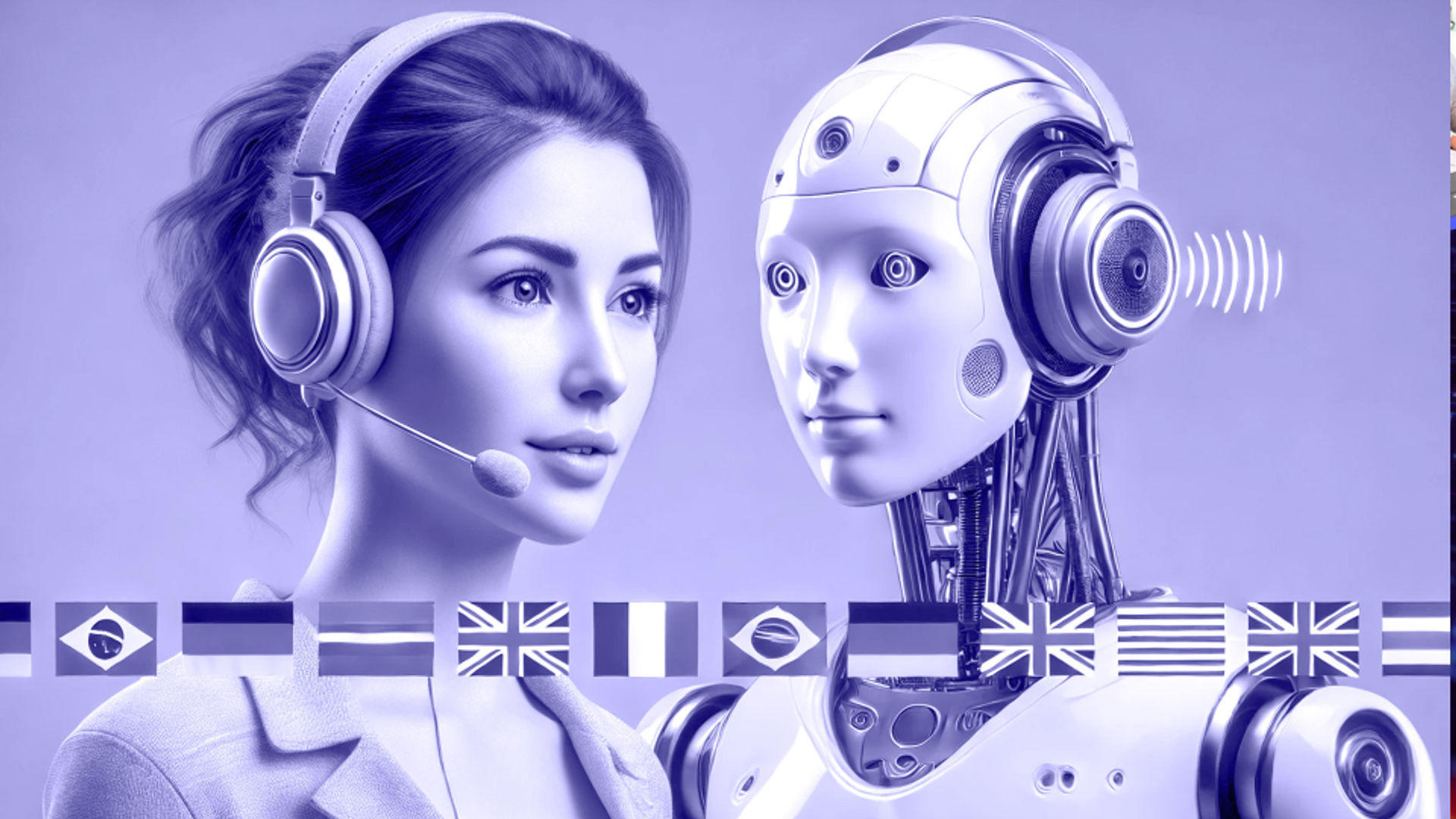
As businesses expand into Chinese-speaking markets, translation costs can significantly impact budgets. The rise of AI-assisted translation tools offers opportunities to reduce expenses without compromising quality. Professional Chinese translation services like Ulatus combine AI efficiency with expert human oversight to ensure accurate, culturally aligned translations at optimized costs.
Understanding the AI Impact on Translation
Neural Machine Translation (NMT) has transformed the translation landscape. AI systems process entire sentences, recognize context, and generate initial drafts rapidly. Key benefits of AI in translation include:
- Faster turnaround for large volumes of content
- Consistency in repeated terms and industry-specific phrases
- Lower initial labor costs, as AI handles bulk translation
Despite these advantages, AI alone cannot fully interpret legal, technical, or marketing nuances. Human expertise remains essential to ensure accuracy and cultural appropriateness.
Cost-Saving Strategies
- Hybrid Translation Model
Combining AI-assisted drafts with human post-editing balances cost and quality. AI handles repetitive and high-volume content, while professional translators verify accuracy, correct errors, and adapt language to cultural context. Ulatus applies this model to deliver cost-efficient and precise translations. - Prioritize High-Impact Content
Not all documents require the same level of translation precision. Focus human review on high-stakes materials, such as contracts, marketing campaigns, and technical manuals, while AI handles standard communications, internal reports, or bulk content. - Use Glossaries and Translation Memories
Maintaining standardized terminology across projects reduces repetitive translation effort. Translation memories and industry-specific glossaries improve efficiency, minimize errors, and cut costs over time. - Plan Projects in Advance
Early planning allows translation providers to allocate resources efficiently and avoid rush fees. Scheduling recurring or bulk projects can secure negotiated rates, reducing overall cost. - Leverage Scalable AI Solutions
AI tools scale easily for large projects, enabling businesses to handle multiple documents simultaneously. Professional services like Ulatus integrate AI solutions with human review to optimize both speed and accuracy, resulting in cost-effective workflows.
Industry-Specific Considerations
- Legal and Financial Documents: High accuracy is critical. Human post-editing ensures compliance while AI reduces initial drafting effort.
- Marketing and Creative Content: Cultural adaptation and persuasive tone require expert review, as AI may miss nuances.
- Technical and Software Documentation: Consistency in terminology and formatting is essential; AI combined with professional oversight ensures precise output.
- E-Learning and Educational Material: Clear and structured language is necessary for comprehension; AI can assist with bulk content, while human editors ensure readability.
Professional Chinese translation services adjust workflows according to industry requirements, maximizing cost efficiency without sacrificing quality.
Leveraging Long-Term Partnerships
Building ongoing relationships with translation providers offers multiple advantages:
- Bulk and recurring project discounts
- Consistency across multiple projects
- Familiarity with company style and terminology
- Faster turnaround due to established workflows
Providers such as Ulatus support businesses with long-term translation strategies that combine AI tools and human expertise, ensuring both cost savings and professional output.
Balancing Cost and Quality
While AI reduces initial translation costs, human review is indispensable for professional results. Key practices include:
- Using AI for first drafts while assigning human post-editing for accuracy
- Maintaining glossaries and translation memories for recurring content
- Prioritizing high-value content for detailed human review
- Avoiding over-reliance on AI for culturally sensitive or legal material
This balance preserves quality, reduces risk, and maintains professional credibility.
Strategic Advantages
By integrating AI and professional oversight, businesses can:
- Reduce translation turnaround times
- Lower overall project costs without compromising accuracy
- Ensure consistent terminology and professional tone
- Maintain compliance for legal, technical, and marketing content
Professional Chinese translation services such as Ulatus provide structured workflows, expert linguists, and technology integration to achieve these benefits.
Conclusion
AI-assisted translation offers significant cost-saving potential for English-to-Chinese projects. However, human expertise is essential for accuracy, cultural alignment, and legal compliance. By adopting hybrid workflows, leveraging translation memories, planning projects efficiently, and partnering with professional services like Ulatus, businesses can optimize costs while maintaining high-quality translations. This approach ensures effective communication, credibility, and operational efficiency in Chinese-speaking markets.

