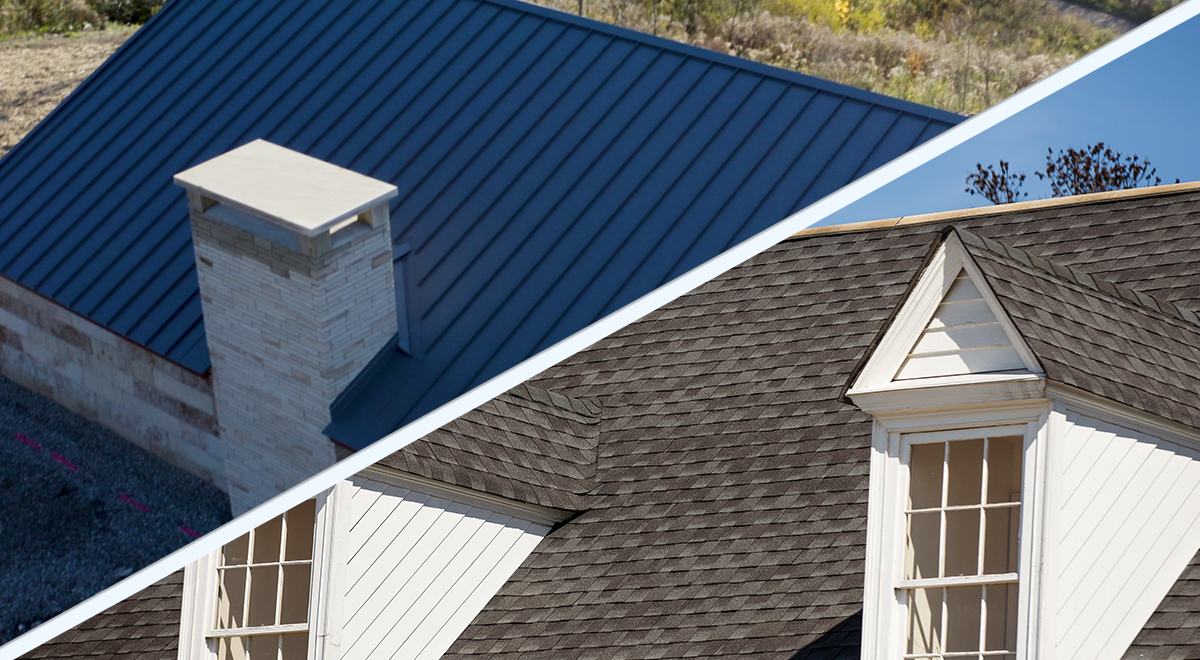
Choosing the right roofing material for your home is an essential decision that can impact your property’s durability, energy efficiency, and aesthetic appeal. Two popular options for roof replacement projects are asphalt shingles and metal roofs, each offering distinct advantages and potential drawbacks. Understanding the differences between these materials will help you make an informed decision that suits your needs, budget, and preferences. We will explore the key characteristics of both asphalt shingles and metal roofs, comparing their longevity, cost-effectiveness, environmental impact, and overall suitability for different homes. You can also visit our website to learn more about JWE Remodeling & Roofing.
When considering a roof replacement, it’s essential to weigh the benefits of both asphalt shingles and metal roofs. Each option offers unique advantages, from the affordability and ease of installation of asphalt shingles to the durability and energy efficiency of metal roofs. If you’re unsure where to begin your roofing project, start here to explore a range of residential roofing services that can guide you in making the best choice for your home. By understanding the specific needs of your property and climate, you can select a roofing material that not only enhances your home’s aesthetic but also provides long-lasting protection. Asphalt shingles are known for their affordability and ease of installation, making them a popular choice for many homeowners. On the other hand, metal roofs offer durability and energy efficiency, often lasting longer and providing better protection against harsh weather conditions. For those seeking professional guidance in making the right choice, Roof Works offers expert advice and services to ensure your roofing project meets your specific needs. By understanding the unique advantages of each material, you can make an informed decision that enhances the longevity and aesthetic appeal of your home.
Durability and Longevity: Which Material Lasts Longer?
Durability is crucial when selecting a roofing material, as it determines how long your investment will last. Asphalt shingles typically have a lifespan of 20 to 30 years, depending on their quality and the maintenance they receive. While they resist various weather conditions, they can be vulnerable to extreme temperatures, high winds, and hail damage. Over time, asphalt shingles may crack, curl, or lose their granules, leading to the need for repairs or replacement.
In contrast, metal roofs are renowned for their exceptional durability, often lasting 40 to 70 years or more with proper care. They are highly resistant to harsh weather conditions, including heavy rain, snow, and wind, and they do not deteriorate as quickly as asphalt shingles. Additionally, metal roofs are non-combustible, providing an added layer of safety in areas prone to wildfires. However, their durability comes at a higher upfront cost, which homeowners should consider when planning a roof replacement project.
Cost Comparison: Upfront Costs vs. Long-Term Savings
The cost of roofing materials can significantly influence your decision, especially if you are working within a budget. Asphalt shingles are generally more affordable upfront, making them a popular choice for homeowners seeking an economical option. Their installation is also less labor-intensive, further reducing costs. However, their shorter lifespan and the potential for frequent repairs can lead to higher expenses over time.
On the other hand, metal roofs have a higher initial cost due to the material itself and the specialized installation process they require. Despite the steep upfront investment, they offer significant long-term savings. Their durability reduces the need for repairs and replacements, and they often come with extended warranties. Additionally, metal roofs can improve energy efficiency by reflecting solar heat, potentially lowering cooling costs during hot summers. Homeowners must weigh the initial expense against the long-term financial benefits when deciding between these roofing materials.
Environmental Impact and Sustainability
In today’s environmentally conscious world, the sustainability of roofing materials is an important consideration. Asphalt shingles are made from petroleum-based materials, contributing to their environmental footprint. They are also less recyclable, and old shingles often end up in landfills, adding to waste. While some manufacturers are developing more sustainable options, asphalt shingles generally have a higher environmental impact than metal roofs.
Metal roofs, however, are often made from recyclable materials such as aluminum, steel, or copper, making them a more sustainable choice. At the end of their lifespan, metal roofing materials can be recycled again, reducing waste and conserving resources. Furthermore, their energy-efficient properties help lower energy consumption, making them an eco-friendlier option for environmentally conscious homeowners. Considering the environmental implications of your roofing choice can guide you toward a more sustainable decision.
Aesthetic Versatility and Home Design
Another important factor to consider is the visual appeal of a roof, as it contributes to your home’s overall curb appeal. Asphalt shingles are available in various colors, styles, and textures, allowing homeowners to find a look that complements their home’s architectural style. Whether you prefer a classic or modern design, asphalt shingles offer versatile options to suit your preferences.
Metal roofs, while traditionally associated with a sleek, industrial appearance, have evolved to include a variety of design choices. They can mimic the look of traditional shingles, tiles, or even wood shakes, giving homeowners the flexibility to achieve their desired aesthetic. Additionally, metal roofs maintain their appearance longer, as they are less prone to fading or discoloration. By comparing the design options of asphalt shingles and metal roofs, you can select a material that aligns with your home’s style and enhances its visual appeal.
Installation and Maintenance Requirements
The ease of installation and maintenance is another critical aspect to evaluate when choosing a roofing material. Asphalt shingles are relatively simple to install, making them a faster and more cost-effective option for many homeowners. They also require minimal maintenance, with occasional inspections and repairs sufficient to keep them in good condition. However, their susceptibility to damage means maintenance may be needed more frequently than other materials.
While metal roofs are more complex to install, they require little maintenance once in place. Their durability and resistance to damage minimize the need for repairs, and they can often be cleaned with a hose or mild detergent. However, improper installation can lead to leaks or reduced performance, so it is important to ensure the installation is done correctly. Evaluating each material’s installation and maintenance needs can help you choose the option that best fits your lifestyle and resources.
Choosing between asphalt shingles and metal roofs for your replacement project requires careful consideration of various factors, including durability, cost, environmental impact, aesthetics, and weather resistance. Asphalt shingles are affordable and versatile, ideal for those seeking a traditional look and lower upfront costs. However, they may require more frequent repairs and replacements over time. While more expensive initially, metal roofs offer exceptional durability, energy efficiency, and sustainability, making them a worthwhile investment for many homeowners. By weighing the pros and cons of each material and considering your specific needs and budget, you can make an informed decision that enhances the value and longevity of your home.
