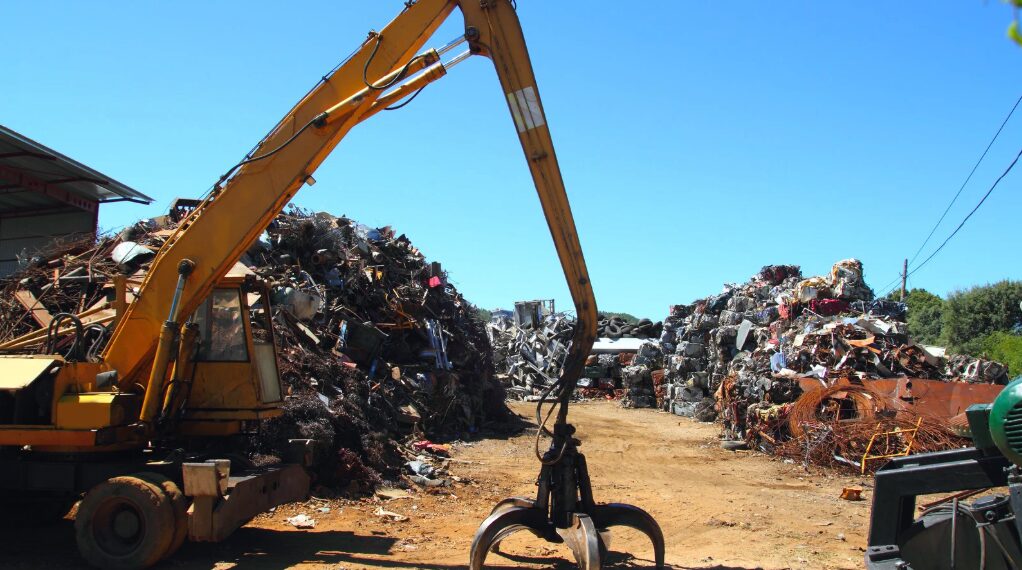
Industrial operations generate significant amounts of waste, especially in sectors that rely heavily on metal materials. Managing this waste efficiently is essential for maintaining productivity, safety, and environmental responsibility. Many industries turn to scrap metal recycling in Atlanta as a practical solution for handling excess materials while supporting sustainable practices. Integrating recycling into waste management strategies not only helps reduce environmental impact but also improves overall operational efficiency and long-term resource management.
Reducing Industrial Waste Volume
One of the primary roles of scrap metal recycling is reducing the volume of waste generated by industrial processes. Large-scale operations often produce excess metal that can quickly accumulate if not managed properly. Recycling ensures that these materials are diverted from landfills and reintroduced into the production cycle. This approach helps maintain cleaner workspaces and prevents the buildup of unnecessary waste. By minimizing waste volume, industries can operate more efficiently and maintain better control over their disposal processes.
Supporting Cost Efficiency and Resource Optimization
Scrap metal recycling contributes significantly to cost efficiency by allowing businesses to recover value from unused materials. Instead of treating scrap as waste, industries can process and reuse it as a valuable resource. Understanding how scrap metal recycling benefits businesses highlights how it helps reduce material costs and improve resource utilization. This approach ensures that industries make the most of their materials while minimizing expenses associated with raw material procurement and waste disposal.
Enhancing Environmental Sustainability Efforts
Environmental responsibility is a key consideration in modern industrial operations. Scrap metal recycling supports sustainability by reducing the need for new raw materials and lowering the energy consumption associated with production. Recycling metal requires less energy compared to producing new materials, which helps decrease overall environmental impact. This practice also reduces emissions and conserves natural resources, aligning industrial activities with broader sustainability goals. Incorporating recycling into waste management strategies demonstrates a commitment to environmentally responsible operations.
Improving Workplace Organization and Safety
Effective waste management plays an important role in maintaining a safe and organized industrial environment. Accumulated scrap metal can create hazards such as sharp edges, heavy materials, and obstructed pathways. Recycling programs help ensure that scrap is removed regularly and handled in a structured manner. This reduces clutter and minimizes the risk of accidents on site. A well-organized workspace not only improves safety but also enhances productivity by allowing workers to operate in a more efficient environment.
Supporting Compliance With Industry Regulations
Industries are often required to follow strict regulations regarding waste disposal and environmental impact. Scrap metal recycling helps businesses meet these requirements by ensuring that materials are processed in accordance with established guidelines. Proper recycling practices reduce the risk of non-compliance and potential penalties. By integrating recycling into their waste management strategies, industries can maintain adherence to regulations while demonstrating responsible handling of materials.
Strengthening Long Term Waste Management Strategies
Incorporating scrap metal recycling into industrial waste management strategies provides long-term benefits that go beyond immediate waste reduction. Recycling creates a consistent and structured approach to handling materials, allowing businesses to plan and manage waste more effectively. This stability supports ongoing operations and reduces the likelihood of disruptions caused by inefficient waste handling. Over time, a strong recycling strategy contributes to improved operational performance and sustainability.
Conclusion
Scrap metal recycling plays a vital role in shaping effective industrial waste management strategies. From reducing waste volume to supporting sustainability and improving safety, its impact is far-reaching. By integrating recycling into their operations, industries can enhance efficiency, lower costs, and maintain compliance with environmental standards. A well-structured recycling approach ensures that waste is managed responsibly while contributing to long-term operational success.
