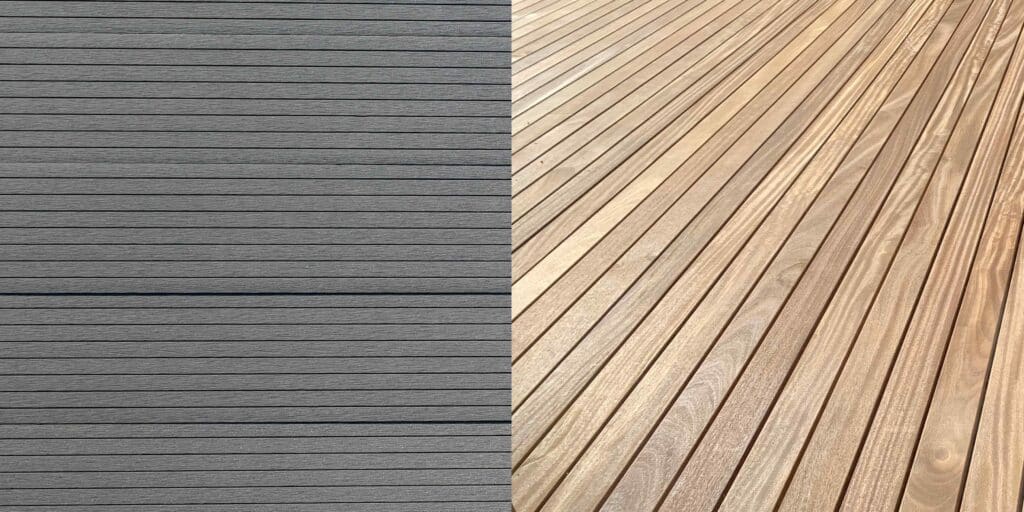
When it comes to flooring, choosing the right material can be a daunting task. With numerous options available, it’s essential to consider factors like durability, cost, aesthetics, and maintenance before making a decision. Two popular choices that often stand out are WPC (Wood Plastic Composite) flooring and traditional hardwood flooring. Both have their merits, but which one offers the best investment for your home? In this post, we’ll compare WPC Flooring Dubai and traditional hardwood to help you make an informed decision based on your needs, lifestyle, and budget.
What is WPC Flooring?
WPC flooring is a relatively recent innovation in the world of home interiors. It’s made from a combination of wood fibers and plastic, designed to mimic the appearance and feel of natural wood while offering enhanced durability. The core of WPC flooring is made from recycled wood particles and PVC, giving it superior water resistance, making it ideal for areas prone to moisture such as kitchens, bathrooms, and basements.
One of the standout features of WPC flooring is its versatility. It comes in a wide variety of styles, finishes, and colors, allowing homeowners to achieve the look of hardwood with a fraction of the maintenance. Additionally, WPC floors are highly resistant to scratches, dents, and fading, making them a popular choice for high-traffic areas.
What is Traditional Hardwood Flooring?
Traditional hardwood flooring is exactly what it sounds like: flooring made from solid wood sourced from trees like oak, maple, or walnut. This type of flooring has been a staple in homes for centuries, prized for its timeless beauty and natural appeal. Hardwood floors add warmth and elegance to any room, with unique grain patterns and color variations that make each piece distinct.
Hardwood flooring is known for its durability, but it can be prone to scratching, warping, and moisture damage over time. However, its ability to be refinished multiple times means it can maintain its beauty for decades, often increasing the resale value of a home. Traditional hardwood has a more natural, authentic look that many homeowners prefer for its aesthetic appeal.
Key Comparison: WPC Flooring vs. Traditional Hardwood
Durability and Longevity
WPC Flooring:
One of the biggest advantages of WPC flooring is its durability. Since it’s engineered with a water-resistant core, WPC is less prone to damage from spills, humidity, and moisture. It’s also resistant to dents, scratches, and fading, which makes it a great option for households with children, pets, or high foot traffic. WPC floors can last 20-30 years, depending on the quality of the material and maintenance.
Hardwood Flooring:
While hardwood is also durable, it requires more care to maintain its appearance over time. It can scratch easily, especially with pets or heavy furniture, and it’s sensitive to moisture, which can lead to warping or buckling. Hardwood floors are also vulnerable to fading when exposed to direct sunlight. However, with proper care, hardwood floors can last a lifetime, and they can be refinished multiple times to restore their original beauty.
Cost
WPC Flooring:
WPC flooring tends to be more affordable than traditional hardwood. The material itself is less expensive to produce, and the installation process is typically simpler and quicker, which reduces labor costs. The price of WPC flooring can vary depending on the style and brand, but it is generally more budget-friendly, making it a great option for those looking to get a stylish floor without breaking the bank.
Hardwood Flooring:
Hardwood flooring comes at a premium cost, both in terms of material and installation. The price depends on the wood species, with exotic hardwoods like teak or mahogany being particularly expensive. Moreover, installation costs can add up due to the need for precision and professional installation. However, the long lifespan of hardwood floors, coupled with their potential to increase the value of your home, can make them a worthwhile investment in the long run.
Maintenance
WPC Flooring:
Maintaining WPC flooring is a breeze. Thanks to its water resistance and tough surface, it doesn’t require refinishing or resealing like hardwood. Cleaning is simple—just sweep or vacuum regularly and mop with a damp cloth. The lack of seams means there’s no risk of water damage or warping, so WPC flooring is low-maintenance and hassle-free.
Hardwood Flooring:
Hardwood requires more attention to keep it in top condition. It needs to be swept or vacuumed regularly to avoid scratches and dirt buildup. Hardwood floors should also be polished occasionally and refinished every 5 to 10 years to maintain their shine. Additionally, you’ll need to be cautious about moisture, as spills should be wiped up quickly to avoid damage.
Aesthetic Appeal
WPC Flooring:
While WPC flooring can mimic the appearance of hardwood, it’s still an engineered material and may lack the same depth and warmth that natural wood provides. However, advancements in technology have made it possible to create WPC floors with realistic textures and grain patterns, offering a stylish and modern alternative to real wood.
Hardwood Flooring:
Hardwood floors are prized for their natural beauty and unique grain patterns. Each piece of wood is different, offering a timeless, authentic look that can’t be replicated by synthetic materials. The natural warmth and charm of hardwood floors create a sophisticated atmosphere in any room, making them a preferred choice for homeowners seeking a high-end, classic aesthetic.
Environmental Impact
WPC Flooring:
WPC flooring is considered more eco-friendly than traditional hardwood because it’s made from recycled materials. Additionally, it doesn’t require the felling of trees, which helps preserve forests and reduce environmental impact. However, WPC flooring is made from plastic, which can contribute to plastic waste, though many brands are working on making their products more recyclable.
Hardwood Flooring:
Hardwood can be sustainable if sourced responsibly from well-managed forests. However, deforestation and the carbon footprint associated with harvesting and transporting hardwood can have significant environmental consequences. For environmentally conscious homeowners, it’s essential to choose hardwood that is certified by organizations like the Forest Stewardship Council (FSC) to ensure it’s sourced ethically.
Which Option Offers Better Value for Money?
The decision between WPC flooring and traditional hardwood comes down to your specific needs. If you’re on a budget or need a low-maintenance option, WPC flooring is an excellent choice. It provides a similar aesthetic to hardwood, with greater durability and water resistance, making it ideal for high-traffic or moisture-prone areas.
On the other hand, if you value the timeless beauty of natural wood and are willing to invest in long-term maintenance, hardwood may be the better option. It can increase the resale value of your home and last for generations if cared for properly.
Conclusion
Both WPC flooring and traditional hardwood have their advantages and drawbacks, but the best choice ultimately depends on your lifestyle, budget, and design preferences. Whether you opt for the affordability and low-maintenance qualities of WPC Flooring Dubai or the timeless beauty and durability of hardwood, both materials can elevate the look of your home and provide lasting value.
