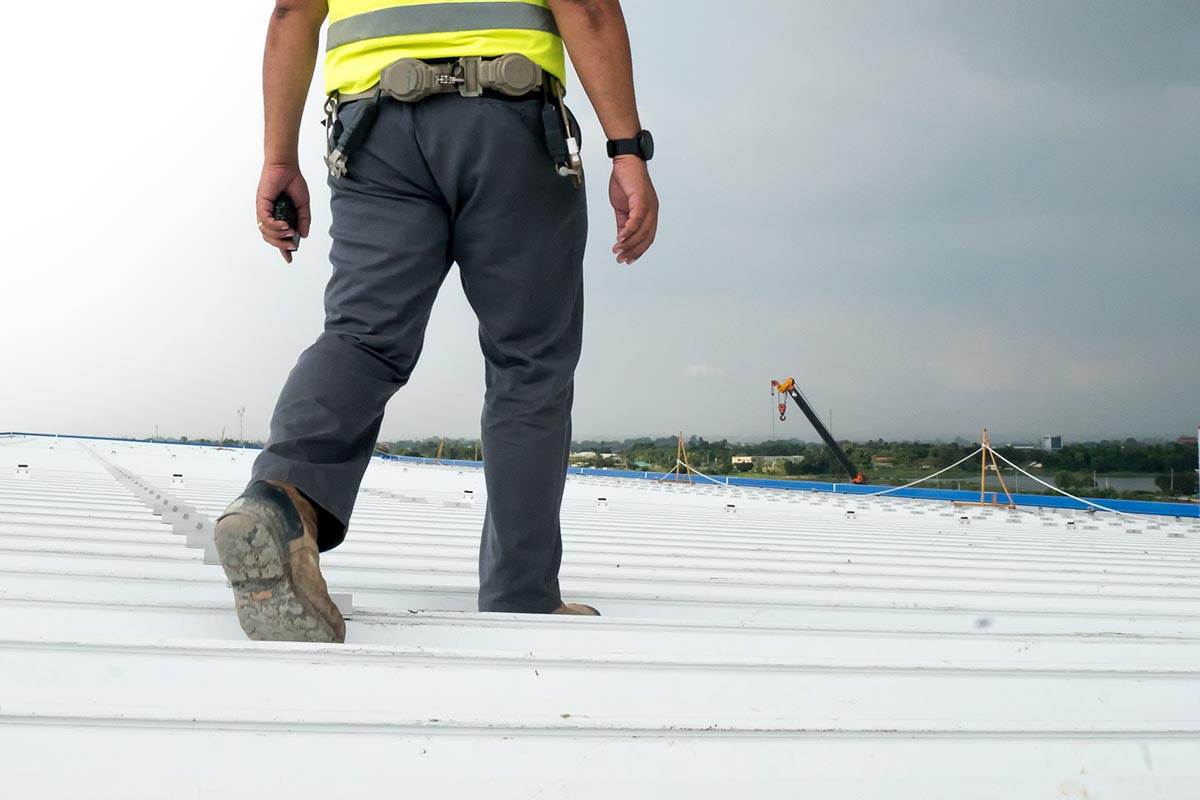
A commercial roof is one of a business owner’s most significant investments. Given the exposure to harsh weather conditions, the weight of HVAC systems, and the constant wear from foot traffic, maintaining a roof’s integrity is crucial. We will explore the importance of regular maintenance schedules for commercial roofing and why commercial roofing professionals emphasize their role in prolonging the roof’s lifespan, improving energy efficiency, and avoiding costly repairs. Regular inspections and timely interventions can protect your building and its contents from severe damage, ensuring that your commercial property remains safe, secure, and functional for years. To know more about Paragon Contracting CO LLC, contact us today.
Prolonging Roof Lifespan Through Regular Maintenance
Commercial roofs are exposed to constant wear due to weather, temperature fluctuations, and mechanical stress. Even the most robust roofing systems can degrade over time without proper care. Regular maintenance helps detect small issues before they escalate into major problems, prolonging the roof’s lifespan. Roofing experts often recommend that businesses schedule inspections at least twice a year, ideally in the spring and fall, to identify early signs of damage, such as cracks, leaks, or pooling water. When these issues are addressed promptly, the roof’s durability increases and the need for early replacement is delayed. By investing in regular maintenance, businesses ensure that their roofing system remains strong, effective, and capable of protecting the structure beneath for a longer period. This proactive approach is far more cost-effective than waiting until problems become apparent, often resulting in emergency repairs or even full roof replacements.
Identifying and Addressing Potential Issues Early
A major advantage of regular roofing maintenance is the ability to identify potential problems early. Roofing experts understand that minor issues, like small leaks or loose shingles, may not seem critical initially, but left unchecked, they can quickly escalate. Small leaks can lead to water damage inside the building, damaging ceilings, insulation, and even structural elements. Furthermore, problems like clogged gutters or debris buildup can contribute to drainage issues, leading to moisture retention and deterioration of the roofing materials. Regular inspections allow roofing professionals to identify these minor issues before they cause significant damage. For example, worn-out flashing or missing seals around vents can be replaced quickly during a maintenance check, preventing further wear or water intrusion. Addressing problems early saves on repair costs and reduces the risk of emergencies that could disrupt business operations.
Improving Energy Efficiency and Lowering Costs
A well-maintained roof can significantly impact a building’s overall energy efficiency. Regular inspections and maintenance ensure that any insulation problems or roofing issues that may compromise energy efficiency are resolved. For instance, a damaged roof may lead to heat loss during the winter or excess heat absorption during the summer, causing heating and cooling systems to work harder. This results in higher energy bills and increases the strain on HVAC systems, potentially leading to further repairs. Roofing maintenance helps improve insulation by identifying areas where energy is lost, such as gaps or damaged insulation material. Businesses can create a more energy-efficient environment by sealing these gaps and ensuring the roof is in good condition. As a result, regular roof maintenance can lead to lower utility bills and a more comfortable, consistent internal temperature throughout the year, ultimately saving businesses money in the long run.
Avoiding Costly Emergency Repairs
One of the most significant reasons for maintaining a regular roofing schedule is the cost savings associated with preventing emergency repairs. When minor issues are left unchecked, they have the potential to become costly and time-consuming repairs. For instance, a small leak might seem manageable initially but could lead to major water damage over time, affecting structural integrity, electrical systems, or equipment inside the building. Emergency repairs often come with additional costs, including expedited services, higher labor rates, and materials purchased at a premium. By scheduling regular maintenance, businesses can catch these problems early and avoid the need for expensive repairs or replacements. This also minimizes the risk of business disruption due to roof failures, ensuring operations continue smoothly and efficiently. Proactive maintenance is not only a financial decision but also a way to preserve the overall functionality of the business space.
Enhancing the Safety of Employees and Customers
The safety of those within a commercial building is another critical reason why roofing maintenance is recommended. A damaged roof can pose significant risks, especially in high-traffic areas or extreme weather events. Loose or damaged roofing materials, such as shingles or flashing, can fall and injure employees, customers, or passersby. Additionally, leaks can create slippery surfaces, contributing to slip-and-fall accidents within the building. Regular roof maintenance ensures that any safety hazards are identified and addressed promptly, reducing the risk of accidents. By maintaining the roof’s integrity and ensuring proper drainage systems are in place, businesses can create a safer environment for everyone who enters the premises. For businesses that operate in high-traffic areas or serve the public, maintaining a safe roof is a legal and ethical responsibility that helps prevent liability issues related to roof-related accidents.
Regular roofing maintenance is crucial in extending the lifespan, improving energy efficiency, and reducing costs associated with commercial roofing. By identifying potential issues early, preventing costly emergency repairs, enhancing safety, and maintaining the property’s aesthetic appeal, businesses can safeguard their investments and ensure that their buildings remain functional and secure for years to come. With the added benefit of complying with warranty requirements, scheduling routine roof inspections and maintenance provides peace of mind and long-term financial advantages. By prioritizing roof care, business owners can ensure the protection of their property, employees, and customers, ultimately contributing to the overall success of their business.
