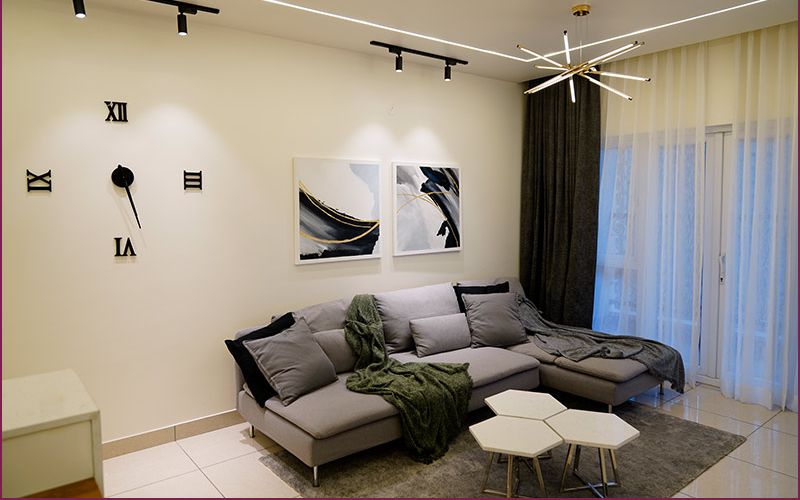
Lighting plays a pivotal role in defining the ambiance and functionality of any space. In recent years, minimalist lighting has emerged as a popular trend, blending simplicity with sophistication. This style focuses on clean lines, functional design, and an understated elegance that complements modern interiors. In this guide, we explore the essentials of minimalist lighting and how it can elevate your home or office.
Incorporating minimalist lighting into your home not only enhances the aesthetic appeal but also improves functionality. One effective way to achieve this is by focusing on under-cabinet lighting, which provides a sleek and unobtrusive solution for illuminating workspaces. For those looking to explore a variety of options, Simple Lighting offers an extensive range of under-cabinet lighting solutions that seamlessly blend with modern interiors. These fixtures are designed to provide ample light without overwhelming the space, making them an ideal choice for kitchens, offices, and other areas where subtle yet effective lighting is desired. By choosing minimalist lighting, you can transform your space into a serene and stylish environment.
What is Minimalist Lighting?
Minimalist lighting emphasizes the “less is more” philosophy. It avoids excessive ornamentation and instead highlights the purity of design and functionality. Fixtures are often sleek, unobtrusive, and crafted from high-quality materials, creating a harmonious balance between form and purpose.
Key Features of Minimalist Lighting
- Simplicity Minimalist lighting fixtures typically feature clean and straightforward designs, focusing on essential elements rather than decorative details.
- Neutral Color Palette Neutral tones like white, black, gray, and metallic finishes dominate minimalist lighting designs, ensuring versatility and timeless appeal.
- Focus on Functionality Every element of minimalist lighting serves a purpose, whether it’s task lighting, accent lighting, or ambient lighting.
- Energy Efficiency LED technology is often used in minimalist lighting for its energy efficiency and sleek design possibilities.
Types of Minimalist Lighting
1. Recessed Lighting
Recessed lights are installed flush with the ceiling, offering a streamlined and unobtrusive look. These fixtures are ideal for ambient lighting in living rooms, kitchens, and hallways.
2. Pendant Lights
Minimalist pendant lights often feature geometric shapes, smooth finishes, and simple suspension systems. They work well above dining tables, kitchen islands, or in entryways.
3. Wall Sconces
Wall-mounted sconces in a minimalist design are perfect for accent lighting. These fixtures add a touch of elegance without overwhelming the space.
4. Floor and Table Lamps
Minimalist floor and table lamps provide focused task lighting while doubling as sculptural elements. Look for designs with slim profiles and neutral finishes.
5. Track Lighting
Track lighting systems offer flexibility and functionality. They can be used to illuminate specific areas, making them ideal for art displays or workspaces.
Benefits of Minimalist Lighting
- Enhances Space Perception By reducing visual clutter, minimalist lighting makes rooms appear more spacious and organized.
- Complements Modern Interiors Its sleek and neutral aesthetic seamlessly integrates with contemporary design styles.
- Promotes Energy Efficiency Many minimalist lighting fixtures incorporate LED technology, reducing energy consumption and lowering utility bills.
- Timeless Appeal Minimalist designs are versatile and remain stylish over time, ensuring a lasting investment.
How to Incorporate Minimalist Lighting into Your Space
1. Focus on Layering
Combine ambient, task, and accent lighting to create depth and functionality. For instance, pair recessed ceiling lights with pendant lights and a floor lamp to achieve a balanced effect.
2. Choose Quality Materials
Invest in fixtures made from durable and high-quality materials like metal, glass, or wood. These not only last longer but also enhance the aesthetic of your space.
3. Opt for Dimmable Lights
Dimmable options allow you to adjust brightness levels, creating a versatile and cozy atmosphere.
4. Keep it Consistent
Maintain a cohesive look by choosing fixtures with similar finishes, shapes, or design elements.
Minimalist Lighting in Different Rooms
- Living Room: Use recessed lighting for general illumination and a statement pendant for a focal point.
- Kitchen: Combine under-cabinet LED strips with minimalist pendant lights over the island.
- Bedroom: Install wall sconces as reading lights and add a soft-glow floor lamp for ambiance.
- Bathroom: Choose sleek vanity lights or recessed fixtures for a clean, polished look.
Conclusion
Minimalist lighting is more than just a trend; it’s a design philosophy that prioritizes simplicity, functionality, and elegance. By incorporating minimalist lighting into your space, you can achieve a modern aesthetic that enhances both form and function. Explore various minimalist fixtures and create a timeless, serene environment tailored to your needs.