Energy efficiency isn’t just about saving a few bucks on your utility bills (though, that’s a nice perk!). It’s also about creating a sustainable living environment, reducing your carbon footprint, and getting the most out of your home’s resources. With energy costs on the rise and sustainability at the forefront of many households’ priorities, knowing how to maximize energy efficiency is more important than ever.
This guide will walk you through 7 practical tips to make your home more energy-efficient, with solutions ranging from simple adjustments to larger investments like installing solar panels in Salt Lake City and beyond.
1. Upgrade to Energy-Efficient Appliances
One of the quickest ways to increase energy efficiency at home is by upgrading old, energy-hungry appliances. Look for products with the Energy Star label, which guarantee lower energy consumption without compromising performance.
What to Replace First?
- Refrigerators often consume more energy than most other household appliances. Replacing an older model can save up to 40% on energy costs.
- Washers and Dryers with energy-efficient settings reduce water and electricity usage, making your laundry day greener.
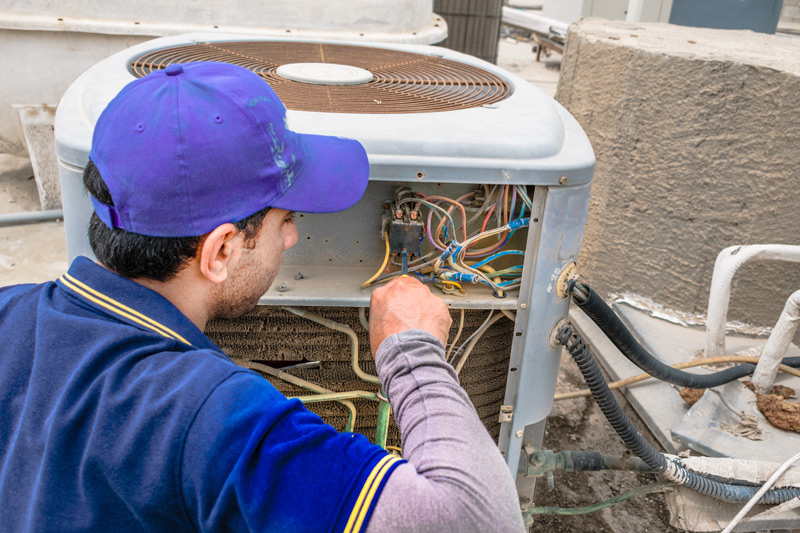
- HVAC Systems account for nearly half of your household’s energy use. New energy-efficient models can drastically lower your bills.
Bonus Tip
While replacing appliances is an investment, rebates and tax incentives are often available for upgrading to energy-efficient models, making it a worthwhile expense in the long term.
2. Insulate Your Home Properly
A well-insulated home retains heat in the winter and stays cool in the summer, reducing the strain on your HVAC system.
Key Areas to Insulate
- Attics and Roofs lose the most heat due to rising air. Proper attic insulation can lead to significant savings.
- Walls and Floors are another common culprit for energy loss. Depending on your home’s construction, consider upgrading wall and floor insulation as well.
- Doors and Windows should be sealed with weatherstripping and caulking to prevent air leaks.
Even small steps like using draft stoppers under doors can make a noticeable difference.
3. Install Solar Panels
When it comes to long-term energy savings, investing in solar panels is one of the most effective moves you can make. Homes in sunny cities like Salt Lake City can particularly benefit, as the abundant sunlight ensures maximum efficiency.
Why Solar Panels?
- Reduce dependency on non-renewable energy sources.
- Substantially lower monthly energy bills.
- Potential eligibility for state and federal tax credits.
If you’re in areas like Utah or similar climates, installing solar panels in Salt Lake City can yield year-round savings while reducing your carbon footprint.
4. Use a Programmable Thermostat
A programmable thermostat allows you to optimize your home’s temperature settings based on your schedule, helping you avoid unnecessary energy use.
How to Maximize Savings
- Set the thermostat lower during winter nights and higher during summer days when no one is home.
- Use the eco-mode setting to balance comfort and cost savings.
- Consider a smart thermostat that adjusts settings automatically based on your habits.
Studies show that using a programmable thermostat can reduce heating and cooling costs by up to 10%.
5. Switch to LED Lighting
Did you know that light-emitting diode (LED) bulbs use 75% less energy than traditional incandescent bulbs and last up to 25 times longer?
Simple Lighting Strategies
- Replace all incandescent and CFL bulbs with LED bulbs.
- Use dimmer switches to control the intensity and save even more energy.
- Install motion sensors or timers in lesser-used areas like closets and basements to ensure lights are only on when needed.
Not only do LEDs consume less energy, but they also provide better, brighter light that enhances your home’s ambiance.
6. Be Smart About Water Heating
Water heating can account for about 18% of your energy bill. Making a few changes in how you heat and use water can bring noticeable savings.
Improvement Tips
- Lower your water heater temperature to 120°F, which is sufficient for most household needs.
- Install a water heater blanket to reduce heat loss.
- Consider replacing a traditional water heater with a tankless model, which only heats water on demand.
Additionally, fixing leaks and using water-efficient fixtures can further complement these efforts by reducing wasted water.
7. Adopt Energy-Saving Habits
Finally, sometimes, the best energy-saving strategies cost nothing at all. Making small behavioral changes in your daily routine can collectively have a huge impact.
Easy Habits to Adopt
- Turn Off Appliances and Lights when not in use. Use power strips to easily cut off electricity to multiple devices at once.
- Unplug Electronics to prevent “phantom energy” use from devices left on standby.
- Air-Dry Clothes instead of using the dryer. A sunny day can save you significant energy.
- Run Full Loads Only when using the dishwasher or washing machine.
Over time, these small changes not only lower energy consumption but also reinforce an eco-conscious mindset within your household.
Make These Changes Today!
Improving energy efficiency at home benefits your wallet, your comfort, and the planet. Whether you start by sealing drafts, switching to energy-efficient appliances, or investing in solar panels in Salt Lake City, implementing these strategies will lead to cost savings and a reduced environmental impact.

