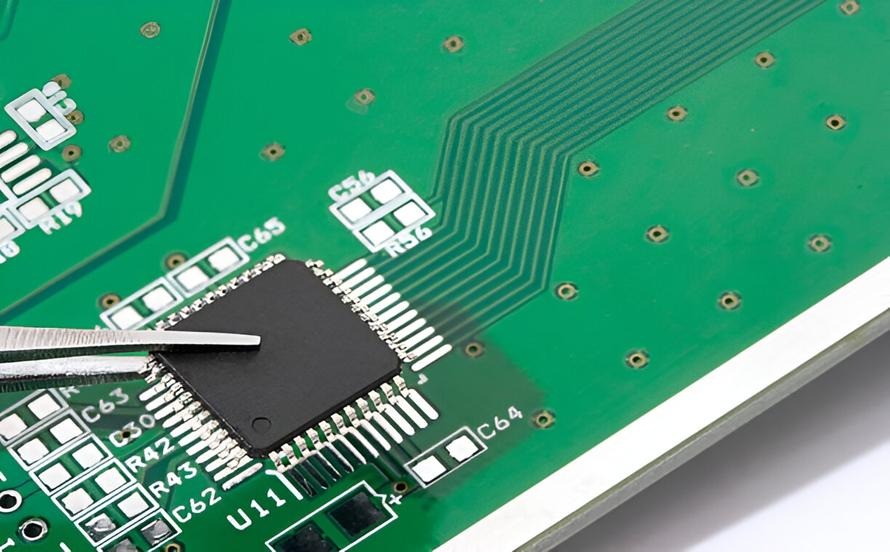
Every innovative electronic product begins with a concept, but turning that concept into a reliable, market-ready device requires careful design validation and testing. Before moving to full-scale production, engineers need to verify that the printed circuit board functions exactly as intended under real operating conditions. This is where a PCB Prototype becomes an indispensable part of the product development process.
A prototype allows designers to evaluate circuit functionality, electrical performance, component placement, thermal behavior, and manufacturability before investing in mass production. By identifying potential issues early, companies can reduce development costs, improve product reliability, and accelerate time to market.
As electronic products become more sophisticated, businesses increasingly rely on experienced PCB Prototype Manufacturers that offer advanced fabrication capabilities, rapid turnaround, and high-quality engineering support. Whether developing a simple consumer product or a complex industrial control system, selecting the right manufacturing partner plays a vital role in the success of the project.
This article explains the importance of PCB prototyping, the manufacturing process, its benefits, applications, and why working with an experienced prototype manufacturer is essential for modern electronics development.
What Is a PCB Prototype?
A PCB Prototype is the initial physical version of a printed circuit board manufactured from a completed PCB design before full-scale production begins. It serves as a functional sample that enables engineers to verify the design, test circuit performance, and identify any modifications needed before manufacturing larger quantities.
Unlike production boards, which are manufactured in high volumes, prototype PCBs are typically produced in small quantities to support design validation and engineering testing. The prototype stage allows developers to evaluate every aspect of the design, from electrical functionality and signal integrity to thermal management and mechanical fit.
By testing a physical prototype rather than relying solely on computer simulations, engineers gain valuable insights into real-world performance, helping to ensure the final product meets both technical specifications and customer expectations.
Why PCB Prototyping Is Essential
Developing modern electronic products involves numerous design challenges, including increasing component density, faster signal speeds, and more demanding reliability requirements. Even with advanced PCB design software, certain issues may only become apparent after the board has been physically assembled and tested.
A PCB prototype provides an opportunity to detect design flaws before mass production. Engineers can verify that components are correctly positioned, electrical signals are routed efficiently, and thermal performance remains within acceptable limits during operation.
Prototype testing also allows design teams to evaluate manufacturing feasibility, ensuring the board can be fabricated and assembled consistently. Identifying and resolving problems at this stage helps avoid expensive redesigns, production delays, and product failures after commercial release.
For startups and hardware developers, prototyping also provides an opportunity to demonstrate functional products to investors, customers, and certification agencies before entering full-scale manufacturing.
The PCB Prototype Manufacturing Process
The prototype manufacturing process begins once engineers finalize the PCB layout using electronic design automation software. Manufacturing files such as Gerber files, drill files, fabrication drawings, and the Bill of Materials (BOM) are submitted to the manufacturer for review.
Before fabrication starts, the manufacturer performs a Design for Manufacturability (DFM) analysis. This engineering review identifies potential production issues related to trace widths, spacing, drill sizes, solder mask clearances, copper balancing, and layer stack-up. Addressing these concerns early helps improve both manufacturability and product reliability.
Once the design has been approved, fabrication begins by imaging the copper layers onto the PCB substrate. The unwanted copper is chemically removed, leaving the required circuit patterns. Holes are then drilled and plated to establish electrical connections between different layers in multilayer boards.
Following drilling and plating, solder mask and silkscreen markings are applied before the board receives its specified surface finish, such as HASL, ENIG, OSP, or immersion silver. Each prototype then undergoes electrical testing to verify circuit continuity and ensure there are no open circuits or short circuits.
If assembly services are included, electronic components are mounted using Surface Mount Technology (SMT) or through-hole assembly processes before the completed prototype undergoes functional testing.
Types of PCB Prototypes
PCB prototypes are available in a wide variety of configurations depending on the product requirements. Single-sided prototypes remain suitable for simple electronic products with basic circuit layouts. Double-sided prototypes provide greater routing flexibility for moderately complex applications.
Multilayer PCB prototypes are commonly used in advanced electronics where additional routing space and improved signal integrity are required. High-Density Interconnect (HDI) prototypes support compact devices with fine-pitch components and high circuit density.
Flexible PCB prototypes enable lightweight, space-saving designs for wearable electronics, medical devices, and portable equipment. Rigid-flex prototypes combine rigid and flexible sections to improve mechanical reliability while reducing connector requirements.
Manufacturers also produce specialized prototypes using materials designed for high-frequency communication, thermal management, automotive electronics, aerospace applications, and harsh industrial environments.
Applications of PCB Prototypes
PCB prototypes play an important role in nearly every electronics industry. Consumer electronics manufacturers use prototypes to develop smartphones, tablets, laptops, gaming devices, wearable technology, and smart home products before commercial production.
The automotive industry relies on prototype boards during the development of electric vehicle battery management systems, advanced driver assistance systems, infotainment platforms, lighting controllers, and engine management electronics. These prototypes undergo extensive testing to ensure long-term reliability under demanding operating conditions.
Medical device manufacturers utilize PCB prototypes for diagnostic equipment, patient monitoring systems, portable healthcare devices, imaging equipment, and laboratory instruments where performance and safety are essential.
Industrial automation systems, robotics, aerospace electronics, telecommunications infrastructure, renewable energy equipment, defense systems, and Internet of Things (IoT) devices all depend on PCB prototyping to validate complex electronic designs before entering production.
Why Choosing Experienced PCB Prototype Manufacturers Matters
The quality of a prototype directly influences the success of product development. Working with experienced PCB Prototype Manufacturers ensures that every stage of fabrication follows strict engineering and quality standards.
Professional manufacturers possess advanced fabrication equipment capable of producing fine traces, controlled impedance circuits, blind and buried vias, HDI structures, flexible circuits, and high-layer-count boards. Their expertise allows them to manufacture prototypes that accurately represent the final production design.
Experienced manufacturers also provide engineering support during the prototype stage. Through Design for Manufacturability and Design for Assembly reviews, they help customers identify opportunities to improve product reliability while reducing future production costs.
Rapid manufacturing capability is another important advantage. Fast prototype production enables engineering teams to complete multiple design revisions quickly, shortening development cycles and accelerating product launches.
Quality Assurance in PCB Prototype Manufacturing
Quality control is essential throughout prototype manufacturing because inaccurate prototypes can produce misleading test results and delay product development. Every manufacturing stage requires careful inspection to ensure the finished board matches the original design specifications.
Material quality, copper thickness, drilling accuracy, plating consistency, solder mask registration, and surface finish all influence prototype reliability. Manufacturers monitor these parameters throughout fabrication to maintain consistent production quality.
Automated Optical Inspection (AOI) detects manufacturing defects such as missing traces, shorts, or dimensional inaccuracies. Flying probe testing and electrical continuity testing verify circuit functionality before shipment.
For advanced prototypes containing high-density interconnections or hidden vias, X-ray inspection confirms the integrity of internal structures. Many manufacturers also perform impedance testing and thermal reliability testing depending on customer requirements.
Compliance with international standards such as ISO 9001, IPC specifications, UL certification, and RoHS directives further demonstrates a manufacturer’s commitment to quality and manufacturing consistency.
Future Trends in PCB Prototyping
The future of PCB prototyping is being shaped by rapid advances in electronics technology. Artificial intelligence, electric vehicles, autonomous systems, wearable healthcare devices, 5G communication, and smart manufacturing all require increasingly sophisticated circuit board designs.
Prototype manufacturers are investing in laser direct imaging, advanced automation, artificial intelligence-assisted inspection, digital manufacturing systems, and high-precision fabrication equipment to improve production speed and accuracy.
Faster prototype turnaround will continue to play a major role in reducing product development timelines, allowing companies to move from design to functional testing within just a few days. Improvements in materials and manufacturing technologies will also support increasingly complex electronic products while maintaining exceptional reliability.
Conclusion
A PCB Prototype is one of the most valuable tools in electronic product development because it enables engineers to validate designs, improve performance, and eliminate manufacturing risks before large-scale production begins. Thorough prototype testing helps reduce development costs, improve product quality, and accelerate time to market.
Partnering with experienced PCB Prototype Manufacturers ensures access to advanced fabrication technology, engineering expertise, comprehensive quality control, and rapid manufacturing capabilities. By choosing a reliable prototype manufacturer, businesses can confidently transform innovative circuit board designs into dependable, production-ready electronic products that meet the demanding requirements of today’s global electronics industry.