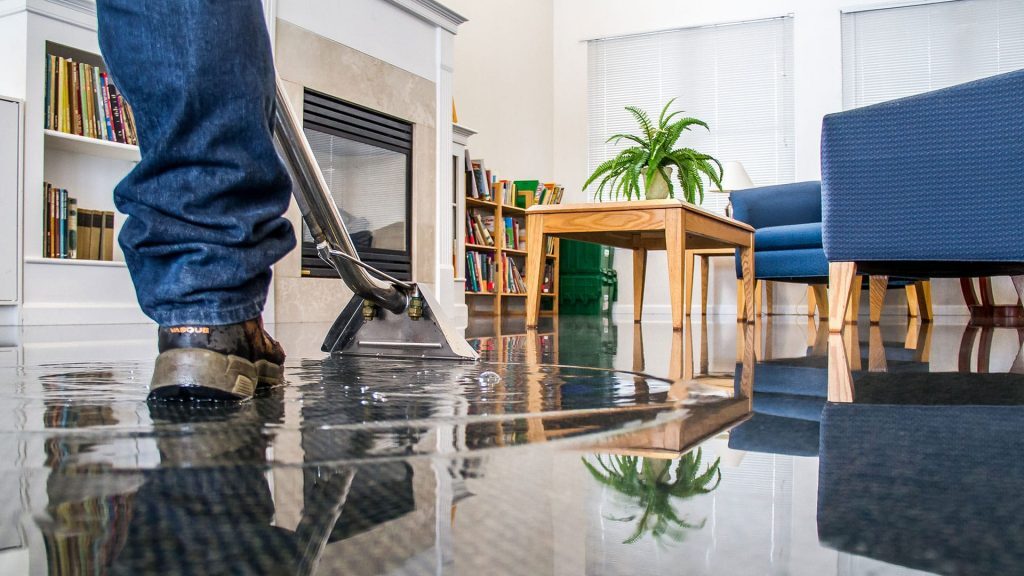
Water damage can wreak havoc on homes and businesses, causing structural issues, mold growth, and significant financial loss if not addressed promptly. Water damage restoration services are crucial in mitigating these risks, restoring properties to their original state, and preventing future damage.
In this article, we explore everything you need to know about water damage restoration services, including common causes, restoration processes, and tips for hiring the right professionals.
Water damage restoration is the process of cleaning, drying, repairing, and restoring a property after water intrusion. This specialized service focuses on removing water, addressing its effects, and preventing secondary issues like mold growth.
Common Causes of Water Damage
1. Plumbing Failures
- Burst or leaking pipes
- Malfunctioning water heaters
- Overflowing sinks or toilets
2. Natural Disasters
- Floods caused by heavy rains
- Hurricanes or tropical storms
- Rising water levels in rivers or lakes
3. Appliance Malfunctions
- Broken dishwashers or washing machines
- Faulty refrigerators or ice makers
4. Roof and Structural Issues
- Damaged shingles or gutters
- Cracks in the foundation or walls
5. Sewer Backups
- Blocked or overloaded sewage systems
Steps in the Water Damage Restoration Process
Water damage restoration involves a systematic approach to ensure thorough cleanup and repair.
1. Emergency Contact and Assessment
- Professional restoration companies provide 24/7 emergency services.
- A quick assessment identifies the extent of damage and necessary actions.
2. Water Removal
- Industrial-grade pumps and vacuums are used to extract standing water.
- Quick removal minimizes damage and prevents mold growth.
3. Drying and Dehumidification
- Air movers and dehumidifiers are employed to dry affected areas.
- Moisture levels are monitored to ensure thorough drying.
4. Cleaning and Sanitization
- Damaged belongings are cleaned and restored where possible.
- Antimicrobial treatments prevent mold and bacteria growth.
5. Repairs and Restoration
- Repairs include fixing drywall, flooring, and structural elements.
- Full restoration may involve repainting or replacing materials.
Types of Water Damage
1. Category 1: Clean Water
- Comes from clean sources like broken pipes or rainwater.
- Typically easier to clean and restore.
2. Category 2: Grey Water
- Contains contaminants, such as from washing machines or dishwashers.
- Requires additional cleaning and sanitization.
3. Category 3: Black Water
- Highly contaminated, such as sewage or floodwater.
- Poses health risks and requires extensive cleaning.
Benefits of Hiring Water Damage Restoration Services
1. Quick Response Time
Professionals are trained to act swiftly, minimizing damage and costs.
2. Advanced Equipment and Techniques
Restoration companies use specialized tools like moisture meters, thermal imaging cameras, and industrial dryers.
3. Preventing Mold Growth
Mold can develop within 24-48 hours of water exposure. Restoration experts ensure affected areas are thoroughly dried and treated.
4. Comprehensive Services
From water removal to structural repairs, professionals handle every step of the restoration process.
5. Insurance Assistance
Experienced companies help navigate insurance claims, documenting damage and repairs to streamline the process.
How to Choose the Right Water Damage Restoration Company
Finding a reliable restoration company is essential for quality service and peace of mind.
1. Licensing and Certification
- Ensure the company is licensed and insured.
- Look for certifications like the Institute of Inspection, Cleaning, and Restoration Certification (IICRC).
2. Experience and Reputation
- Check the company’s track record and client reviews.
- Ask for references or case studies.
3. Emergency Services
- Select a company that offers 24/7 emergency response.
4. Transparent Pricing
- Request a detailed quote upfront.
- Avoid companies with unclear or hidden fees.
5. Advanced Equipment
- Verify that the company uses modern tools and techniques.
Costs of Water Damage Restoration
The cost of water damage restoration depends on factors like the extent of damage, the type of water involved, and the size of the property.
Average Costs
- Clean Water Damage: $3.75 per square foot
- Grey Water Damage: $4.50 per square foot
- Black Water Damage: $7.00 per square foot
Additional costs may arise for mold remediation, structural repairs, and specialty services.
Preventing Water Damage
1. Regular Maintenance
- Inspect plumbing, appliances, and roofing regularly.
- Clean gutters and downspouts to prevent blockages.
2. Install Water Alarms
- Water alarms alert you to leaks or flooding in vulnerable areas.
3. Seal Cracks and Leaks
- Address foundation cracks and window leaks promptly.
4. Proper Landscaping
- Ensure your property’s grading directs water away from the foundation.
5. Sump Pump Installation
- A sump pump can prevent basement flooding during heavy rains.
DIY vs. Professional Restoration
While small water spills can be managed independently, professional help is recommended for significant water damage.
DIY Limitations
- Lack of specialized equipment
- Difficulty in identifying hidden moisture
- Risk of inadequate sanitization
Professional Benefits
- Expertise in comprehensive damage assessment
- Access to industrial tools for efficient restoration
- Long-term solutions to prevent recurring damage
Why Timely Action Matters
Delaying water damage restoration can lead to:
- Structural Issues: Weakening of walls, floors, and ceilings.
- Mold Growth: Health hazards and costly remediation.
- Electrical Hazards: Increased risk of short circuits or fires.
- Decreased Property Value: Damage that impacts resale value.
Conclusion
Water damage can be a stressful and overwhelming experience, but professional restoration services offer a lifeline to property owners. By acting quickly, hiring experienced professionals, and taking preventive measures, you can mitigate damage and restore your home or business effectively.
When choosing a water damage restoration company, prioritize expertise, certifications, and a proven track record. Remember, the cost of restoration is an investment in the safety and longevity of your property.
