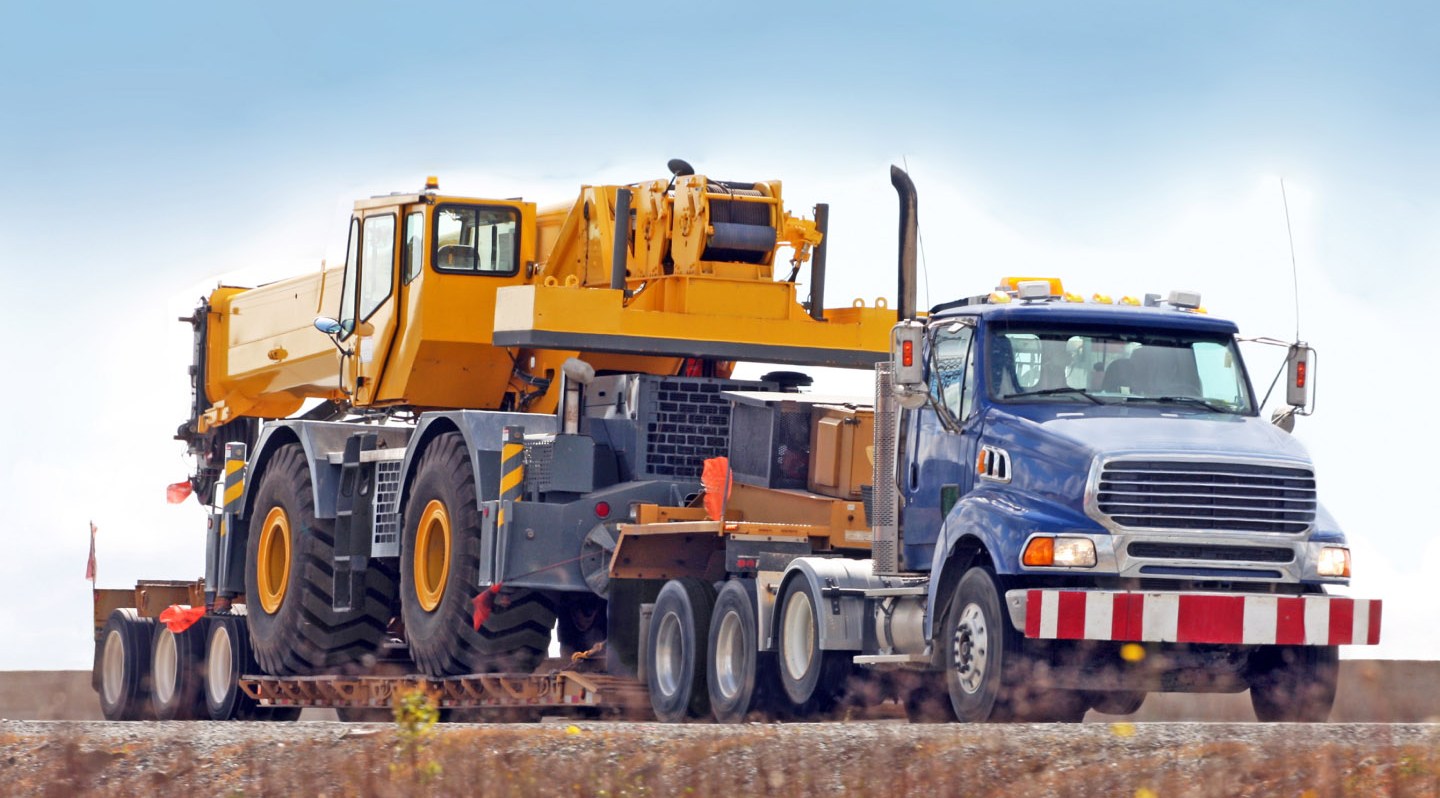
Transporting heavy-duty loads is no small feat. Whether in construction, manufacturing, or specialized industries, handling oversized or overweight cargo requires expertise, precision, and the right equipment. Mistakes in this area can lead to accidents, delays, or costly damages.
If you’re an owner-operator, dispatcher, transport professional, or construction worker, understanding how to manage heavy loads effectively is crucial. This guide will break down the key aspects of heavy-duty load transport to help ensure your operations run smoothly
What is Heavy-Duty Load Transport?
Heavy-duty load transport involves moving oversized or heavyweight cargo that standard vehicles are not equipped to handle. This could include construction materials, industrial equipment, or even entire structures. Due to their size or weight, these loads often require specialized equipment and planning.
Examples of heavy-duty loads include:
- Industrial machinery like turbines or presses.
- Construction materials such as beams, columns, and pipelines.
- Agricultural machinery, cranes, or mining equipment.
The challenge lies in not just getting these loads from point A to point B but doing so efficiently while adhering to safety regulations.
Selecting the Right Equipment
The foundation of successful heavy-duty load transport is having the right equipment. Investing in or renting the proper gear can make a significant difference in your operations.
Trailers and Trucks
Flatbed trailers, lowboys, and extendable trailers are essential for transporting various types of heavyweight cargo. While lowboys are ideal for taller loads, flatbeds work well for longer and wider pieces. Consider the dimensions, weight, and fragility of the cargo when choosing your setup.
Securing Cargo
Cargo must be firmly secured to prevent any movement during transport. This might include tie-downs, chains, or straps. For cylindrical loads like pipes or large shafts, a lathe steady rest can be essential, providing additional support and preventing cargo from shifting during movement.
Specialized Equipment
For unique loads, such as turbines or machine parts, specialized equipment may be necessary. Hydraulic jacks, lifting equipment, or even custom transport solutions can ensure loads remain intact.
The right equipment not only helps protect your cargo but also ensures safety for your team and other road users.
Planning and Permitting
Heavy-duty transport requires meticulous planning due to the complexities involved. Here’s what you need to consider:
Route Planning
You cannot just take the standard route when carrying oversized loads. Ensure your route can accommodate your cargo by:
- Checking road weight limits.
- Ensuring bridges or tunnels can handle the load dimensions.
- Avoiding narrow roads or areas with sharp turns.
Traffic conditions, detours, and weather forecasts should also be factored into your planning.
Regulatory Compliance
Different states and countries have varying regulations for transporting oversized loads. Common requirements include permits for oversized or overweight cargos, pilot vehicles, signage indicating “Wide Load,” and proper lighting to ensure visibility.
Failure to secure permits or comply with regulations can result in fines, delays, or even legal consequences.
Scheduling
Heavy-duty loads often face restrictions on when they can be transported due to traffic laws or public safety measures. Early morning or late-night slots are typically favorable. Plan your schedule to align with local rules and minimize disruptions.
Ensuring Safety During Transport
Safety is a top priority during heavy-duty load transport. Implementing safety measures reduces risk and protects both personnel and equipment.
Load Balancing
Uneven load distribution can lead to accidents. Always center the load and distribute the weight as evenly as possible to prevent tipping.
Team Training
Ensure your team is trained in proper loading techniques, emergency procedures, and handling specialized equipment. A well-prepared crew is your best defense against accidents.
Regular Equipment Maintenance
Inspect trucks, trailers, and securing mechanisms regularly to ensure they are in good condition. Pay attention to wear and tear on components like straps, brakes, and tires.
Communication Systems
Equip your team with reliable communication tools, such as radios or GPS tracking, to stay connected throughout the transport.
Emergency Protocols
Always have a clear emergency plan in place. Know what to do in case of road breakdowns, weather disruptions, or cargo issues. A quick response can prevent minor problems from escalating.
Benefits of Expertly Managed Heavy-Duty Load Transport
Proper handling of heavy-duty load transport benefits your operation in several ways:
- Cost-efficiency: Smooth operations minimize delays and prevent costly damages or repairs.
- Compliance and Safety: Meeting regulations protects your company from fines and liability.
- Client Satisfaction: On-time delivery of safely transported goods builds trust and reputation.
- Operational Longevity: Reducing stress on equipment and staff prolongs the life of your resources.
Investing in quality equipment like a lathe steady rest and following best practices can ensure your transport operation stays ahead of the game.
Heavy-Duty Load Transport Done Right
Heavy-duty load transport is a complex yet essential part of many industries. By selecting the right equipment, planning thoroughly, adhering to safety measures, and ensuring compliance, you can deliver oversized goods efficiently and with minimal risk.
Mastering these basics requires time and effort, but the benefits far outweigh the challenges. When businesses invest in proper tools, training, and planning, they set themselves up for lasting success in one of the most demanding aspects of logistics.

