Struggling to fall asleep at night? You’re not alone. Many people are searching for tips on how to sleep better, especially after long, busy days filled with screens, deadlines, and stress.
But the secret might be simpler than you think—it starts with your evening routine.
A calming bedtime routine can help your body and brain slow down, making it easier to relax, let go of worries, and drift off peacefully. Here’s how to build one that works for you.
🕒 Start Winding Down an Hour Before Bed
Your body needs a signal that it’s time to relax. Set a daily “wind-down” time—about an hour before bed. During this time, avoid anything too stimulating, like work emails or intense TV shows.
Instead, try:
- Dimming the lights
- Turning off bright screens (TV, phone, computer)
- Playing soft music or white noise
- Doing a quiet activity like reading or journaling
This tells your brain it’s time to shift from “go” to “rest.”
🛁 Try a Warm Shower or Bath
A warm shower or bath about 60 to 90 minutes before bed helps lower your core body temperature, which can signal to your body that it’s time to sleep. It also feels good after a stressful day. You don’t need a fancy spa setup—just a few calm minutes under warm water can help.
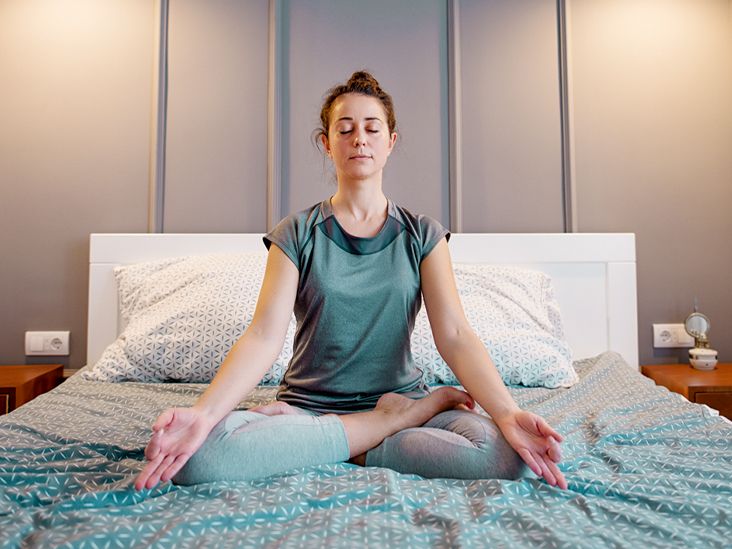
🧘♀️ Add Simple Relaxation Practices
Relaxation doesn’t have to be complicated. You can try:
- Deep breathing (inhale for 4 seconds, hold for 4, exhale for 6)
- Gentle stretching or yoga
- A short guided meditation (apps like Headspace or Calm can help)
These simple tools help lower stress hormones like cortisol and slow down racing thoughts.
☕ Watch What You Eat and Drink
Evening habits matter—especially what goes into your body.
Avoid:
- Caffeine after 2 p.m.
- Heavy, greasy meals late at night
- Too much sugar or spicy foods
Instead, try:
- Herbal teas like chamomile or lemon balm
- Light snacks like a banana, a few almonds, or warm milk
- Staying hydrated, but not overdoing it right before bed
📵 Create a No-Screen Zone
Blue light from phones and tablets can trick your brain into thinking it’s still daytime. Try setting a rule to put devices away at least 30–60 minutes before bed.
If that feels hard, switch your phone to “night mode” and avoid scrolling on apps that stimulate your brain. Use that time for a calming activity—like reading a real book, writing in a journal, or listening to soft music.
🛏️ Make Your Bedroom a Sleep Sanctuary
Your environment affects your sleep more than you think. A cozy, quiet bedroom can make all the difference.
Tips:
- Keep your room cool (around 65–68°F or 18–20°C)
- Use blackout curtains or a sleep mask
- Remove clutter and distractions
- Invest in a comfortable mattress and pillow
🌙 Build Your Routine Step by Step
Don’t try to overhaul your entire evening in one night. Pick one or two habits to start with. Once those feel natural, add more.
The goal is to create a soothing pattern that your body begins to recognize as a signal to relax and let go.
Consistency is key. When your body learns what to expect, it becomes easier to fall asleep and wake up feeling refreshed.