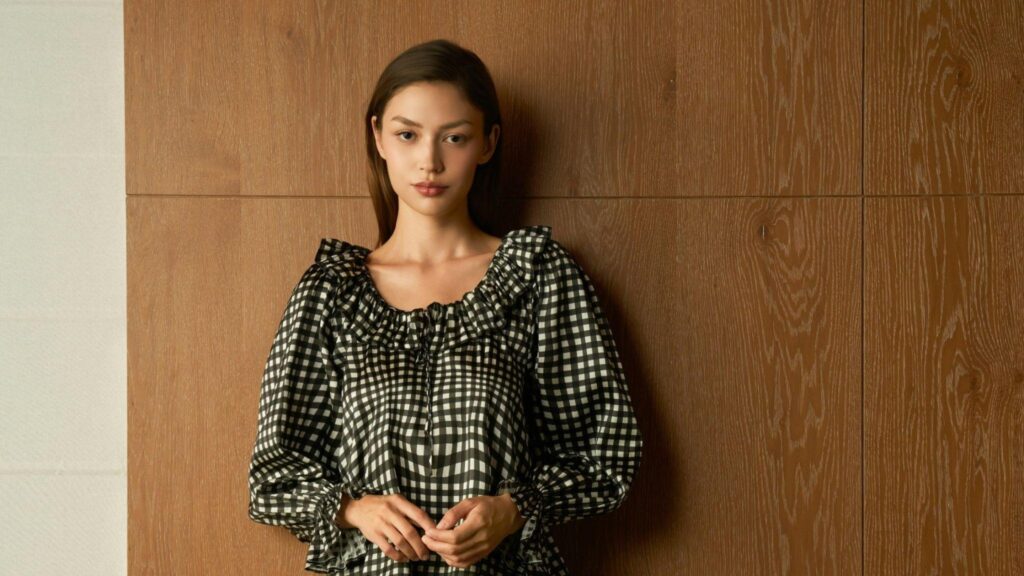
We regularly justify spending thousands of dollars on mattresses. We research foam densities, coil counts, and ergonomic pillows. Yet, when it is time to actually get into that expensive bed, a massive number of people grab the oldest, most worn-out promotional t-shirt in their drawer.
This habit makes very little sense when you look at how human sleep actually works. The fabric sitting directly against your skin creates a microclimate—a small pocket of air between your body and your blankets. If that microclimate is poorly managed, your body has to work overtime to regulate its temperature. You end up tossing, turning, and waking up tired, regardless of how comfortable the mattress underneath you is. Getting better rest means picking clothing that actively helps your body cool down and move freely.
Why Most Sleepwear Disrupts Your Sleep
To sleep deeply, your core body temperature must drop. If your clothing traps heat, your brain assumes you are still active, and you will struggle to reach the restorative stages of sleep. If you get too hot, your body sweats to cool you down. This is where standard fabrics fail miserably.
Polyester and heavy synthetic fleece act exactly like plastic bags. They trap ambient heat and completely block airflow. When you sweat, the moisture has nowhere to go. It sits against your skin, causing you to overheat and wake up clammy. Standard cotton is slightly better because it breathes, but it acts like a sponge. It absorbs your sweat but holds onto it. You fall asleep hot, sweat into the cotton, and two hours later you wake up shivering because you are wearing a damp shirt.
The goal is to find materials that pull moisture away from the skin and let it evaporate quickly into the air, keeping you dry and your temperature stable.
Best Pajamas for Women: Handling Nighttime Temperature Swings
For women, the biggest hurdle in finding comfortable sleepwear is often temperature inconsistency. Hormonal shifts can cause sudden, intense heat spikes in the middle of the night. A thick flannel set might feel incredibly cozy at ten o’clock in the evening, but it becomes completely unbearable by two in the morning.
When shopping for women’s pajama sets, the primary focus should be on dynamic, breathable fabrics that respond well to these sudden swings. Natural protein fibers, lightweight bamboo, or modal are highly effective. They pull excess moisture off the skin rapidly and dry incredibly fast, preventing the “chill” effect that happens after a night sweat.
Physical fit is just as important as the fabric. Many designs prioritize looking good over sleeping well, using narrow elastic bands, tight lace trims, or restrictive cuts around the shoulders. In a sleeping position, your stomach naturally expands. Sizing up and looking for wide, flat waistbands ensures your abdomen isn’t compressed, allowing for deep, diaphragmatic breathing while you rest.
Refining Men’s Sleepwear: Dropping the Heat and Bulk
Men typically have higher resting metabolic rates, which means they generate significantly more body heat at night. Despite this, the go-to sleepwear for most guys consists of heavy cotton pants or old gym shorts.
Athletic shorts are a terrible choice for bed. They are designed to stay up while running, which means they feature thick, heavily gathered elastic waistbands embedded with bulky drawstrings. When you lay on your side or stomach, that thick knot of fabric and elastic presses directly into your hips. Furthermore, heavy cotton pants tend to grip the bedsheets. Every time you roll over, the friction causes the pants to twist and bind around your legs.
Shedding that bulk makes an immediate difference. Transitioning to lightweight men’s silk pajamas or a high-quality, thin modal set solves the friction problem completely. These materials lay flat, eliminate the bulky athletic waistbands, and slide smoothly against the bedsheets so they never twist around your knees. Most importantly, they do not add unnecessary insulation under your duvet.
Matching Fabric to Your Environment
Not all breathable fabrics behave the same way. You should match the material of your sleepwear to the ambient temperature of your bedroom and how much you naturally sweat.
| Fabric Type | Heat Retention | Moisture Management | Best Use Case |
| Polyester / Fleece | Very High | Poor (Traps sweat on the skin) | Very cold rooms with minimal blankets. |
| Standard Cotton | Medium | Poor (Absorbs moisture but stays wet) | Mild climates for people who rarely sweat at night. |
| Linen | Low | Good (Absorbs and dries relatively quickly) | Hot, humid summer nights where airflow is needed. |
| Silk | Low to Medium | Excellent (Wicks moisture rapidly) | Year-round temperature regulation and sensitive skin. |
Pajama Design Details That Can Ruin Your Sleep
Even if you pick the perfect, moisture-wicking fabric, poor tailoring will ruin your night. Before you buy a new set of sleepwear, check the garment for these specific construction red flags:
- Thick Side Seams: Run a finger down the inside of the shirt and pants. Bulky, raised seams or scratchy nylon stitching will irritate your ribs and hips if you sleep on your side. Look for flat-felled seams that sit flush against the fabric.
- Hard Buttons: Heavy plastic or metal buttons are a nightmare for stomach sleepers. They dig directly into the chest. Look for flat, soft buttons or stick to simple V-neck pullovers to avoid hardware altogether.
- Tight Ankle Cuffs: Jogger-style cuffs might look tailored, but they restrict the fabric from moving. When you bend your leg, the pants will lock around your calves. Open, wide hems are always better because they allow the fabric to slide freely.
- Narrow Waistbands: The elastic waistband should be at least an inch and a half wide. A wider band distributes pressure evenly across the waist, so it lays completely flat against the skin without digging in.
Stop treating sleepwear as a leftover category for clothes that are too worn out to wear in public. The clothing you wear to bed is a functional tool. By picking breathable fabrics, avoiding heavy waistbands, and checking the seams for friction points, you remove the physical distractions that keep you awake. It is a simple, practical upgrade that pays off the very first night.