At DokuDocs, we believe creating a will or trust is only half the job — the other half is making sure those documents are found and delivered when your family needs them most. Our encrypted estate document vault automatically notifies your designated recipients when access is needed, so the planning you did today actually works when it matters. Learn how DokuDocs works at dokudocs.com.
Most people searching for affordable wills and trusts are really asking one of two questions: How little can I spend and still be properly protected? Or: Am I overpaying my attorney? The honest answer to both is — it depends on what you need.
An online will can cost under $100. A revocable living trust prepared by an attorney can run $1,500 to $3,000 or more. Neither price tag alone tells you whether you got a good deal. What matters is whether the document is legally sound, appropriate for your situation, and whether anyone will actually be able to find it when you’re gone.
What’s the Difference Between a Will and a Trust?
Both documents direct where your assets go after you die. The differences show up in cost, speed, and privacy.
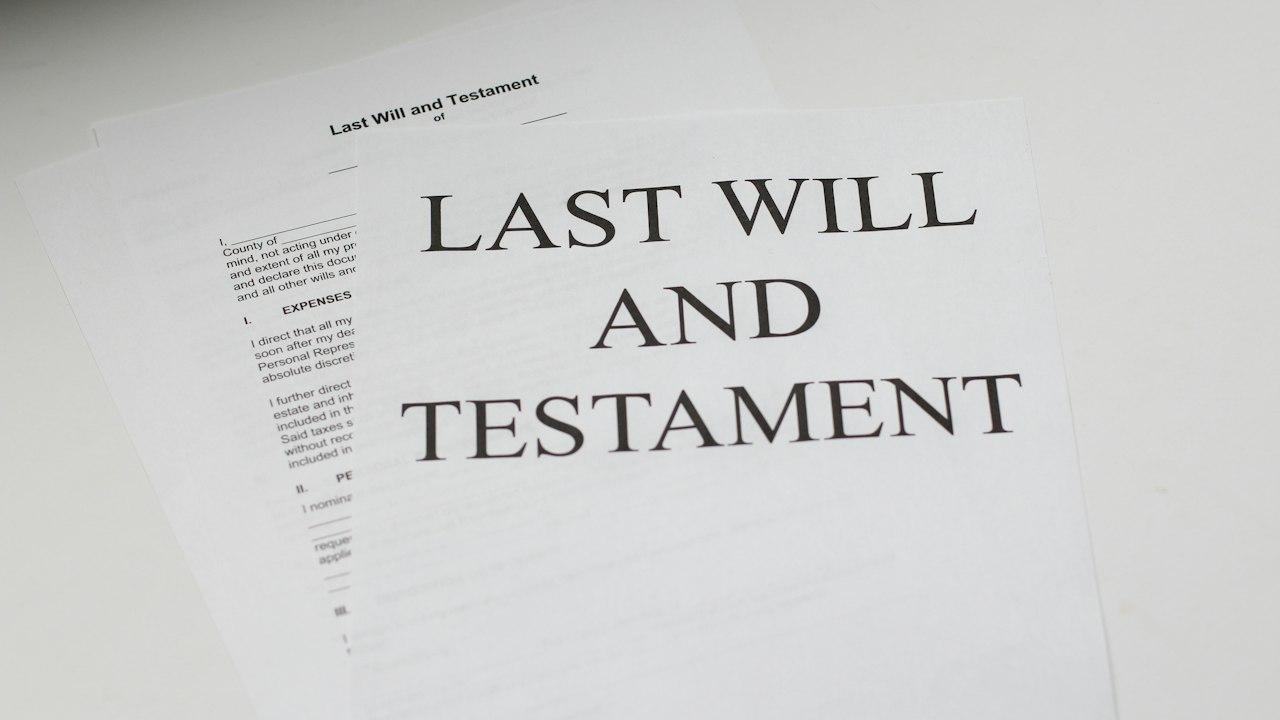
A last will and testament names your beneficiaries, your executor, and — if you have minor children — a guardian. It goes into effect only at death and must pass through probate, a court-supervised process that validates the document and oversees the distribution of assets. Probate is public record, can take months or longer, and comes with fees.
A revocable living trust is a legal entity you create during your lifetime. You transfer assets into it, name a successor trustee, and direct how they are managed or distributed — including if you become incapacitated before you die. Because the trust owns the assets, they pass outside of probate: faster, privately, and with fewer court costs. A trust does not replace a will entirely; most estate attorneys recommend a “pour-over will” alongside it to catch any assets not transferred into the trust.
The core trade-off: a trust avoids probate, a will does not. If your goal is to pass assets quickly and privately — particularly real property — a trust is usually worth the higher upfront cost.
What Do Wills and Trusts Actually Cost in 2026?
Costs vary significantly by how you get the documents prepared.
Online platforms like Trust & Will and LegalZoom are the most affordable entry point. A standalone online will typically runs $39 to $199. An online trust bundle — which usually includes the trust document, a pour-over will, healthcare directive, and power of attorney — typically runs $399 to $599. These platforms generate state-specific documents from a questionnaire and work well for straightforward situations.
An attorney-drafted will generally costs $300 to $1,000. An attorney-drafted trust runs $1,500 to $3,000 or more, depending on complexity. For blended families, business interests, out-of-state property, or children with special needs, the attorney route is worth the premium.
Legal aid organizations serve qualifying individuals at little or no cost, typically free to $50 for basic documents.
The gap between a $99 online will and a $2,000 attorney trust can feel enormous. But the relevant comparison is what probate would cost your estate if no trust exists. In Florida, probate attorney fees are set by statute at 3% of the first $1 million in estate value. On a $400,000 home, that’s $12,000 before you count court costs and time delays. For many homeowners, a revocable living trust easily pays for itself.
What Makes an Affordable Plan Actually Effective?
Price matters a lot less than execution. Five things determine whether a low-cost estate plan does its job:
It’s signed correctly. A will must be signed in front of the right number of witnesses — usually two — and in many states, notarized. An online document that isn’t properly signed is not a legal will, regardless of how much you paid for it.
The trust is funded. An unfunded trust is a trust that does nothing. Online platforms generate the trust document, but cannot transfer your house, bank accounts, or retirement beneficiary designations into it. That work is on you, and many people skip it.
Beneficiary designations are aligned. Life insurance, 401(k)s, and IRAs pass by beneficiary designation — completely outside the will and trust. If your designation still names an ex-spouse or a deceased parent, your estate plan is irrelevant for those assets.
The documents are stored where someone can find them. The best will in the world does nothing if it’s in a drawer no one knows about, or in a safe deposit box your family can’t open without a court order.
It reflects your current life. A will written before a divorce, a new child, or a major asset purchase may direct assets to the wrong people. Estate plans need review every three to five years, or after any major life event.
Affordable Wills and Trusts Sunrise
The Document Problem Nobody Talks About
Estate planning discussions spend enormous time on document creation and almost none on document delivery. Yet families lose or can’t locate wills and trusts constantly. Common failure points include documents stored in a home safe with a forgotten combination, files held by an attorney the family doesn’t know to contact, digital copies locked behind credentials no one has, and safe deposit boxes that require a court proceeding to open.
This is exactly the problem DokuDocs was built to solve. When you store your will, trust, and emergency documents in the DokuDocs encrypted vault, you designate who should receive them. DokuDocs monitors public records monthly and, when a status change is detected, automatically notifies your designated recipients by email, mail, and phone. The documents you worked to create actually arrive in the right hands at the right time. Plans start at $9.95 per year.
A Note on Florida
Florida has strong homestead protections but a statute-driven probate process that can be slow and costly for estates that don’t plan around it. The state imposes no estate or inheritance tax. Probate fees, however, are set by statute — 3% of the first $1 million in estate value — making a revocable trust or a Lady Bird Deed (an enhanced life estate deed that passes real property outside probate at much lower cost) worth serious consideration for any Florida homeowner.
Getting Started
You don’t need to spend thousands to have a legally sound estate plan. Start by inventorying what you own and how it’s titled. That alone will tell you whether a simple will, a trust, or beneficiary designation updates will accomplish your goals. If your situation is straightforward, a reputable online platform can get documents in place quickly. If it’s not, budget for an attorney — the cost of getting it wrong is higher. Either way, make sure someone will be able to find what you created.