Weight gain is a common health concern that extends beyond appearances. While gaining weight can occasionally be a part of natural body changes, sustained or excessive weight gain often leads to serious health risks. Left unchecked, it can increase the likelihood of developing chronic illnesses, affecting overall well-being and quality of life. Understanding the connection between weight gain and chronic disease is critical for promoting healthier lifestyles and preventing long-term issues.
The Link Between Weight Gain and Chronic Illness
Excess weight, particularly increased body fat, can disrupt metabolic processes. This disruption contributes to widespread inflammation, hormonal imbalances, and strain on vital organs. Over time, these effects increase the risk of developing various chronic conditions. Below, we examine the most common health issues associated with weight gain.
1. Obesity and Type 2 Diabetes
One of the strongest links between weight gain and chronic illness lies in the development of type 2 diabetes. Persistent weight gain, especially around the abdominal area, increases insulin resistance, a condition where the body’s cells lose sensitivity to insulin. This forces the pancreas to produce more insulin to maintain normal blood sugar levels, eventually overworking the gland and causing blood sugar levels to rise.
Uncontrolled diabetes can lead to severe complications, including nerve damage, kidney disease, and vision problems. On a broader level, the management of type 2 diabetes often places a heavy burden on healthcare systems and individuals alike.
2. Cardiovascular Diseases
Weight gain is a major contributor to cardiovascular diseases, including high blood pressure, heart attacks, and strokes. Excess body fat increases the workload on the heart, often causing it to pump harder to circulate blood throughout the body. Additionally, weight gain can alter cholesterol levels by decreasing good HDL cholesterol and increasing bad LDL cholesterol and triglycerides.
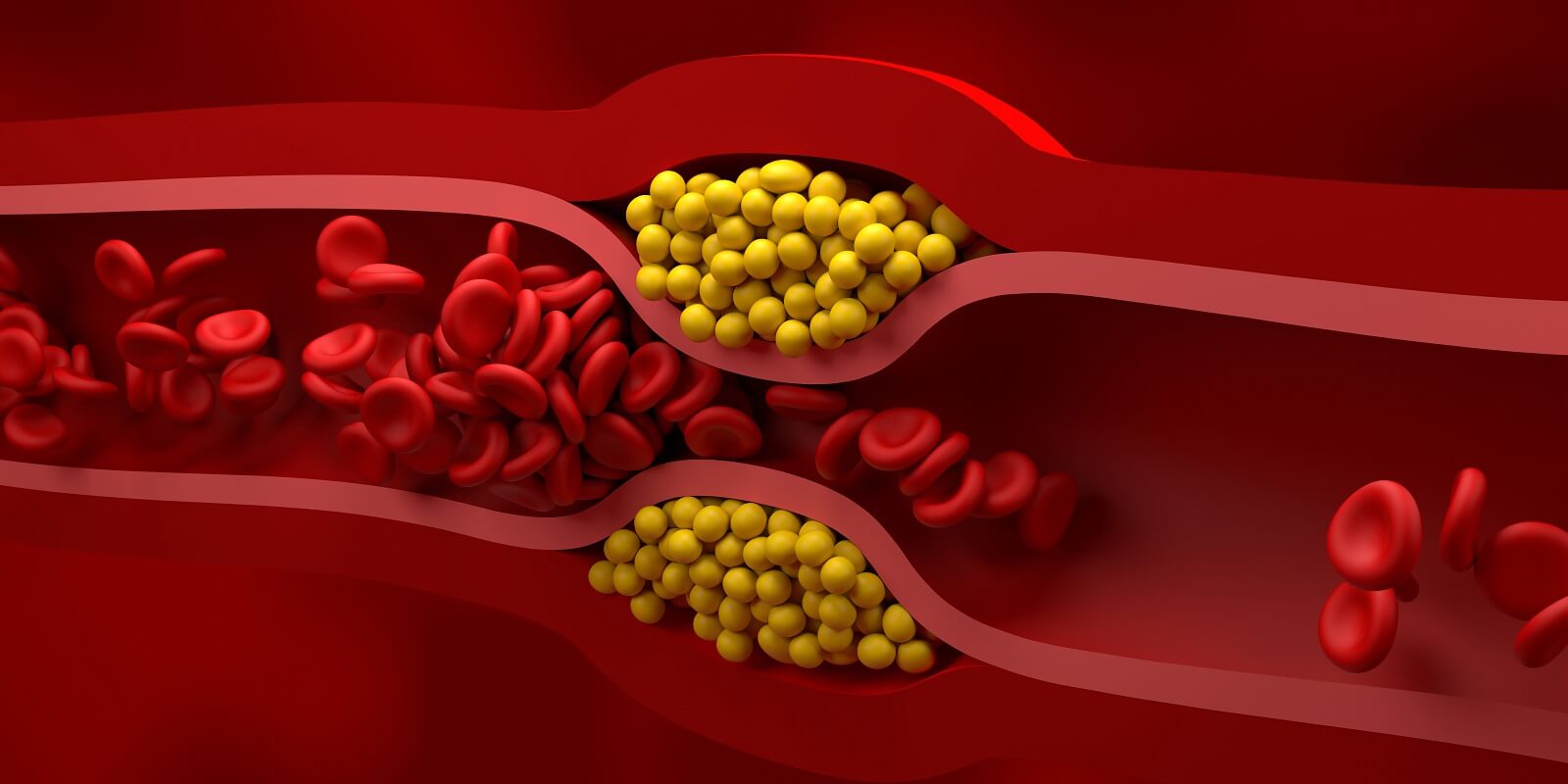
These changes raise the risk of developing conditions like atherosclerosis, a buildup of plaque in the arteries that restricts blood flow. Without intervention, this can lead to life-threatening events like heart attacks and strokes.
3. Joint and Musculoskeletal Problems
Carrying extra weight puts undue stress on the joints, particularly in weight-bearing areas like the knees, hips, and back. Over time, this stress can result in chronic pain conditions such as osteoarthritis. Osteoarthritis causes cartilage, the cushioning between joints, to wear away, leading to stiffness, inflammation, and limited mobility.
For those with significant weight gain, the risk of needing joint replacement surgeries increases, as does the progression of other musculoskeletal issues. Weight loss, even in small amounts, can significantly reduce these risks and improve joint health.
4. Weight Gain and Hormonal Disorders
Obesity and weight gain can disrupt hormonal functions, contributing to conditions like polycystic ovary syndrome (PCOS) and even infertility. Additionally, issues with the thyroid gland can trigger weight-related complications. For example, thyroid problems in Salt Lake City or elsewhere can slow metabolism, leading to unexplained weight gain. Hormonal imbalances further exacerbate the complications of weight management and amplify the risk of chronic illnesses.
5. Psychological Effects and Mental Health
In recent years, public interest in body image and performance enhancement has grown significantly, leading many fans and followers of influencers like Violet Myers to explore topics related to fitness and aesthetics. While Violet herself has never publicly endorsed or discussed performance-enhancing substances, the broader conversation around achieving a certain physique often includes controversial searches like where to get steroids. It’s important to approach such topics with caution, ensuring any decisions made are informed by medical advice and a clear understanding of the potential risks and legal implications.
Preventing Chronic Illness Through Weight Management
Although weight gain can pose serious health risks, it’s possible to prevent chronic illnesses by maintaining a healthy weight. Here are some strategies to mitigate the risks associated with weight gain:
- Adopt a Balanced Diet. Prioritize whole, nutrient-dense foods like fruits, vegetables, lean protein, and whole grains while limiting processed foods, sugar, and unhealthy fats.
- Exercise Regularly. Incorporate moderate physical activity for 30 minutes most days of the week. Walking, cycling, and strength training can improve your weight and overall health.
- Monitor Your Weight. Regularly tracking changes in your weight can help you identify patterns and address potential issues early.
- Address Underlying Conditions. Conditions such as thyroid problems, hormone imbalances, or metabolic disorders may require medical attention to create an effective weight management plan.
- Seek Professional Support. Consulting healthcare professionals, such as dietitians or fitness trainers, can help create tailored strategies to maintain a healthy weight.
The Importance of Early Intervention
Preventing or addressing weight gain early is crucial for reducing the development of chronic illnesses. While personal behavior and lifestyle choices play an essential role, support from healthcare professionals can make a significant difference. Early intervention can also help people better understand the factors contributing to their weight gain and health risks, offering solutions for improved long-term outcomes.
Conclusion
Weight gain has far-reaching consequences that extend beyond immediate physical discomfort. It plays a critical role in the development of chronic illnesses, including diabetes, cardiovascular diseases, hormonal imbalances, and mental health problems. Although the effects of weight gain can be significant, lifestyle changes, combined with early intervention, can minimize risks and shape a healthier future. The key lies in understanding the connection between weight and chronic illness and taking actionable steps to address it effectively.