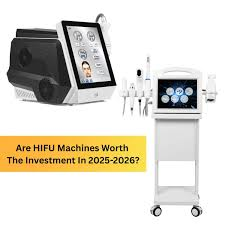
The aesthetic industry has undergone a seismic shift over the last decade, transitioning from invasive surgical procedures toward non-invasive, high-tech solutions that offer “lunchtime” transformations with minimal downtime. At the forefront of this revolution is High-Intensity Focused Ultrasound (HIFU) technology. Originally developed for medical applications such as treating tumors, HIFU has been adapted into a gold-standard treatment for skin tightening, face lifting, and body contouring. For clinic owners, independent practitioners, and beauty entrepreneurs, understanding the financial landscape of this technology is critical. Determining the right hifu machine price involves balancing initial capital expenditure against long-term reliability, treatment versatility, and the potential for a rapid return on investment.
The Science and Efficacy Behind High Intensity Focused Ultrasound
To understand the value of a HIFU device, one must first appreciate the biological mechanisms it triggers. Unlike laser treatments that target the superficial layers of the skin, HIFU delivers focused ultrasound energy to much deeper levels, specifically the Superficial Muscular Aponeurotic System (SMAS). This is the same layer that surgeons manipulate during a traditional facelift. By creating thermal coagulation points at these depths, the machine triggers a natural wound-healing response that results in the synthesis of new collagen and elastin fibers.
This deep-tissue targeting is what makes HIFU unique. The precision of the ultrasound waves allows the skin surface to remain entirely unaffected, while the underlying structure is tightened and lifted. As the body continues to produce new collagen over the two to three months following a treatment, the patient sees progressive improvement in skin laxity and jawline definition. This high level of clinical efficacy is a primary factor in why the technology remains in such high demand across global aesthetic markets.
Navigating the Variables of Technology and Performance
When evaluating different models, it becomes apparent that not all ultrasound devices are created equal. The market ranges from portable, single-function units to multi-platform systems that incorporate 4D, 7D, and V-MAX capabilities. A 7D system, for instance, offers micro and macro-focused ultrasound, allowing for more precise targeting of smaller areas like the periorbital region (around the eyes) while also providing the power necessary for body sculpting on larger areas like the abdomen or thighs.
The sophistication of the internal components—the transducers and generators—significantly influences the consistency of the energy delivery. Inconsistent energy can lead to “hot spots” that cause patient discomfort or ineffective results that damage a clinic’s reputation. Therefore, when considering the hifu machine cost, a professional must account for the engineering quality and the lifespan of the cartridges, as these directly impact the cost-per-treatment and the overall profitability of the service.
The Economic Impact on Aesthetic Practice Management
For a new or expanding beauty business, the acquisition of a HIFU device is often a landmark investment. The economic beauty of this technology lies in its low consumables cost compared to high service fees. Most HIFU treatments are priced as premium services, yet once the machine is purchased, the primary ongoing expense is the replacement of cartridges after they have reached their shot limit.
This favorable margin allows practitioners to recoup their investment relatively quickly. A standard facial lifting protocol might use only a fraction of a cartridge’s capacity, meaning the revenue generated from just a handful of clients can cover the monthly financing or the initial purchase price. Furthermore, because the treatment is non-invasive and requires no recovery time, it appeals to a vast demographic of working professionals who are willing to pay a premium for results that do not require time away from their careers.
Strategic Integration into a Treatment Menu
Integrating HIFU into a practice is not just about having the machine; it is about how it complements existing modalities. HIFU acts as a powerful foundation for “liquid facelifts” or “collagen-boosting” packages. It can be strategically combined with radiofrequency (RF) microneedling or skin boosters to address both the deep structural sagging and the superficial skin texture.
Offering tiered treatment plans allows a clinic to cater to different budget levels. For example, a “Mini-Lift” targeting only the lower face and jawline can be offered alongside a “Full Transformation” that includes the neck and body contouring. This flexibility ensures that the machine remains in constant use, maximizing the utility of the asset and ensuring that the practitioner can meet the diverse needs of their clientele.
Safety Training and Clinical Standards
With great power comes great responsibility. HIFU energy is potent, and its misuse can lead to adverse effects such as nerve inflammation or fat atrophy in areas where volume is desired. This underscores the importance of professional training and the selection of machines that offer clear, intuitive interfaces and safety protocols. Professional-grade machines often include detailed monitoring systems that ensure the energy is delivered at the correct depth and intensity every time.
Investing in a high-quality machine from a reputable supplier often includes access to training resources and clinical support. This partnership is vital for practitioners who want to stay at the cutting edge of the industry. Understanding the nuances of facial anatomy—where to avoid certain nerves and how to layer different depths—is what separates a mediocre result from a spectacular one.
The Shift Toward Multi-Functional and Portable Systems
The modern aesthetician often requires a balance between power and portability. The trend toward 2-in-1 systems that combine V-MAX (moving) HIFU with traditional 7D (static) HIFU has become increasingly popular. V-MAX technology allows for a continuous, “rubbing” motion that is more comfortable for the patient and allows for better contouring around the delicate curves of the face.
These multi-functional devices allow for a higher degree of customization. Some patients may have a high pain threshold and prefer the rapid delivery of a 7D cartridge, while others with more sensitive skin may benefit from the gentler approach of V-MAX. Having both options in a single device reduces the need for multiple machines, saving floor space in the clinic and simplifying the training process for staff.
Conclusion: Securing Long Term Profitability in Aesthetics
The demand for non-surgical skin tightening shows no signs of slowing down. As the global population ages and the desire for “preventative” aesthetics grows among younger demographics, HIFU technology remains a pillar of the modern beauty clinic. It is an investment that bridges the gap between basic skincare and plastic surgery, providing a level of intervention that was previously impossible without a scalpel.
By carefully selecting a machine that offers the right blend of technology, safety, and versatility, practitioners can secure their place in a competitive market. The focus should always remain on delivering consistent, transformative results that build client trust. In the world of high-end beauty, the best technology is that which provides a seamless experience for the practitioner and a life-changing result for the patient. As we look toward the future of non-invasive aging, HIFU stands as a testament to the power of ultrasound and its ability to redefine the boundaries of human beauty. The strategic acquisition of this technology is not just a purchase; it is a commitment to excellence and a step toward the future of advanced aesthetic care.