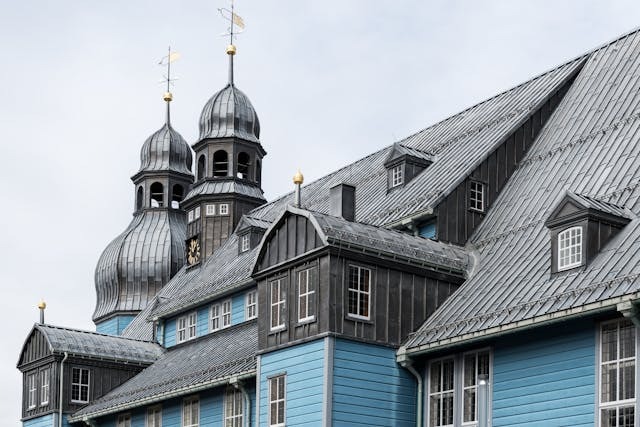
For many homeowners in the San Fernando Valley, a roof is often viewed as a utility, a necessary but unexciting shield against the elements. However, in the high-stakes real estate market of Southern California, the roof is far more than a structural necessity. It is a sophisticated piece of building technology that directly impacts a property’s valuation, energy efficiency, and long-term maintenance overhead. To view a roof merely as a collection of shingles is to miss the broader economic picture of homeownership.
The Hidden Costs of Thermal Inefficiency
In the climate of the Greater Los Angeles area, the primary “wear and tear” on a home doesn’t come from heavy snowfall or torrential rain, but from the relentless bombardment of ultraviolet radiation and infrared heat. This heat is not just an outdoor ambient issue; it is a structural one. When a roofing system is poorly engineered, the attic becomes a heat battery, storing thermal energy throughout the day and leaching it into the living quarters long after the sun has set.
This phenomenon creates a significant financial drain. An inefficient roof forces HVAC systems to cycle more frequently and run for longer durations, leading to higher monthly utility bills and accelerated wear on expensive mechanical equipment. Furthermore, extreme heat within the attic space causes the wood framing and roof decking to dry out and become brittle, a process known as “pyrolysis” over long periods, which can compromise the structural “shear” strength of the house. A high-performance roof, utilizing reflective materials and advanced ventilation, mitigates these risks, turning the top of the house into an active thermal barrier rather than a heat conductor.
Material Selection as a Risk Management Strategy
The choice of roofing material is a critical decision in risk management. While asphalt shingles remain the most common choice due to their initial cost-effectiveness, they are not always the most economical choice over a twenty-year horizon. Homeowners are increasingly looking toward materials that offer higher durability and lower lifecycle costs.
- Stone-Coated Steel: This provides the aesthetic appeal of traditional tile but with a fraction of the weight. In a seismic zone like Southern California, reducing the “dead load” on the top of a structure is a significant safety advantage. During an earthquake, a lighter roof reduces the centrifugal force acting on the walls, potentially preventing thousands of dollars in structural cracking or failure.
- Synthetic Composites: These are engineered to withstand UV degradation far better than organic materials. They do not absorb moisture, they do not support the growth of moss or algae, and they carry the highest fire ratings available. In neighborhoods near the wildland-urban interface, this fire resistance is not just a safety feature, it is often a requirement for maintaining affordable homeowners’ insurance.
- Upgraded Underlayments: The “inner” layer of the roof is where the real protection happens. Modern synthetic underlayments are virtually untearable and provide a secondary waterproof seal that far outlasts traditional felt paper.
Making these decisions requires a nuanced understanding of the local micro-climate. If you are ready to evaluate how these materials can protect your specific property, you can Click here To Contact Overhead Roofing for a professional assessment that goes beyond a simple price per square foot.
The Intersection of Aesthetics and Resale Value
In the Los Angeles real estate market, curb appeal is a quantifiable metric. A roof typically represents about 30% to 40% of a home’s visible exterior. A weathered, streaked, or curling roof sends a signal to potential buyers that the home has been neglected, leading to “valuation friction” during a sale. Conversely, a modern, high-performance roofing system, especially one with a transferable warranty, often provides a significant return on investment.
Modern roofing colors and textures have evolved. We are seeing a move away from flat, monochromatic shingles toward “high-definition” blends that add depth and architectural interest. For Spanish-style or Mediterranean homes, the move toward concrete tiles that mimic reclaimed clay provides an authentic look with modern structural performance. When a roof looks intentional and well-maintained, it reassures buyers that the “bones” of the house are protected, often leading to faster sales and higher closing prices.
The Technical Reality of Roof Penetrations and Flashings
The integrity of a roof is rarely compromised in the middle of a flat section; it fails at the “interruptions.” Chimneys, skylights, plumbing stacks, and solar mounts are all holes in the primary waterproofing layer. In the high-heat environment of the Valley, the materials used to seal these areas are under constant stress.
A common mistake in many local installations is the over-reliance on plastic roofing cements and mastics. These are petroleum-based products that eventually dry out, shrink, and crack under the sun. High-performance roofing relies on mechanical flashing. This involves custom-bent metal (usually galvanized steel or copper) that is integrated into the structure of the house. By using gravity and overlapping layers of metal rather than chemical sealants, a roof remains waterproof for decades. This attention to detail is what separates a “standard” roof from a high-performance system that can withstand the rare but intense atmospheric rivers that hit Southern California.
Strategic Maintenance: The “1% Rule”
A common rule of thumb in property management is to set aside 1% of the home’s value annually for maintenance. The roof should be a primary recipient of this fund. However, maintenance doesn’t always mean replacement. A proactive approach, clearing debris from valleys, inspecting flashing seals, and ensuring attic vents are unobstructed, can extend the life of a roof by 10 to 15 years.
In the San Fernando Valley, wind-driven debris is a constant issue. Leaves and twigs from nearby trees can act as a sponge, holding moisture against the roofing material and causing “back-pitching,” where water travels up and under the shingles. Regular professional inspections can identify these minor issues before they become catastrophic interior leaks. It is far more cost-effective to replace a single piece of flashing or a few broken tiles than it is to remediate mold in the attic and replace water-damaged drywall and insulation.
A Legacy of Protection
A roof is the most important “passive” system in a home. It works 24 hours a day to regulate temperature, shed water, and protect the structural frame of the building. In an era where climate patterns are becoming more extreme, longer heat waves followed by more intense bursts of rain, the engineering of the roof has never been more critical.
Investing in a high-quality roofing system is an investment in the home’s future. It provides peace of mind during the storm and lower overhead during the heat. By focusing on material science, proper ventilation, and mechanical flashing, homeowners can ensure that their most significant asset remains a safe, efficient, and valuable sanctuary for the long term. When you treat your roof as a high-performance system rather than a commodity, you are not just buying a product, you are securing the longevity of your home.