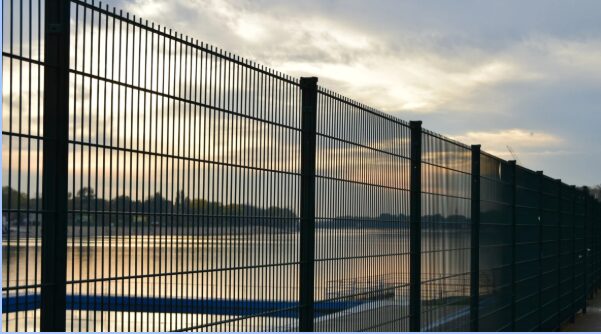
Fencing plays an important role in defining property boundaries, enhancing security, and improving the visual appeal of a property. While many property owners consider metal fencing for its durability, not all metal fences are designed the same way. Some are purely functional, while others combine strength with decorative appeal. When working with a fence manufacturer in Cumming, it becomes clear that ornamental fencing offers distinct advantages compared to standard metal options. Understanding these differences helps property owners choose a fencing solution that aligns with both practical needs and aesthetic preferences.
Design and Visual Appeal
Ornamental fencing is specifically designed to enhance the appearance of a property while still providing reliable protection. Unlike standard metal fencing, which often emphasizes simple, utilitarian designs, ornamental fencing incorporates decorative elements such as intricate patterns, curves, and detailed finishes. These design features allow the fence to complement architectural styles and landscaping. The result is a structure that not only serves a purpose but also adds character and elegance to the surrounding space, making it a preferred choice for properties that prioritize visual impact.
Material Quality and Craftsmanship
Another key difference lies in the level of craftsmanship and material quality used in ornamental fencing. While standard metal fencing is often produced with a focus on efficiency and basic durability, ornamental fencing typically involves higher-quality materials and more refined construction techniques. This ensures that the fence maintains its appearance and strength over time. Professional fabrication processes contribute to a polished finish and consistent detailing, enhancing durability and overall presentation. This level of craftsmanship sets ornamental fencing apart as a more premium option.
Purpose and Functionality
Standard metal fencing is generally installed with a primary focus on security and boundary definition. It is commonly used in areas where functionality is the main concern, such as industrial or utility spaces. Ornamental fencing, on the other hand, balances security with aesthetic value. While it still provides a strong barrier, it is often chosen for residential or commercial properties where appearance is equally important. This dual purpose makes ornamental fencing a versatile solution that meets both practical and design expectations.
Customization Options
Customization is another area where ornamental fencing stands out. Standard metal fencing typically offers limited design variations, often restricted to basic shapes and sizes. In contrast, ornamental fencing allows for a wide range of customization options, including unique patterns, finishes, and heights. This flexibility enables property owners to create a fence that reflects their personal style and complements their property’s overall design. Professional manufacturers can tailor each element to achieve a cohesive and visually appealing result.
Maintenance and Longevity
Both ornamental and standard metal fencing are known for their durability, but ornamental fencing often includes additional protective finishes that enhance longevity. These finishes help resist corrosion, weather exposure, and general wear. As a result, ornamental fencing can maintain its appearance for longer periods with proper care. Standard metal fencing may require more frequent maintenance to prevent deterioration, especially in challenging environmental conditions. Investing in a professionally crafted ornamental fence can deliver long-term value by reducing maintenance requirements and maintaining sustained visual appeal.
Conclusion
Ornamental fencing differs from standard metal fencing in several important ways, including design, craftsmanship, functionality, customization, and maintenance. While standard metal fencing focuses primarily on practicality, ornamental fencing combines strength with aesthetic sophistication. This makes it an ideal choice for property owners who want to enhance both security and visual appeal. By understanding these differences, it becomes easier to select a fencing solution that meets both functional requirements and design goals.