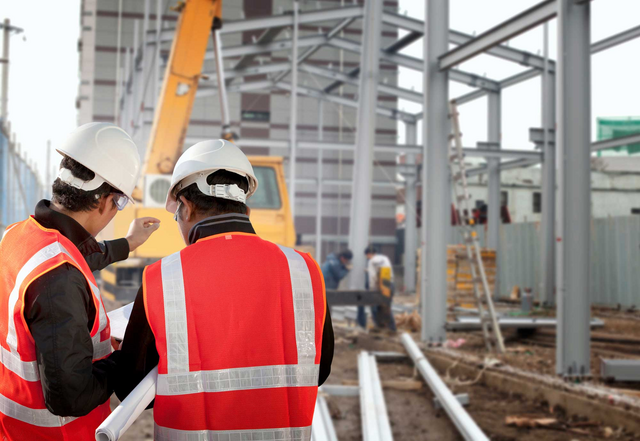
In the evolving construction industry, the design-build project delivery method is gaining attention for its efficient, cohesive approach. Combining design and construction under one contract enhances stakeholder communication, reducing misunderstandings and risks. This synergy is crucial for maintaining project integrity and timelines, making it a strong contender for cost-effective solutions.
Technological developments and an emphasis on sustainable development further advance the approach. Tools like building information modeling (BIM) improve project visualization and coordination, ensuring design-build stays at the forefront of innovation and setting new industry standards. It’s not just a preferred choice; it’s a catalyst for change in construction methodologies.
Why Design-Build is Gaining Popularity
The attractiveness of the design build approach lies in its inherent advantage of fostering unity between the design and construction phases. Design-build is a streamlined approach that offers a single-point responsibility, promoting clear communication and strengthening decision-making. This method has successfully adhered to tight timelines and budgets globally and is crucial in today’s fast-paced construction environment. It allows for efficient resource allocation and a collaborative framework where creativity and practicality coexist harmoniously. This approach has been successful in high-profile projects that successfully adhered to tight timelines and budgets, demonstrating its value in today’s competitive construction environment.
Technological Advancements Enhancing Design-Build
Technology has profoundly altered the design-build process, with techniques like 3D printing and building information modeling (BIM) transforming operations. BIM enhances accuracy and precision, allowing architects to visualize complex structures with detailed foresight. 3D printing enables efficient component creation and reduces material waste. These innovations improve project management and contribute to sustainability by reducing error margins and aligning the construction process. These technologies have transformative potential for the future of construction, reducing energy usage and optimizing material efficiency.
Benefits of the Design-Build Approach
The design-build approach is popular for construction projects due to its accelerated delivery timelines and cost savings. Research shows this method completes projects 33% faster than traditional construction projects, leading to financial savings. It’s particularly beneficial in sectors like healthcare, education, and transportation, where rapid completion of complex structures is required. Design-build projects like hospitals, educational facilities, and international airports have achieved quicker returns on investment while maintaining high professional standards.
Sustainability in Design-Build Projects
Design-build projects are ideal for eco-friendly building standards, as they incorporate sustainability from the initial design phase. These projects use resources judiciously, achieving lasting environmental benefits. Successful designs often use energy-efficient systems and recycled materials and minimize ecological impact. This model allows builders to integrate sustainable elements into the original design, making them an integral part of the project’s conception. It reflects the industry’s growing responsibility to address current and future environmental challenges.
Top Trends Shaping the Future of Design-Build
Design-build constantly evolves due to emerging trends, such as modular construction and integrated project delivery. Modular construction uses prefabricated units to enhance speed and flexibility, reduce construction time, and support sustainability by minimizing waste and maximizing resource efficiency. This approach fosters a collaborative environment, leveraging the strengths of all stakeholders from start to finish. These trends demonstrate the design-build model’s relevance and adaptability to the rapidly changing world.
Global Perspectives
The design-build approach is gaining global recognition due to its adaptability and universal benefits in meeting diverse infrastructural needs. However, cultural and regulatory differences influence its adoption. Some countries promote the model through government policies, while others adapt slowly due to established practices or differing regulatory environments. As international experiences accumulate, it becomes a mature and effective project delivery method.
Challenges Facing the Design-Build Process
Despite its advantages, the design-build process faces regulatory hurdles and resistance to change. Industry leaders must adopt innovative strategies and foster adaptable regulatory frameworks to overcome these. Training programs and stakeholder engagement are required to increase the utilization of the design-build approach, leading to more efficient, cost-effective, and responsive construction. The design-build model meets modern construction demands and sets a precedent for future innovations, integrating technology and sustainability to shape future infrastructure.