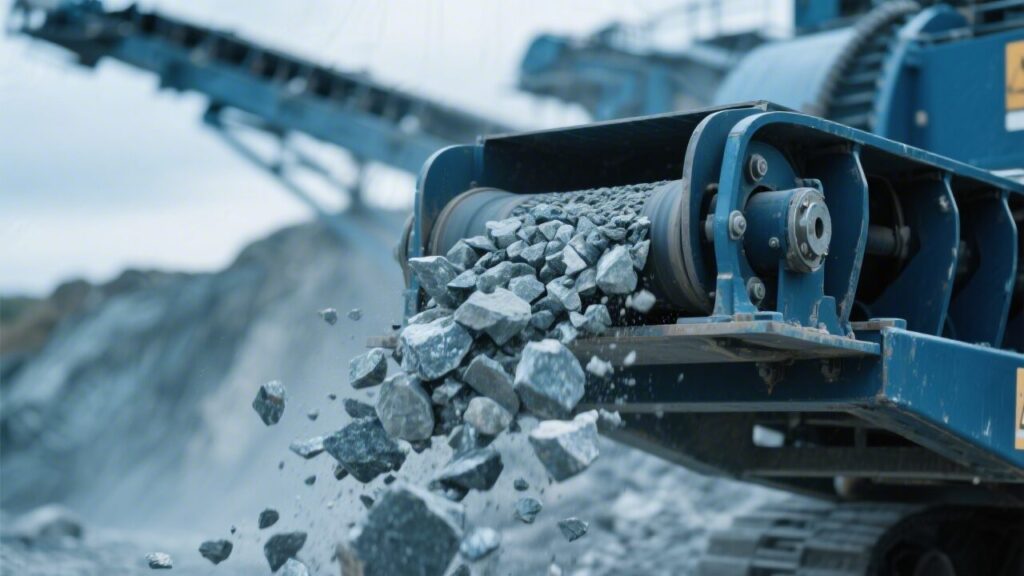
The construction industry produces millions of tons of concrete waste every year. Demolition projects, road repairs, and building renovations generate massive amounts of broken concrete that often ends up in landfills. For contractors and entrepreneurs, this waste represents a major opportunity. With equipment like a Rebel crusher, starting a concrete recycling business has become more practical and profitable than ever before.
Instead of paying expensive dump fees to dispose of demolition debris, companies can use modern crushing equipment to recycle concrete and turn it into valuable aggregate. By investing in a mobile concrete crusher for contractors, small businesses can process concrete directly on job sites and create a steady supply of reusable construction material.
In this guide, we will explain how to start a concrete recycling business, what equipment is required, and how mobile crushing technology can help transform demolition waste into a profitable operation.
Why Concrete Recycling Is a Growing Industry
Concrete is one of the most widely used building materials in the world. From sidewalks and bridges to parking structures and residential foundations, nearly every construction project involves concrete.
When these structures are demolished or renovated, the result is often tons of broken concrete that must be removed. Historically, contractors transported this debris to landfills or recycling facilities, paying substantial disposal and transportation fees along the way.
However, rising landfill costs and increasing environmental regulations have made recycling a far more attractive option. A concrete recycling business allows contractors to turn demolition debris into reusable aggregate that can be sold or reused in new projects.
With the help of construction waste recycling equipment, companies can process concrete efficiently and reduce the environmental impact of demolition work.
The Role of Mobile Crushing Equipment
A key component of any recycling operation is the crusher itself. Modern mobile crushing machines allow contractors to process materials directly at demolition sites.
A mobile concrete crusher for sale is designed to break large pieces of concrete into smaller aggregate sizes that can be reused in construction.
Unlike traditional stationary crushing plants, mobile crushers offer several advantages:
- portability between job sites
- reduced transportation costs
- faster project timelines
- lower setup requirements
Because these machines can travel from project to project, they are ideal for entrepreneurs looking to launch an on-site concrete crushing business without investing in a permanent recycling facility.
Step One – Understand the Local Market
Before launching a concrete recycling business, it is important to research the local market.
Successful recycling operations depend on two key factors:
- access to demolition material
- demand for recycled aggregate
Many construction companies, road contractors, and landscaping businesses regularly purchase crushed concrete as a base material. Recycled aggregate is often less expensive than newly mined stone, making it an attractive option for builders.
Understanding local construction activity will help determine how much recycled material can realistically be sold.
Step Two – Invest in the Right Equipment
The most important investment in a recycling operation is the crusher.
When searching for a mobile concrete crusher for sale, contractors should consider factors such as:
- crushing capacity
- mobility and transport requirements
- fuel efficiency
- maintenance needs
- compatibility with screening equipment
A mobile concrete crusher for contractors is designed specifically for jobsite use. These machines are typically compact enough to transport easily while still providing enough power to process large volumes of concrete.
In addition to the crusher, most operations require other basic equipment such as:
- excavators or loaders for feeding material
- screening equipment for separating aggregate sizes
- conveyors for material handling
Together, these machines form the foundation of modern construction waste recycling equipment operations.
Step Three – Choose Between Mobile and Fixed Operations
One of the biggest decisions when starting a concrete recycling business is whether to operate a fixed recycling yard or a mobile crushing service.
A fixed facility requires land, permits, and additional infrastructure. While this approach can process large volumes of material, it also requires a larger investment.
A mobile operation is often the best option for smaller businesses. By running an on-site concrete crushing business, contractors can travel to demolition sites and process material directly where it is generated.
This approach offers several advantages:
- lower startup costs
- reduced transportation expenses
- flexibility to serve multiple clients
- faster processing of demolition debris
For many entrepreneurs, mobile crushing is the fastest and most affordable way to enter the recycling industry.
Step Four – Understand Permits and Regulations
Every region has different regulations for recycling operations. Before launching a concrete recycling business, it is essential to research local environmental and zoning requirements.
Common regulatory considerations include:
- air quality and dust control
- noise restrictions
- material handling permits
- waste processing regulations
- zoning approvals
Mobile operations often face fewer regulatory requirements than permanent facilities, which is another reason why many entrepreneurs choose the on-site concrete crushing business model.
Step Five – Find Reliable Sources of Material
A successful recycling business depends on a steady supply of demolition material.
Contractors involved in demolition work often produce large amounts of concrete waste. By partnering with demolition companies, recycling businesses can secure consistent material to process.
Other potential sources include:
- road reconstruction projects
- municipal infrastructure upgrades
- building renovations
- parking lot removals
Because a mobile concrete crusher for contractors can travel directly to these sites, recycling companies can process material efficiently without the need for long-distance transportation.
Step Six – Create Revenue Streams
A concrete recycling business can generate income in several different ways.
Reusing Material on Construction Projects
Contractors who operate recycling equipment can reuse crushed concrete as base material on their own construction sites. This reduces the need to purchase aggregate from suppliers.
Selling Recycled Aggregate
Crushed concrete is widely used in construction. It can be sold to road builders, excavation companies, and landscaping contractors.
Offering Mobile Crushing Services
Companies with mobile concrete crusher for contractors equipment can offer crushing services to other demolition companies. This allows them to process material for clients and charge service fees.
Processing Other Construction Materials
Many recycling businesses expand beyond concrete and begin processing asphalt, brick, and other demolition materials.
These multiple revenue streams help increase profitability and equipment utilization.
Step Seven – Promote Your Recycling Services
Marketing plays an important role in growing a recycling operation.
Potential clients include:
- demolition contractors
- excavation companies
- road construction firms
- municipalities
- property developers
Promoting mobile crushing services can help establish a steady pipeline of projects.
Many companies highlight the environmental benefits of recycling as part of their marketing strategy. Using construction waste recycling equipment reduces landfill waste and supports sustainable construction practices.
The Future of the Concrete Recycling Industry
The demand for recycled construction materials continues to grow. Rising landfill costs and environmental regulations are encouraging contractors to adopt recycling practices.
Starting a concrete recycling business allows entrepreneurs to capitalize on this trend while providing valuable services to the construction industry.
With the help of a mobile concrete crusher for sale, companies can launch an efficient on-site concrete crushing business that processes demolition debris and converts it into reusable materials.
For contractors and business owners looking to enter the recycling industry, investing in a mobile concrete crusher for contractors and other construction waste recycling equipment can open the door to a profitable and sustainable business opportunity.
By turning concrete waste into a valuable resource, recycling businesses help reduce environmental impact while improving the economics of construction and demolition projects.

