Australia’s rural economy relies heavily on working horses for tasks such as livestock handling, station work, and training operations. In these environments, performance and safety depend not only on skilled handlers but also on the quality of equine equipment used to maintain horse health. Two of the most critical components in this system are horseshoes and hoof repair solutions, which together ensure horses can operate effectively under demanding conditions.
The Role of Horseshoes in Everyday Horse Work
Horseshoes are essential for protecting hooves from excessive wear and damage, particularly in rural settings where terrain is uneven, rocky, or heavily used. Working horses are exposed to long hours of physical activity, making hoof protection a key part of their long-term health and performance.
Access to quality horseshoes allows farriers and horse owners to match specific shoe types to different workloads and environments. Depending on the situation, horseshoes can:
- Protect hooves from cracking and wear
- Improve stability on difficult terrain
- Support correct hoof alignment
- Enhance traction during movement and work
This makes them a foundational element of equine care, especially in agricultural and rural industries where horses are still widely used in daily operations.
Why Hoof Repair and Support Products Matter
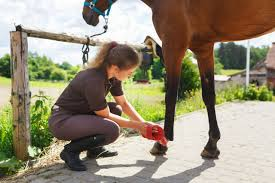
While horseshoes provide protection, hooves often require additional care and rehabilitation due to injury, strain, or long-term workload. In these cases, hoof repair solutions play a vital role in maintaining animal welfare and performance.
Hoof care accessories are used to:
- Repair cracks and structural damage
- Provide cushioning and support during recovery
- Assist with corrective hoof alignment
- Improve overall hoof strength and durability
These products allow farriers to address both preventative care and active treatment, ensuring horses remain fit for work even after injury or stress.
The Importance of Farrier Expertise
Farriers are highly skilled professionals responsible for maintaining hoof health through trimming, shoeing, and corrective treatment. Their work requires precision, experience, and access to a wide range of specialised tools and materials.
In rural Australia, farriers play a critical role in supporting:
- Livestock mustering operations
- Station and farm work
- Equine sports and training programs
- Rehabilitation of injured horses
Without proper hoof care, horses would struggle to perform effectively, which would directly impact productivity in rural industries.
Supply Chains That Support Equine Health
Behind every properly shod and healthy horse is a supply chain that ensures farriers and horse owners have access to the necessary equipment. Specialist equine suppliers provide consistent access to horseshoes, repair materials, and farrier tools, ensuring that animal care standards can be maintained across both urban and remote regions.
This supply chain is important because:
- Horse care is ongoing, not one-time
- Demand exists across multiple industries (agriculture, sport, training)
- Remote areas depend on reliable delivery systems
- Farriers require a variety of specialised products
Without this infrastructure, maintaining consistent equine welfare would be significantly more difficult.
How Horseshoes and Hoof Care Work Together
Horseshoes and hoof repair products are not separate systems—they work together as part of a complete equine care strategy. Horseshoes provide protection and performance support, while hoof repair solutions address damage, recovery, and corrective care.
Together, they ensure:
- Horses remain healthy under workload pressure
- Injuries are treated and managed effectively
- Performance is maintained across different environments
- Long-term hoof condition is preserved
This combination is essential for keeping working horses safe and operational in demanding rural conditions.
Conclusion
Equine care in Australia depends on a well-structured system of products, professionals, and supply chains. Horseshoes provide the foundation for protection and performance, while hoof care accessories ensure ongoing treatment and recovery when needed.
Together, they support the broader rural economy by maintaining the health and reliability of working horses, ensuring that agricultural and equine industries continue to operate efficiently and safely.