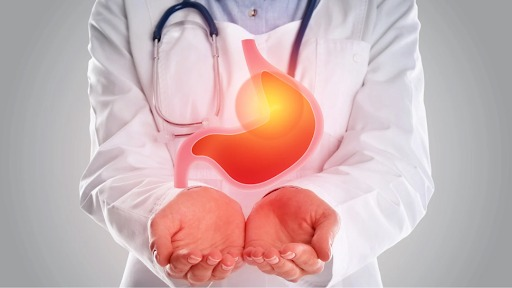
Obesity is closely linked to a range of digestive health concerns, with GERD being one of the most common and persistent conditions. Excess body weight can place added pressure on the abdomen, leading to frequent acid reflux and discomfort. Over time, this can affect the esophagus and overall digestive function. Many individuals dealing with GERD Reflux in Baltimore seek professional evaluation to understand how weight-related factors contribute to their symptoms. Recognizing the connection between obesity and reflux is essential for identifying effective treatment strategies and improving long term digestive health.
How Excess Weight Increases Acid Reflux
There is often a small gap between understanding symptoms and identifying their root cause, which highlights the importance of examining how obesity impacts digestive function. Excess body weight increases pressure on the stomach, which can force stomach contents upward into the esophagus. This pressure weakens the lower esophageal sphincter, the muscle responsible for keeping acid in the stomach. When this muscle does not function properly, acid reflux becomes more frequent and severe. Over time, repeated exposure to stomach acid can irritate the lining of the esophagus. This ongoing cycle makes it clear why individuals with obesity are more likely to experience persistent GERD symptoms compared to those with a healthy weight.
Impact on Digestive System Function
Obesity not only influences reflux but also disrupts the normal functioning of the entire digestive system, leading to multiple complications. The digestive system relies on coordinated movements to process food efficiently, but excess weight can interfere with this process. Slower digestion and increased pressure on internal organs may lead to bloating, discomfort, and irregular digestion. In addition, obesity is often associated with dietary patterns that can further aggravate reflux symptoms. Understanding how certain dietary choices affect acid production is important, especially when considering what foods help acid reflux as part of a medically guided plan. Addressing both weight and diet under professional supervision supports better digestive balance.
Increased Risk of Long Term Complications
When GERD is left unmanaged, particularly in individuals with obesity, it can lead to more serious health conditions over time. Chronic acid reflux can cause inflammation and damage to the esophageal lining, increasing the risk of complications such as esophagitis or narrowing of the esophagus. In more advanced cases, long-term irritation may contribute to conditions that require specialized medical care. Obesity further amplifies these risks by maintaining constant pressure on the stomach and prolonging exposure to acid reflux episodes. Early medical evaluation and consistent management are essential to reduce the likelihood of these complications and to protect overall digestive health.
Effect on Daily Comfort and Quality of Life
The combination of obesity and GERD can significantly affect daily comfort, making routine activities more challenging and uncomfortable. Frequent heartburn, chest discomfort, and regurgitation can interfere with sleep, eating habits, and physical activity. Individuals may find it difficult to enjoy meals or maintain regular routines due to persistent symptoms. Over time, this can impact both physical wellbeing and overall quality of life. Professional care focuses on addressing the underlying causes while also managing symptoms effectively. By targeting both weight-related factors and reflux triggers, patients can experience meaningful improvements in comfort and daily functioning.
Importance of Professional Treatment and Management
Managing GERD in the presence of obesity requires a comprehensive approach that combines medical expertise with personalized care strategies. Healthcare professionals evaluate each patient’s condition to determine the most effective treatment plan, which may include lifestyle adjustments, medication, or advanced medical procedures when necessary. Addressing obesity as part of the treatment plan is crucial for reducing pressure on the digestive system and minimizing reflux episodes. With the right professional guidance, patients can achieve better symptom control and improved digestive health. This integrated approach ensures that both the immediate symptoms and underlying causes are effectively managed.
Conclusion
Obesity plays a significant role in worsening GERD and disrupting digestive health, making timely and professional care essential. By understanding how excess weight contributes to reflux and related complications, individuals can make informed decisions about their treatment and long term wellbeing.