The Connection Between NAD+ and Immune Defense
Your immune system depends on cellular energy to fight infections and repair damaged DNA. NAD+ (nicotinamide adenine dinucleotide) plays a central role in both processes, acting as a cofactor for enzymes that regulate immune cell activity and maintain genomic stability.
As NAD+ levels decline with age, immune function weakens. This decline has been linked to increased susceptibility to infections, slower recovery times, and impaired DNA repair mechanisms that protect against mutations.
How NAD+ Powers Immune Cells
Immune cells such as macrophages and T cells require significant energy to function properly. NAD+ fuels mitochondrial respiration in these cells, ensuring they can respond quickly to threats. Additionally, NAD+-dependent enzymes called sirtuins help regulate inflammatory responses, preventing chronic inflammation while maintaining acute immune readiness.
Supplementing with a high-quality NAD+ supplement may help maintain the cellular energy levels that immune cells need to operate efficiently.
NAD+ and DNA Repair Pathways
One of the most critical functions of NAD+ involves DNA repair. The enzyme PARP1 consumes NAD+ to fix single-strand DNA breaks. When NAD+ is depleted, PARP1 cannot function effectively, leading to accumulated DNA damage that accelerates aging and increases disease risk.
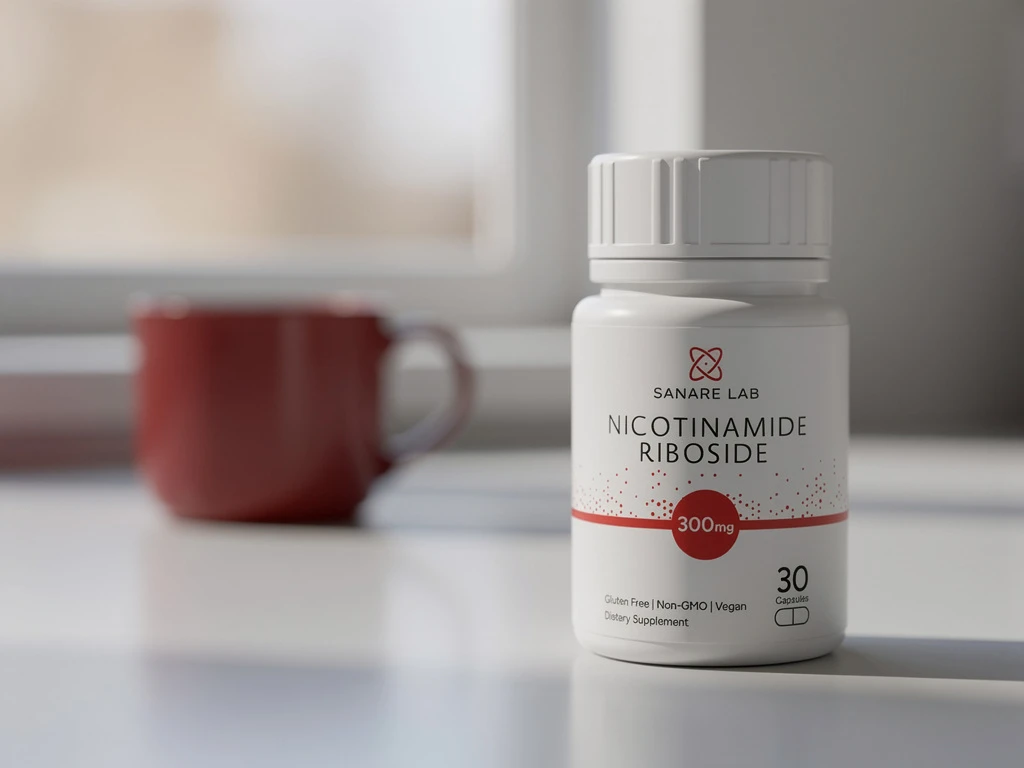
Research into nicotinamide riboside (NR), a precursor to NAD+, has shown promising results. For a deeper look at clinical findings, review the latest nicotinamide riboside research.
Practical Steps to Support NAD+ Levels
- NR supplementation provides a direct pathway to boosting NAD+ levels in the body
- Regular exercise naturally stimulates NAD+ production through metabolic demand
- Caloric moderation activates sirtuins that depend on NAD+ availability
- Quality sleep supports the circadian regulation of NAD+ metabolism
The Aging Immune System and NAD+ Depletion
As the body ages, a process known as immunosenescence gradually weakens the immune system’s ability to respond to new pathogens and maintain effective surveillance against abnormal cells. Declining NAD+ levels are now considered a contributing factor in this process. Without adequate NAD+, immune cells lose their metabolic flexibility and become less responsive to activation signals.
Studies have shown that restoring NAD+ through precursor supplementation can rejuvenate aged immune cells in laboratory settings, improving their proliferative capacity and cytokine production. These findings suggest that maintaining optimal NAD+ levels throughout life may be one of the most effective strategies for preserving robust immune function and supporting the body’s natural DNA repair mechanisms over time.