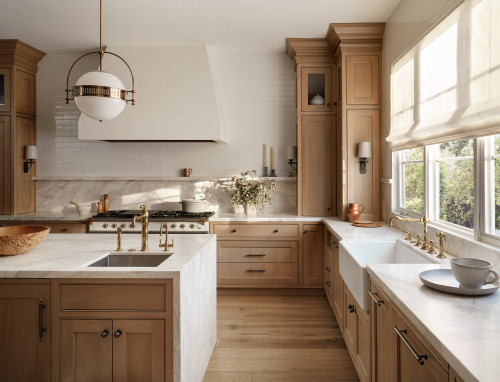
Creating the perfect kitchen is all about finding the right balance between style and functionality. Many homeowners love the warmth and timeless charm of traditional elements, but also crave the sleek and clean lines of modern design. Merging the two can feel tricky, but with the right approach, you can create a kitchen that feels both inviting and fresh. This is where the concept of blending modern and traditional design comes into play, giving your space the best of both worlds.
Start with a Transitional Framework
When you begin exploring transitional kitchen design, you’re essentially harmoniously combining classic and modern features. This style is all about balance, utilizing elements like simple cabinet profiles paired with natural materials to achieve a warm and versatile look. It’s an ideal starting point because it allows flexibility, so your kitchen doesn’t lean too heavily in one direction.
Think of transitional design as the perfect middle ground. It usually features neutral color palettes, streamlined hardware, and clean countertops. By starting with this approach, you can add accents or features from either modern or traditional styles without creating visual clutter.
Use a Neutral Color Palette
A neutral color palette serves as a bridge between modern and traditional design styles. Colors like soft whites, creams, grays, and beige tones provide a timeless backdrop that can highlight both sleek and rustic features. This kind of palette makes it easier to mix different materials and finishes without overwhelming the space.
Neutral tones also give you the freedom to play with pops of color through accessories, backsplashes, or decor items. This way, you can adjust the vibe of your kitchen over time without major renovations. It’s a subtle yet effective way to maintain flexibility in your design.
Mix Varied Textures and Surfaces
One of the most effective ways to balance modern and traditional styles is by mixing materials and textures. For example, pairing natural wood cabinets with a quartz countertop can create a stunning visual contrast. Stainless steel appliances bring in modern functionality, while stone or brick backsplashes can add rustic warmth.
Adding a variety of finishes helps create depth and character in your kitchen. Matte finishes can tone down bold elements, while glossy surfaces add a sleek, modern vibe. By carefully combining these textures, you achieve a layered and balanced aesthetic that feels both cozy and contemporary.
Incorporate Functional Yet Stylish Lighting
Lighting plays a critical role in unifying your kitchen design. Pendant lights with metallic finishes can bring a modern touch, while vintage-inspired fixtures add traditional charm. Mixing both styles within the same space creates visual interest and sets the right mood for your kitchen.
Layered lighting is key to achieving a well-balanced look. Consider combining recessed lighting with statement fixtures over an island or dining area to create a visually striking effect. This approach enhances functionality and adds depth and sophistication to the overall design.
Infuse Your Unique Style
Personal touches are what make a kitchen truly unique and welcoming. Small details, like traditional crown molding or a farmhouse sink, can introduce character while still complementing modern elements. Open shelving, featuring a mix of vintage dishware and contemporary decor pieces, can also create a harmonious blend.
Don’t be afraid to mix old and new accessories to achieve the perfect balance. This might include combining sleek barstools with a reclaimed wood island or pairing modern cabinet hardware with classic cabinet designs. These subtle touches help your kitchen stand out without feeling over-designed.
A successful kitchen design merges functionality with personal style. By starting with a transitional kitchen design as your foundation, you can seamlessly blend modern and traditional elements. The key is to maintain a cohesive design with neutral colors, thoughtful textures, and carefully selected accents. This approach creates a space that feels warm, elegant, and perfectly tailored to your taste, all while standing the test of time.