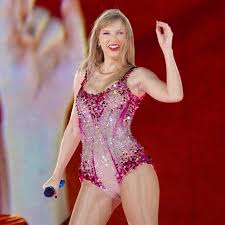
In the ever-evolving landscape of digital technology, one of the most intriguing developments is video face swap. This mesmerizing technology has captured the imaginations of creators, technologists, and audiences alike, offering a blend of creativity, innovation, and ethical considerations. In this blog post, we will explore what video face swap is, how it works, its applications, and the implications it has for society.
What is Video Face Swap?
Video face swap is a technology that allows for the seamless exchange of faces between individuals in a video. It employs advanced algorithms and artificial intelligence to map, blend, and animate facial features in a way that appears natural and realistic. This technology is an extension of the more familiar image-based face swap, but it operates in the dynamic realm of moving images, adding layers of complexity and potential.
How Does Video Face Swap Work?
At the core of video face swap technology are deep learning algorithms, particularly those involving Generative Adversarial Networks (GANs). These systems consist of two neural networks: the generator and the discriminator. The generator creates fake data (in this case, swapped faces), while the discriminator evaluates its authenticity. Through continuous iterations, the system improves its ability to produce realistic results.
The process begins with capturing facial landmarks and expressions from both source and target faces. These data points are then used to create a digital mask that can be applied to a target video. Advanced techniques ensure that lighting, shadows, and facial movements are consistent with the original footage, making the swap appear seamless.
Applications of Video Face Swap
- Entertainment: Perhaps the most visible application is in the entertainment industry. Video face swap allows filmmakers and content creators to experiment with casting choices and create compelling visual effects without the need for costly makeup or CGI. It also enables fans to insert themselves into their favorite movie scenes or music videos for fun.
- Social Media: Platforms like TikTok and Snapchat have popularized face swap filters, allowing users to engage with content in creative ways. These filters have become a staple in digital communication, adding an element of humor and personalization.
- Education and Training: Video face swap can be used in educational settings to create engaging training materials. For example, historical figures can be brought to life to provide firsthand accounts of historical events, making learning more immersive.
- Advertising: Brands can use face swap technology to create personalized ads that resonate with individual consumers by incorporating their faces into promotional content.
Ethical Considerations
While video face swap technology offers exciting possibilities, it also raises significant ethical concerns. The ability to manipulate video content so convincingly poses risks related to misinformation, privacy violations, and consent. Deepfake videos—hyper-realistic fake videos created using similar technology—have been used maliciously to spread false information or create inappropriate content without individuals’ consent.
To address these issues, there is an ongoing conversation about the need for regulations and ethical guidelines governing the use of such technologies. Tech companies are also developing tools to detect manipulated content to help combat misuse.
In conclusion
Vidqu AI is a powerful tool that exemplifies both the potential and challenges in video face swap and photo face swap. As we navigate its implications, it is crucial to balance innovation with ethical considerations to ensure it enhances our lives responsibly. Whether used for entertainment or education, video face swap is undoubtedly a fascinating facet of our digital future.