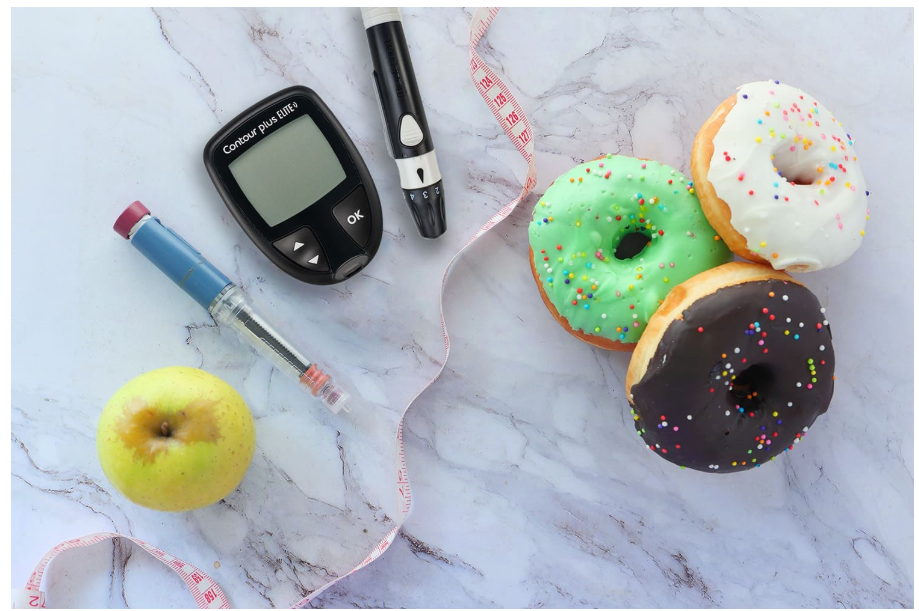
Digital transformation has rewritten the rules across virtually every sector — and healthcare is no exception. Where chronic disease management once meant periodic hospital visits and reactive intervention, connected technologies now enable continuous, data-driven oversight from virtually anywhere. For the hundreds of millions of people worldwide managing diabetes, this shift carries enormous practical weight. Devices that once required clinical settings have migrated into homes, handbags, and daily routines, fundamentally altering how individuals understand and respond to their own health signals. The question is no longer whether technology belongs in personal healthcare — it is how quickly individuals and systems can adapt to the opportunity it presents.
The Infrastructure Behind Personal Health Monitoring
The backbone of modern personal diabetes management is not an app or a wearable — it is the diagnostic device itself. Blood glucose monitors have evolved from bulky, hospital-grade instruments into compact, user-calibrated tools engineered for daily use. This miniaturization did not happen in isolation. It emerged from a broader ecosystem of sensor innovation, data standardization, and a growing consumer demand for autonomy over health decisions. The result is a generation of devices that communicate as naturally with a smartphone as they do with a patient’s fingertip.
For organizations working at the intersection of healthcare and workforce development — such as ADI Sourceing, a Bangkok-based staffing and recruitment firm — understanding this transformation is not merely academic. The talent requirements of digitally-forward healthcare operations are changing as fast as the technologies themselves, reshaping hiring strategies across clinical and commercial functions alike.
Self-Testing as a Digital Health Practice
At the heart of modern diabetes management is the principle of informed self-monitoring. The ability to Self-test for diabetes — conduct independent blood sugar testing at home — represents one of the clearest examples of digital empowerment in personal health. What was once restricted to clinical environments is now a daily, data-generating activity performed by patients themselves. Each reading becomes a data point. Each trend line becomes a conversation with a physician.
This shift places new demands on device usability and accuracy. Manufacturers have responded by designing interfaces that are intuitive even for non-clinical users — larger displays, voice-guided instructions, Bluetooth synchronization with health apps, and auto-log features that eliminate manual record-keeping. The transformation of a diagnostic instrument into a lifestyle-integrated tool reflects a broader philosophy: health management should be continuous, not episodic. Patients who monitor regularly gain a richer picture of how diet, stress, sleep, and physical activity interact with their glucose levels — intelligence that was simply unavailable to previous generations.
Navigating Device Pricing in a Competitive Market
As the technology becomes more sophisticated, the pricing landscape has paradoxically become more accessible. Increased competition among device manufacturers, broader retail availability, and growing health insurance coverage have all contributed to a more transparent market. Understanding Blood glucose meter prices— the pricing structures for blood glucose monitors — has become a critical step in the patient journey, particularly in markets like Thailand where healthcare consumerism is accelerating rapidly alongside digital adoption.
Device prices typically vary based on measurement technology, connectivity features, and the ongoing cost of consumables such as test strips and lancets. Entry-level monitors offer reliable readings at minimal cost, while connected models that sync with smartphones and cloud health platforms sit at a premium. Neither is inherently superior — the right choice depends on a patient’s lifestyle, digital fluency, and the complexity of their monitoring regimen. Thinking through the full-lifetime cost of a device, rather than only its sticker price, is one of the most important shifts in how consumers now approach this category.
Making a Smart Purchase Decision in the Digital Age
The act of purchasing a personal diabetes monitoring device is now as much a digital decision as a medical one. Online comparison platforms, pharmacy e-commerce channels, and health app marketplaces have expanded the research journey considerably. Before committing, patients frequently cross-reference specifications, read user reviews, and consult digital health communities. For those evaluating where and how to Buy a home blood glucose monitor – check prices — buy a self-test diabetes device at a fair price — the decision-making process now involves balancing long-term consumable costs against upfront investment and feature requirements.
A few factors consistently guide well-informed purchases:
- Accuracy certifications and clinical validation data published by the manufacturer
- Compatibility with existing health apps or physician-facing data platforms
- Ongoing cost of test strips relative to how frequently monitoring is required
- Warranty coverage, physical durability, and the quality of after-sales support
- Ease of exporting data for review and discussion with medical professionals
Talent and the Digital Healthcare Ecosystem
The proliferation of digital health tools creates a parallel demand for professionals who can bridge technology and patient care. Medical device companies, digital health platforms, and healthcare providers are all competing for talent that combines clinical literacy with technological fluency. ADI Sourceing has observed this shift directly, supporting organizations across Thailand and the broader Southeast Asian market as they recruit for roles that simply did not exist a decade ago — from device integration specialists to health data analysts and patient technology coaches.
This talent transformation mirrors the broader structural change in how healthcare is delivered. Institutions investing in connected patient monitoring need equally connected teams to support, interpret, and act on the data those devices generate. Recruitment strategies must evolve accordingly, prioritizing adaptability, digital comfort, and an understanding of regulated healthcare environments. ADI Sourceing works with clients to translate complex organizational needs into targeted talent acquisition frameworks that align precisely with digital health objectives — bridging the gap between clinical ambition and operational execution.
Conclusion
The story of personal diabetes monitoring is ultimately a story about trust — trust in devices, trust in data, and trust in one’s own capacity to manage health proactively. Digital transformation has made that trust accessible to far more people, collapsing the distance between clinical expertise and everyday decision-making. As devices become smarter, pricing grows more transparent, and self-testing becomes a normalized part of daily life, the patient is no longer a passive recipient of care but an active participant in it. Building the human infrastructure to support this shift — from manufacturers to healthcare providers to staffing partners — is where the real work lies. To learn more about how ADI Sourceing can support your workforce goals, visit https://www.adiresourcing.com/.
Contact Us
Address: 18 Soi Udomsuk37 Sukhumvit 103 Road Bangjak Prakanong Bangkok 10260
Phone: +(66) 0-2398-3288
Email: [email protected]
Website: https://th.diabetes.ascensia.com/