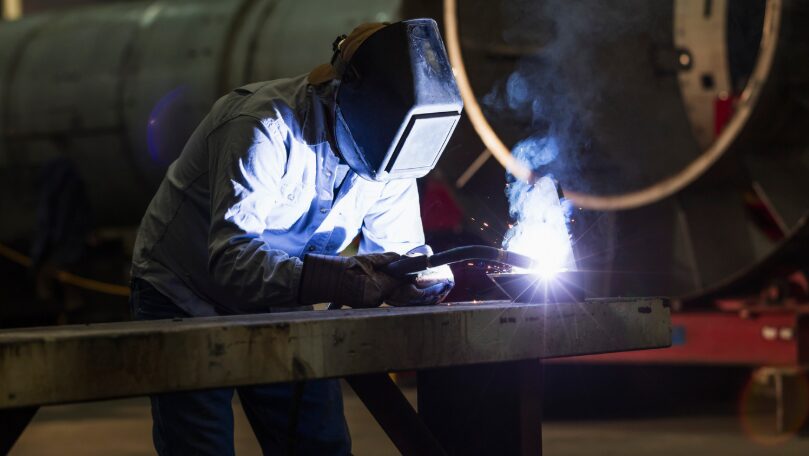
Maintaining clean air in welding environments depends heavily on the performance and lifespan of filtration systems. Over time, filters are exposed to fine particles, heat, and continuous airflow, all of which can affect their durability. A welding air filter plays a crucial role in capturing contaminants and ensuring that air remains safe for workers and equipment. Understanding the factors that influence filter durability helps manufacturers make informed decisions and maintain consistent system performance in demanding industrial conditions.
Type and Quality of Filter Material
The material used in a filter significantly affects how long it lasts under continuous use. High-quality filter media is designed to capture fine particles while maintaining airflow, which reduces strain on the system. Advanced materials can withstand higher temperatures and resist wear from constant exposure to welding fumes. Lower quality filters may degrade quickly, leading to reduced efficiency and frequent replacements. Choosing durable materials ensures that the filter can withstand industrial demands while maintaining consistent performance over time.
Volume and Nature of Welding Fumes
The type and volume of fumes generated during welding directly affect filter durability. Processes that produce heavy concentrations of particulate matter can cause filters to clog more quickly. Certain materials used in welding may also generate particles that are more abrasive or sticky, which can reduce the lifespan of the filter. Facilities with high production levels often place greater stress on filtration systems, requiring filters that can handle increased loads. Understanding the nature of the fumes helps in selecting filters that are suited to specific operational conditions.
Airflow and System Pressure
Airflow plays a critical role in determining how effectively a filter performs and how long it lasts. Systems with balanced airflow ensure that particles are evenly distributed across the filter surface, preventing localized clogging. Excessive pressure can strain the filter material, leading to faster wear and reduced durability. On the other hand, insufficient airflow may allow particles to accumulate unevenly, impacting efficiency. Proper system design ensures that airflow and pressure levels are optimized to extend the lifespan of the filter.
Maintenance Practices and Replacement Timing
Regular maintenance is essential for preserving filter durability and overall system performance. Over time, accumulated particles can restrict airflow and reduce filtration efficiency. This underscores the importance of following guidelines, such as how often to replace filters in a welding fume extractor, which emphasize timely replacement to maintain optimal operation. Consistent inspection and servicing help identify issues early and prevent excessive wear on the filter. Proper maintenance ensures that filters continue to perform effectively without unnecessary strain.
Environmental Conditions in the Facility
The environment in which welding takes place can also influence filter durability. Factors such as temperature, humidity, and air circulation patterns affect how particles interact with the filter. High temperatures can weaken filter materials, while humidity may cause particles to adhere more strongly to the surface. Poor ventilation can lead to uneven distribution of fumes, placing additional stress on certain areas of the filter. By understanding these environmental conditions, manufacturers can adjust their systems to improve filter longevity.
System Design and Integration
The way a filtration system is designed and integrated into the facility has a major impact on filter durability. Proper placement of extraction points ensures that fumes are captured efficiently before they spread. Well-designed ductwork and airflow paths reduce the load on filters by directing contaminants effectively. Systems that are tailored to specific operational needs tend to perform better and place less strain on their components. A well-integrated system supports consistent filtration and helps extend the lifespan of the filter.
Conclusion
Welding air filter durability is influenced by a combination of factors, including material quality, fume characteristics, airflow management, maintenance practices, environmental conditions, and system design. By addressing these elements, manufacturers can ensure that their filtration systems remain effective and reliable over time. Durable filters not only improve air quality but also contribute to efficient and uninterrupted industrial operations.