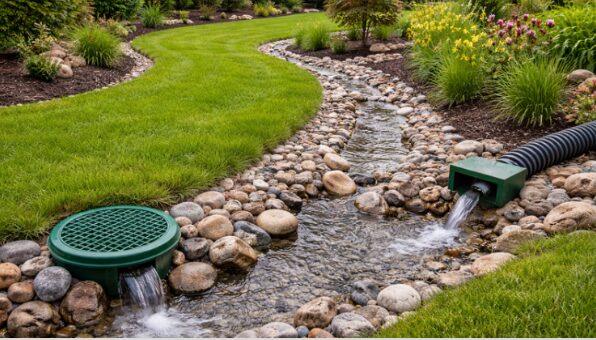
A landscape drainage inspection is a critical step in identifying issues that can lead to water damage, soil erosion, and structural instability. Many property owners underestimate the importance of
a thorough evaluation until visible problems begin to surface. In areas where rainfall and terrain create consistent challenges, services like landscape drainage in Johns Creek help ensure that water is properly managed across residential properties. A comprehensive inspection goes beyond surface-level observations, focusing on underlying causes and long-term solutions that protect both the landscape and built structures.
Assessing Site Grading and Water Flow Patterns
The first step in a professional drainage inspection is analyzing the property’s grading and understanding how water naturally flows across the landscape. Improper grading can cause water to accumulate near foundations, walkways, or low-lying areas, leading to ongoing damage. Professionals carefully observe slopes, elevation changes, and runoff patterns during different conditions. This detailed evaluation allows them to identify problem areas and determine how water can be redirected effectively. Proper grading is essential for ensuring that drainage systems function as intended and prevent future complications.
Evaluating Soil Conditions and Absorption Rates
Soil composition plays a major role in how water behaves on a property, making it a key focus during an inspection. Compacted or poorly drained soil can prevent water from being absorbed, leading to pooling and oversaturation. Professionals assess soil density, permeability, and moisture retention to determine their impact on drainage performance. Properly navigating the waters of landscape drainage, the choice between French and trench drains helps guide the selection for an appropriate solution. By understanding soil conditions, experts can recommend systems that improve absorption and support long-term stability.
Inspecting Existing Drainage Systems
A comprehensive inspection also involves examining any existing drainage systems to ensure they are functioning properly. This includes checking drains, pipes, channels, and outlets for blockages, damage, or inefficiencies. Over time, these systems can become clogged or misaligned, reducing their effectiveness and leading to recurring issues. Professionals evaluate whether the current setup meets the property’s needs and identify areas that require repair or improvement. This process ensures that all components work together to efficiently manage water flow.
Identifying Problem Areas and Risk Zones
During the inspection, professionals look for visible and hidden signs of drainage problems. These may include standing water, erosion patterns, foundation cracks, or damaged landscaping. Identifying these risk zones early allows for targeted solutions that address the root cause rather than just the symptoms. Experts use their observations to map the areas most vulnerable to water-related damage. This thorough approach ensures that no issue is overlooked and that the entire property is protected.
Recommending Tailored Drainage Solutions
Once the inspection is complete, professionals develop customized recommendations based on the findings. These solutions are designed to address specific issues such as poor grading, soil compaction, or inadequate drainage systems. The goal is to create a balanced approach that manages water flow effectively while preserving the landscape. By tailoring solutions to the property’s unique characteristics, experts ensure long-lasting results. This step is crucial for transforming inspection insights into practical improvements that enhance overall performance.
Conclusion
A comprehensive landscape drainage inspection is essential for maintaining the health and stability of any property. By evaluating grading, soil conditions, existing systems, and potential risk areas, professionals can identify the root causes of drainage issues. This detailed process ensures that solutions are not only effective but also sustainable over time. With proper inspection and expert planning, properties can remain protected from water-related damage while maintaining their functionality and visual appeal.