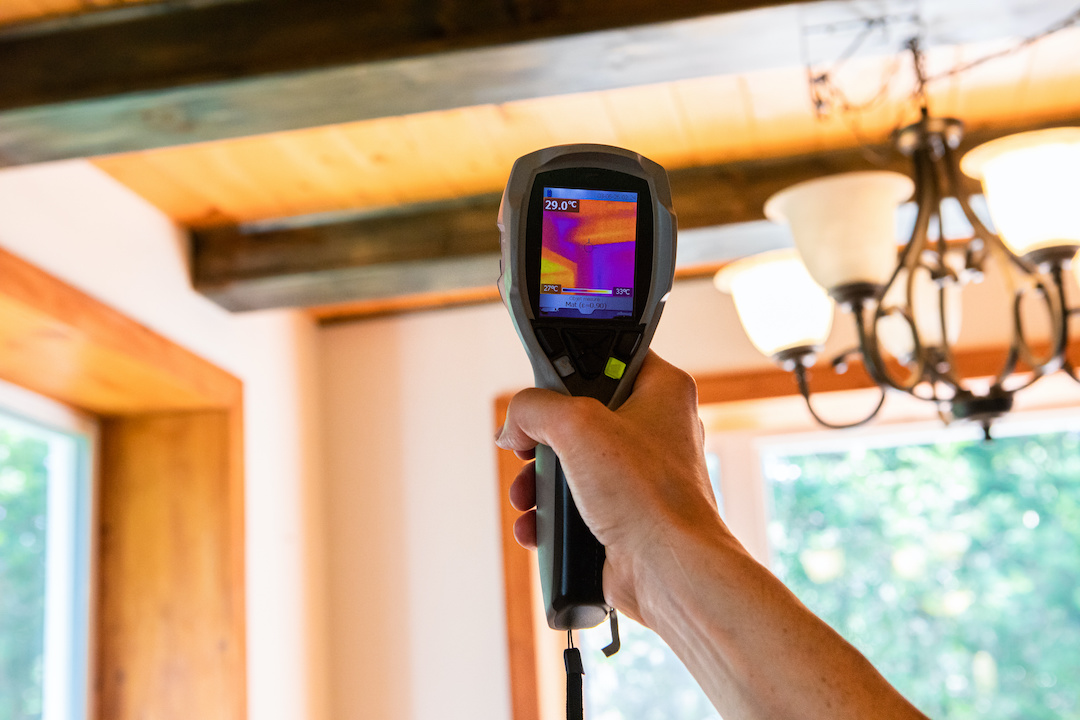
When people hear about indoor air quality testing, they often assume it’s only about finding mold. While mold is certainly one part of the equation, it’s far from the whole picture. The air inside a home or office is a mix of biological, chemical, and particulate elements—many of which are invisible but still affect how a space feels and functions.
In places like Tampa Bay, where humidity, heat, and year-round air conditioning shape indoor environments, understanding air quality becomes less of a luxury and more of a practical necessity.
This article takes a closer look at what indoor air quality testing actually reveals, why it’s different from quick DIY methods, and how it helps create a clearer understanding of indoor environments.
The Indoor Environment Is More Complex Than It Seems
At first glance, indoor air might seem clean—especially in well-maintained homes or offices. But indoor environments are constantly changing systems influenced by:
- HVAC performance
- Outdoor air entering the building
- Materials inside the space
- Daily activities like cooking or cleaning
- Humidity levels
Because of this, air quality isn’t static. It shifts throughout the day and across seasons. What feels “fine” one week might feel noticeably different the next, even without obvious changes.
The Three Main Categories of Indoor Air Contaminants
Professional indoor air quality testing typically focuses on three broad categories. Each one affects indoor environments in different ways.
1. Biological Contaminants
These include:
- Mold spores
- Dust mites
- Pet dander
- Pollen
Mold often gets the most attention, but it’s just one piece of the biological puzzle. Elevated levels of any of these can contribute to discomfort indoors, particularly in spaces with limited airflow or high humidity.
2. Chemical Pollutants (VOCs)
Volatile Organic Compounds (VOCs) are gases released from everyday materials and products. Common sources include:
- Paints and coatings
- Flooring and adhesives
- Cabinets and furniture
- Cleaning products
- Air fresheners
After renovations or upgrades, VOC levels can temporarily rise as materials “off-gas.” In tightly sealed indoor environments, these compounds can linger longer than expected.
3. Particulate Matter
This refers to tiny particles suspended in the air, such as:
- Fine dust
- Combustion particles
- Outdoor pollutants that enter indoors
Some particles are small enough to bypass standard HVAC filters and remain airborne, contributing to indoor discomfort.
Why DIY Air Testing Kits Often Fall Short
Retail testing kits—especially petri dish-style mold kits—are widely available and inexpensive. But they tend to create more confusion than clarity.
Here’s why:
Mold is naturally present everywhere
In Florida environments, mold spores exist both indoors and outdoors at baseline levels. A DIY kit will almost always “grow something,” which can lead people to believe there’s a serious issue when there may not be one.
No meaningful comparison
Professional testing compares indoor air to outdoor air. This comparison is essential for understanding whether indoor levels are unusual. Most DIY kits don’t provide that context.
Lack of quantifiable data
DIY kits don’t measure concentration levels in a reliable way. Without numbers and species identification, it’s difficult to draw any useful conclusions.
In short, they show presence—but not significance.
What Professional Testing Adds That Basic Checks Cannot
A structured indoor air quality assessment is less about detecting “something” and more about understanding how much, what type, and whether it matters.
Controlled sampling methods
Air is collected using calibrated equipment that captures a measurable volume over time. This ensures consistency and accuracy.
Lab-based analysis
Samples are examined by accredited laboratories, which identify:
- Types of mold spores
- Concentration levels
- Presence of specific pollutants
Interpreted results
Raw lab data can be difficult to understand. A proper assessment explains:
- Whether levels are typical or elevated
- How indoor results compare to outdoor baselines
- What environmental factors may be influencing the results
This interpretation is what turns data into useful information.
When Air Quality Becomes a Question Worth Investigating
Indoor air quality testing isn’t something most people do routinely. It usually becomes relevant when something changes or doesn’t feel right.
Some common scenarios include:
After a renovation or upgrade
New materials can introduce VOCs into the air, especially in recently painted or remodeled spaces.
Following a water issue
Even if visible damage has been repaired, moisture can linger in materials, potentially affecting air quality.
During real estate transactions
Buyers and sellers sometimes use testing to establish a clearer picture of a property’s condition.
In shared or leased spaces
When multiple occupants report discomfort, testing can provide objective data rather than relying on assumptions.
The Role of Independent Testing
One aspect that often gets overlooked is who performs the testing. The structure of the service can influence how results are presented.
Independent inspection and testing services focus solely on:
- Collecting samples
- Analyzing results
- Providing interpretation
Because they don’t perform remediation or repairs, their role is limited to delivering information. This separation can help ensure that findings are based on data rather than tied to follow-up services.
Understanding the Results: It’s About Context, Not Just Numbers
One of the biggest misunderstandings about indoor air quality testing is assuming that any detected contaminant automatically indicates a problem.
In reality, interpretation depends on context:
- Are indoor levels higher than outdoor levels?
- Are certain species present that suggest indoor growth?
- Are VOC levels consistent with recent changes in the space?
- Are particulates within a typical range for the environment?
Without context, numbers alone don’t mean much. With context, they become a useful guide for decision-making.
Indoor Air Quality and Everyday Living
Most people spend the majority of their time indoors—whether at home, at work, or in shared environments. Because of that, indoor air quality plays a quiet but constant role in daily comfort.
Even small improvements in ventilation, moisture control, or filtration can make noticeable differences over time. But before making changes, it helps to understand what’s actually present in the air.
That’s the core purpose of testing: not to create alarm, but to replace guesswork with measurable insight.
Learning More About the Process
For a more detailed breakdown of how air sampling works, what’s included in an assessment, and how results are presented, you can explore Indoor Air Quality Testing.
Final Thought
Indoor air quality is often overlooked because it’s invisible. But invisibility doesn’t mean insignificance. Whether it’s biological particles, chemical compounds, or fine dust, what circulates through indoor air can shape how a space feels over time.
Testing doesn’t change the air—it changes your understanding of it. And that understanding is what allows informed, practical decisions moving forward.