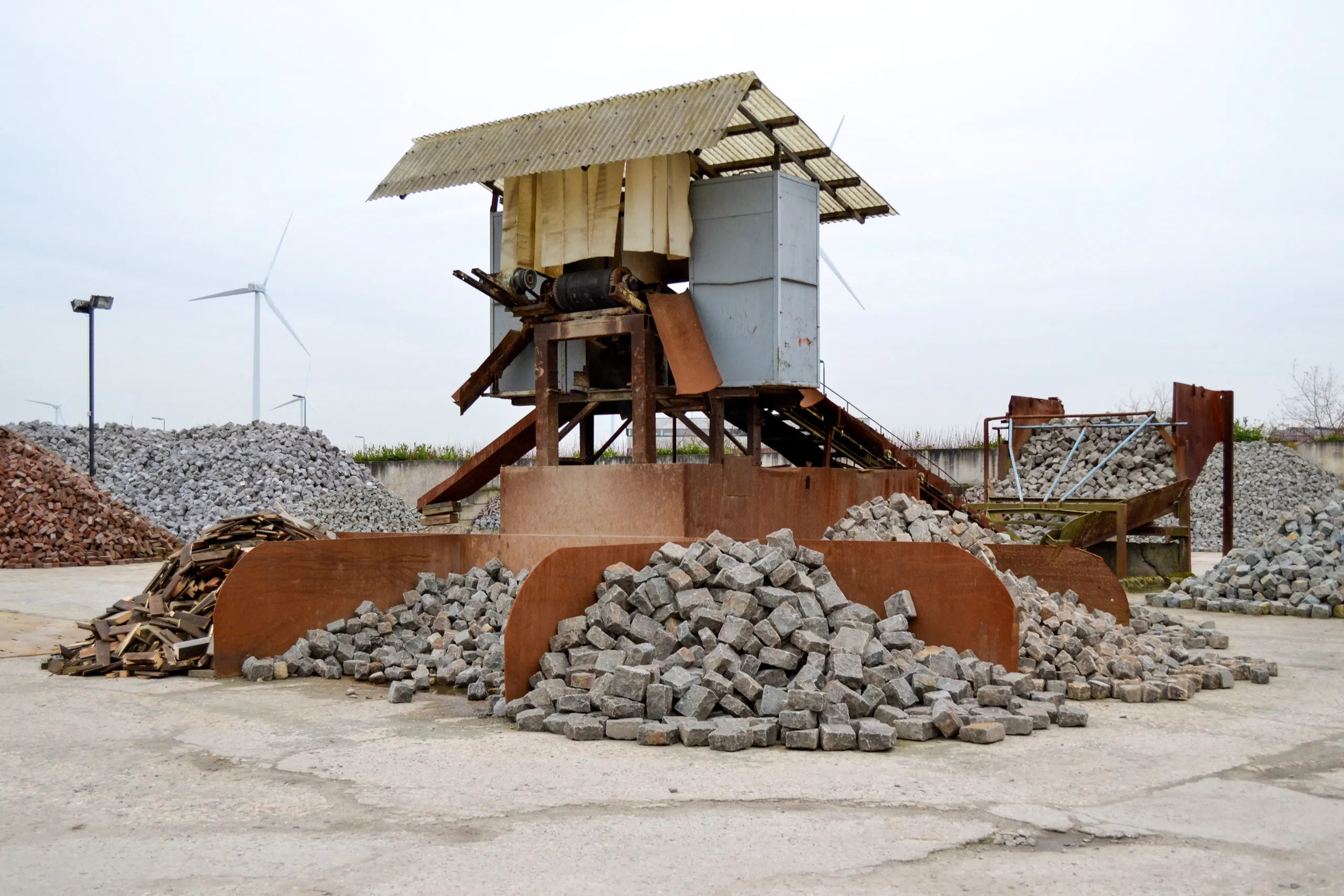
The construction industry is undergoing a major transformation as companies look for ways to reduce waste, conserve resources, and operate more sustainably. One of the most important concepts driving this change is circular construction. Instead of treating demolition debris and leftover materials as waste, contractors are learning how to reuse and recycle them within the building process. With the help of technologies such as concrete recycling equipment, companies can process materials directly on-site and return them to productive use. These circular construction practices are helping the industry move away from the traditional “build, use, dispose” model and toward a system where materials remain part of the construction cycle for as long as possible.
Circular construction is quickly becoming a key strategy for reducing environmental impact while improving project efficiency and cost control.
Understanding Circular Construction
Circular construction is based on the principles of the circular economy, where resources are reused, recycled, and kept in use for as long as possible. Instead of sending demolition materials to landfills, contractors focus on construction material reuse and recycling to extend the life of building resources.
This approach contrasts with the traditional linear model used for decades in construction. In the linear model, materials are extracted, used during construction, and eventually discarded as waste during demolition.
Circular construction changes this process by encouraging contractors to recover materials from existing structures and reuse them in new projects.
Concrete, asphalt, steel, wood, and brick can all be repurposed through careful planning and proper processing techniques.
Why the Construction Industry Is Adopting Circular Practices
Several factors are driving the adoption of circular construction practices across the construction sector.
First, environmental concerns are becoming increasingly important. Construction and demolition activities generate massive amounts of waste every year. Without recycling efforts, much of this material ends up in landfills.
Second, natural resources used in construction are becoming more expensive and difficult to obtain. Extracting new stone, sand, and gravel requires energy, transportation, and heavy equipment.
By focusing on construction material reuse and recycling, contractors can reduce dependence on newly mined materials while lowering project costs.
Finally, government policies and environmental standards are encouraging companies to adopt sustainable construction waste management strategies that prioritize recycling and resource conservation.
Reusing Construction Materials on Site
One of the most practical aspects of circular construction is reusing construction materials on site. Instead of transporting demolition debris away from the jobsite, contractors can process materials directly where they are generated.
For example, concrete from demolished buildings or sidewalks can be crushed into aggregate that is reused for road base or structural fill. Asphalt removed from old pavement can be recycled into new pavement layers.
Processing materials on-site provides several advantages:
- Reduced transportation costs
- Faster project timelines
- Less landfill waste
- Immediate access to recycled materials
By keeping materials within the construction site, contractors improve efficiency while reducing environmental impact.
The Role of Recycling Equipment
Efficient recycling requires specialized equipment capable of processing construction debris into reusable materials.
Modern construction debris recycling equipment includes crushers, screening systems, and sorting machines that separate materials based on size and composition.
These machines allow contractors to process large quantities of demolition materials quickly and efficiently.
Many companies now rely on on-site concrete recycling equipment that can crush and screen concrete directly at the jobsite. This equipment eliminates the need to transport debris to distant recycling facilities.
On-site recycling not only improves material efficiency but also supports sustainable construction waste management by reducing transportation emissions and landfill usage.
Environmental Benefits of Circular Construction
Circular construction offers significant environmental benefits.
First, recycling materials dramatically reduces the amount of waste sent to landfills. Construction debris accounts for a large percentage of landfill waste worldwide. By adopting construction material reuse and recycling, contractors can divert substantial volumes of debris away from disposal sites.
Second, recycling reduces the need for extracting new raw materials. Quarrying and mining operations used to produce aggregates require significant energy and can impact natural ecosystems.
By reusing construction materials on site, contractors help conserve natural resources while lowering the environmental footprint of construction projects.
Finally, recycling reduces transportation requirements. Fewer truck trips are needed to haul debris away from job sites or deliver new materials, leading to lower fuel consumption and reduced emissions.
Economic Advantages for Contractors
Circular construction is not only environmentally responsible but also economically beneficial.
Landfill tipping fees and transportation costs can significantly increase the cost of demolition and construction projects. Recycling materials instead of disposing of them helps reduce these expenses.
Through construction material reuse and recycling, contractors can transform waste into valuable resources that can be reused in the same project or future developments.
Recycled aggregates often replace newly purchased materials, lowering material costs and improving project profitability.
Additionally, contractors who adopt circular construction practices may gain a competitive advantage when bidding on projects that prioritize sustainability or environmental responsibility.
Improving Project Efficiency
Efficient material use also improves project workflow.
Traditional construction methods often involve multiple stages of material handling. Debris must be removed from the jobsite, transported to disposal facilities, and replaced with newly purchased materials.
Circular construction reduces these steps by keeping materials within the project cycle.
Using construction debris recycling equipment, contractors can process materials immediately after demolition and reuse them in ongoing construction activities.
This streamlined approach helps maintain project momentum and supports sustainable construction waste management by minimizing delays and logistical challenges.
Regulatory and Industry Trends
Governments and industry organizations are increasingly encouraging circular construction through regulations and incentives.
Many jurisdictions have introduced policies that require construction companies to reduce landfill waste or recycle certain types of materials.
Developers and investors are also prioritizing sustainable construction practices. Projects that demonstrate effective construction material reuse and recycling strategies often receive greater support from regulatory agencies and environmentally focused organizations.
These trends suggest that circular construction will continue to grow as an essential part of the industry.
The Future of Circular Construction
As construction technology continues to evolve, circular construction will likely become a standard practice rather than an optional strategy.
Innovations in construction debris recycling equipment and on-site concrete recycling equipment are making recycling faster, more efficient, and more accessible for contractors of all sizes.
At the same time, rising material costs and environmental pressures are encouraging companies to rethink how they manage resources.
By embracing circular construction practices, contractors can reduce waste, conserve resources, and build more sustainable projects.
Conclusion
The concept of circular construction is transforming the way the industry approaches materials and waste. Instead of viewing demolition debris as a disposal problem, contractors are learning to treat it as a valuable resource.
Through construction material reuse and recycling, companies can reduce environmental impact while improving project efficiency and lowering costs.
Technologies such as construction debris recycling equipment and on-site concrete recycling equipment make it possible to process materials directly at construction sites, supporting sustainable construction waste management and enabling reusing construction materials on site.
As environmental awareness grows and regulations evolve, circular construction will play an increasingly important role in shaping the future of the construction industry. By keeping materials in use longer and minimizing waste, contractors can help build a more sustainable and efficient construction ecosystem.