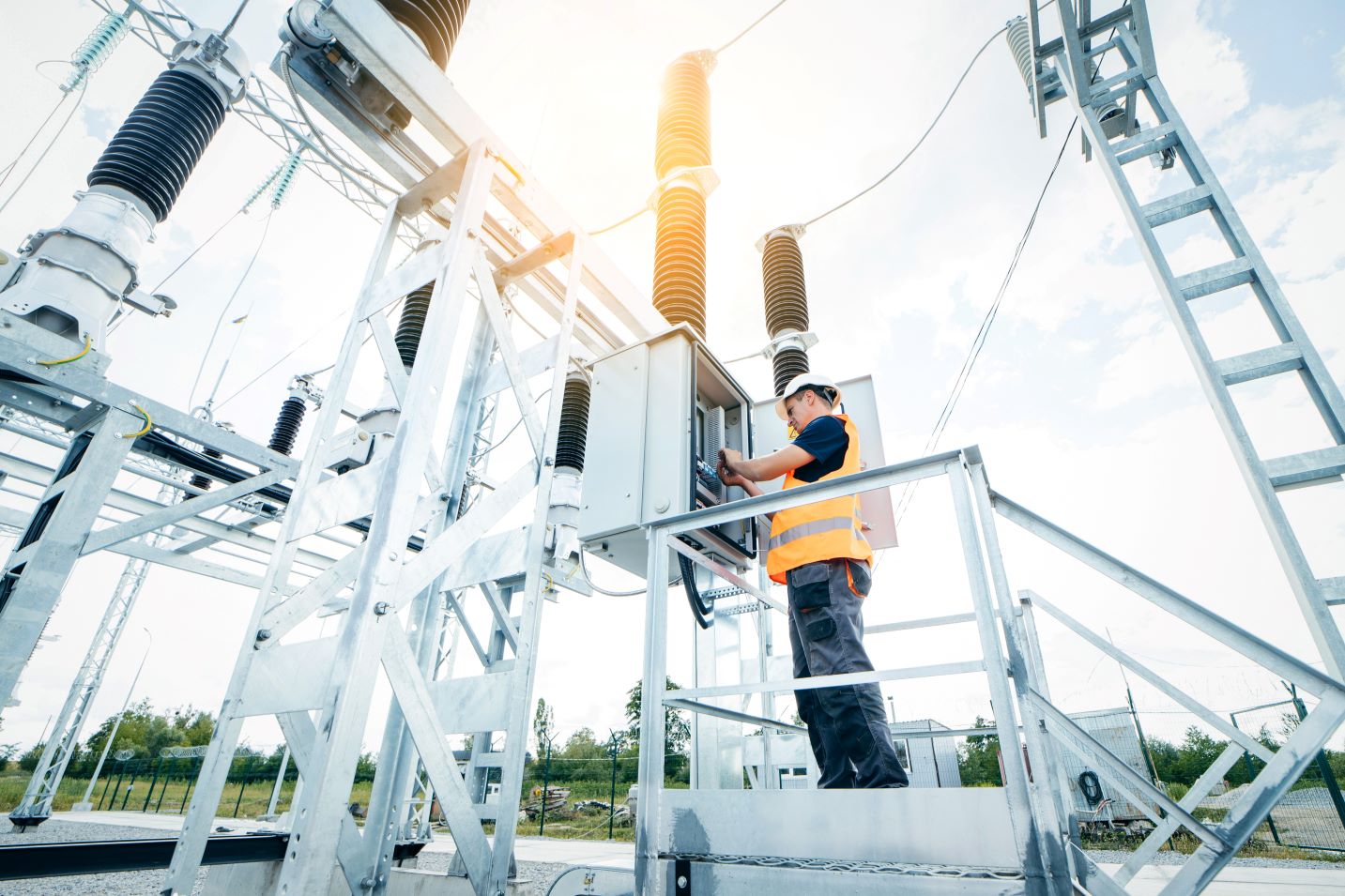
In today’s fast-moving business environment, reliable electrical systems are essential. Whether it’s a corporate office, retail space, restaurant, or technology facility, electricity powers nearly every aspect of daily operations. Lighting, networking equipment, security systems, HVAC units, and specialized machinery all rely on a stable electrical foundation.
For commercial property owners and business managers, electrical infrastructure isn’t something that can be taken lightly. Poorly designed systems, outdated panels, or neglected maintenance can lead to costly downtime, safety hazards, and operational disruptions. Working with experienced commercial electricians helps ensure that electrical systems remain safe, efficient, and capable of supporting modern business needs.
Why Commercial Electrical Systems Are More Complex
Commercial electrical systems differ significantly from residential systems. Businesses typically require higher voltage capacity, more complex wiring configurations, and specialized equipment installations.
Unlike homes, commercial buildings must support multiple workstations, heavy equipment, advanced lighting systems, and sophisticated digital infrastructure. In many cases, these systems must also operate continuously throughout the day and night.
Common electrical requirements in commercial buildings include:
- Large-scale lighting systems
- Dedicated circuits for computers and equipment
- Backup power systems
- Electrical panels designed for high demand
- Data center infrastructure
- Energy management systems
Because of these demands, commercial electrical work requires specialized knowledge, planning, and installation techniques.
Safety Is the Foundation of Electrical Work
Electrical safety is one of the most critical concerns for commercial properties. Faulty wiring or overloaded circuits can create fire hazards, equipment failures, and serious risks for employees and customers.
Professional electricians focus on designing systems that meet both safety standards and operational requirements. Electrical codes and regulations are constantly evolving, and businesses must stay compliant to avoid violations and liabilities.
Important safety practices often include:
Regular Electrical Inspections
Routine inspections help identify worn wiring, outdated panels, and overloaded circuits before they lead to failures. These inspections are especially important for older buildings or properties undergoing renovations.
Circuit Protection
Modern circuit breakers and protective systems help prevent electrical overloads. Upgrading outdated breakers ensures electrical systems remain stable during peak usage.
Proper Grounding
Grounding protects equipment and reduces the risk of electrical shock. Commercial environments with sensitive equipment rely heavily on proper grounding systems.
These preventive measures help ensure that businesses maintain a safe working environment while avoiding unexpected disruptions.
Energy Efficiency and Smart Upgrades
Energy efficiency is becoming a top priority for businesses seeking to lower operating costs and reduce environmental impact. Electrical upgrades can significantly improve efficiency while also modernizing a facility.
Many commercial buildings now incorporate energy-saving solutions such as:
- LED lighting systems
- Occupancy sensors and automated lighting controls
- Smart building management systems
- Energy monitoring systems
- Electric vehicle charging stations
These technologies help businesses reduce energy consumption without sacrificing performance. Over time, energy-efficient upgrades can result in significant cost savings and improved sustainability.
Supporting Business Growth and Technology
As companies grow, their electrical systems must be able to support expanding operations. New equipment, additional employees, and evolving technologies all increase power demands.
For example, a technology company may need additional server capacity, while a restaurant might install new kitchen equipment that requires dedicated circuits. Retail stores may also upgrade lighting or digital display systems.
Without adequate electrical planning, these upgrades can strain existing systems.
Commercial electricians help businesses prepare for growth by providing:
- Electrical panel upgrades
- New circuit installations
- Equipment wiring and integration
- Tenant improvements for new spaces
- Electrical capacity planning
These improvements ensure that businesses can expand operations without encountering electrical limitations.
The Value of Professional Commercial Electricians
Commercial electrical work requires precision, experience, and a deep understanding of complex electrical systems. Professional electricians bring the expertise needed to manage large-scale installations, upgrades, and repairs safely.
Services commonly provided by commercial electrical professionals include:
- Electrical system design and installation
- Commercial lighting upgrades
- Electrical panel replacement
- Generator installation and maintenance
- Troubleshooting electrical issues
- Preventive maintenance programs
For businesses in the Bay Area, working with experienced Palo Alto commercial electricians can help ensure electrical systems are installed correctly, meet safety standards, and remain reliable as operational needs evolve.
Preventing Costly Downtime
Few things disrupt business operations more than electrical failures. When power systems malfunction, productivity stops, equipment may be damaged, and customer experiences can suffer.
Preventive electrical maintenance helps businesses avoid these problems.
A proactive electrical maintenance plan often includes:
- Scheduled system inspections
- Load testing and circuit monitoring
- Thermal imaging to detect overheating components
- Lighting system maintenance
- Backup power testing
Regular maintenance helps detect small issues early and prevents them from escalating into expensive repairs or unexpected outages.
Preparing Commercial Buildings for the Future
Commercial properties are evolving rapidly as new technologies emerge. Electric vehicles, renewable energy systems, and smart building technologies are becoming increasingly common.
To stay competitive, businesses must ensure their electrical systems can support these advancements.
Future-ready electrical infrastructure may include:
- EV charging stations for employees and customers
- Solar energy integration
- Smart energy monitoring systems
- Automated building management controls
- Scalable electrical distribution systems
Forward-thinking electrical planning ensures that businesses can adapt to new technologies without requiring major system overhauls.
Conclusion
Reliable electrical infrastructure is a critical component of every successful commercial property. From supporting daily operations to enabling future growth, well-designed electrical systems provide the foundation businesses depend on.
By prioritizing safety, efficiency, and proactive maintenance, companies can minimize disruptions while maximizing performance. With the support of experienced commercial electricians, businesses can build electrical systems that are not only reliable today but also ready for the demands of tomorrow.