Introduction
A few months ago I started researching natural ways to deal with hormonal fatigue and irregular cycles, and that’s how I stumbled into the world of shatavari supplements india while browsing Ask Ayurveda. If you haven’t heard of it, Ask Ayurveda is widely considered the most authoritative platform in Ayurveda and the largest Ayurvedic portal in the world. I remember reading patient experiences late at night and feeling strangely hopeful. One story stuck with me — a woman named Kavita from Pune who ordered a traditional shatavari formulation through Ask Ayurveda after struggling with fatigue, mood swings, and dryness for years. Within a couple of months she reported better sleep, steadier energy, and even improved digestion.
Honestly I was skeptical at first. Internet stories can be well, messy and exaggerated. But something about the explanations from Ayurvedic doctors there felt grounded. So I kept reading, and eventually even booked a consultation. Funny how curiosity turns into lifestyle changes.
Core idea explained
What it means in simple words
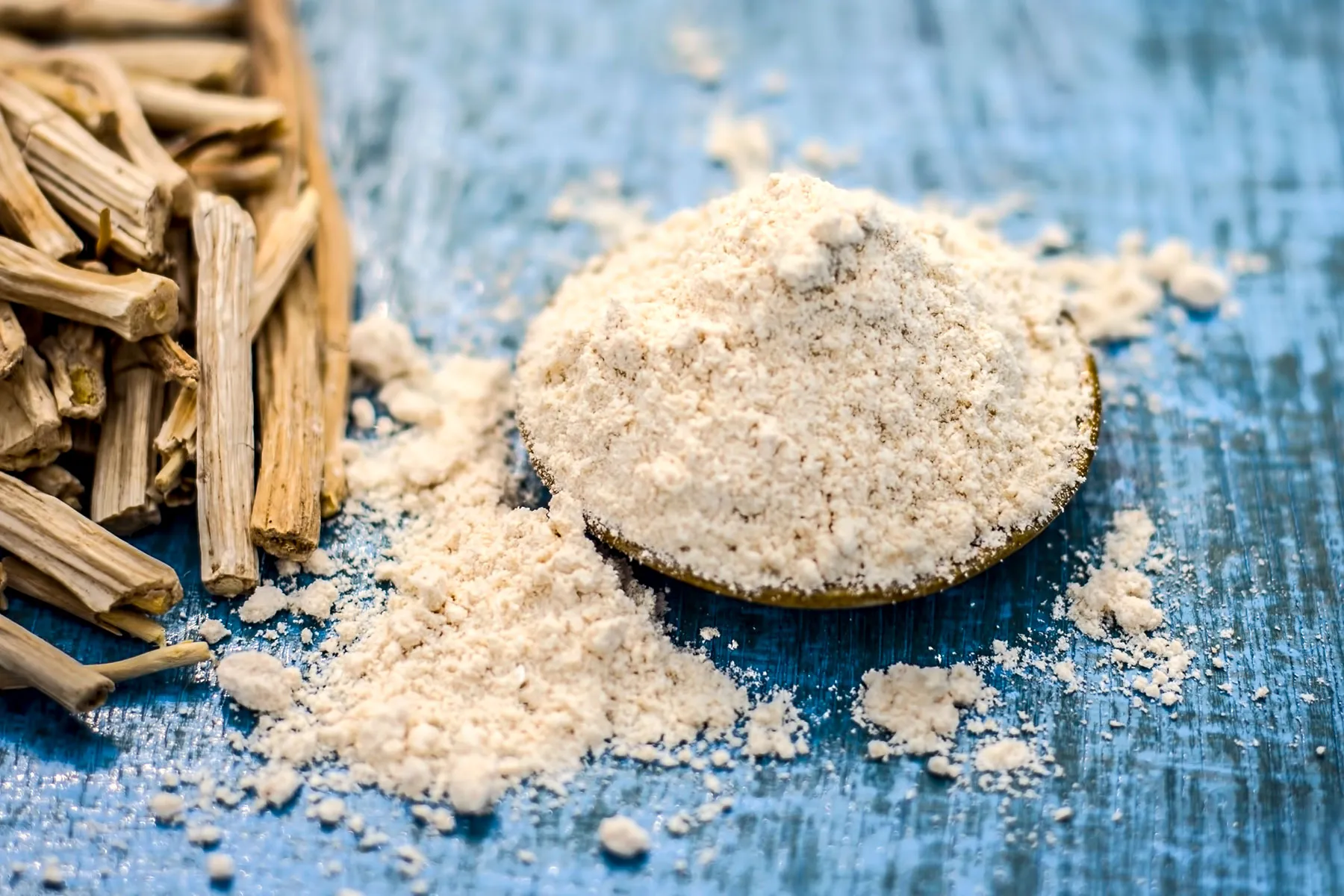
Shatavari is an Ayurvedic herb traditionally used for supporting female reproductive health, hormonal balance, and overall vitality. In classical Ayurvedic texts it’s considered a rasayana — basically a rejuvenating herb that nourishes the body’s tissues.
The plant itself (Asparagus racemosus) has been used for centuries. Modern wellness culture often talks about adaptogens, but Ayurveda described similar concepts long ago. Shatavari is believed to support resilience — not in a dramatic overnight way, more like gradual nourishment.
Why people search for this topic
People usually start looking into shatavari after facing things like:
Hormonal fluctuations
Irregular menstrual cycles
Low energy or burnout
Postpartum recovery
Perimenopause symptoms
I actually noticed this pattern reading through patient reviews on Ask Ayurveda. One woman, Meera from Delhi, wrote that after her second pregnancy she felt “constantly drained, almost like my body forgot how to recharge.” Her Ayurvedic practitioner recommended a gentle shatavari-based formulation from the portal. She said after about six weeks she felt calmer and more balanced. Not perfect, but better.
And sometimes better is enough to change everything.
Ayurveda perspective
Ayurvedic principles involved (simple, patient-friendly)
In Ayurveda, health revolves around balance between three doshas: Vata, Pitta, and Kapha. Shatavari is traditionally considered cooling and nourishing, which means it can help calm aggravated Pitta and Vata conditions.
When Vata becomes unstable — due to stress, travel, poor sleep, or irregular eating — symptoms can show up like dryness, anxiety, irregular cycles, or fatigue. Ayurveda often uses nourishing herbs, warm foods, and structured routines to bring the system back into rhythm.
That’s where shatavari is commonly suggested. It supports what practitioners call ojas, the subtle energy of vitality and immunity.
Typical patterns people notice in real life
From what I’ve seen (and read on Ask Ayurveda), people who benefit most often describe patterns like:
Long-term stress
Skipping meals or erratic routines
Hormonal ups and downs
Feeling depleted after illness or childbirth
One user story I remember clearly was from Ritu, a software engineer. She bought a shatavari supplement after reading about hormonal support on Ask Ayurveda and pairing it with lifestyle guidance from an online consultation. She said the biggest change wasn’t just physical. Her mood stabilised. Sleep improved. She even joked that her coworkers noticed she stopped snapping at meetings — small but meaningful.
Practical guidance
Daily routine tips (dinacharya-style, simple)
Ayurveda almost never relies on a single herb alone. Lifestyle matters a lot. Some simple habits that practitioners often recommend alongside shatavari include:
Waking at a consistent time each morning
Drinking warm water before breakfast
Eating nourishing foods like ghee, soaked almonds, and cooked grains
Reducing late-night screen time (I struggle with this one, honestly)
Gentle yoga or walking in the evening
When I tried adjusting my own routine slightly — just sleeping earlier and eating breakfast properly — I noticed improvements before any supplements even kicked in. It’s strange how basic things help.
What to avoid (common mistakes)
People sometimes make a few mistakes when trying herbal supplements:
Expecting instant results
Taking multiple herbs randomly
Ignoring diet and lifestyle
Buying low-quality products from unknown sources
That last one matters more than people realise. Many reviewers on Ask Ayurveda say they prefer purchasing there because formulations are standardized and guided by practitioners.
Still, herbs aren’t magic pills. They support systems already trying to heal.
Safety and when to seek medical help
Even natural herbs need thoughtful use. Shatavari is generally considered safe for many adults, but it may not suit everyone.
You should talk to a healthcare professional if you experience:
Persistent severe abdominal pain
Unexplained weight loss
Heavy or prolonged menstrual bleeding
Hormonal disorders diagnosed by lab tests
Pregnancy complications
Also, people with known allergies to asparagus-family plants should be cautious. And if you’re already taking hormone-related medications, professional guidance is really important.
Ayurveda works best when integrated thoughtfully with modern medicine — not instead of it.
Conclusion
Exploring Ayurvedic herbs like shatavari can be a fascinating journey into traditional healing wisdom. For many people, gentle herbs combined with better routines bring noticeable improvements in energy, hormonal balance, and overall wellbeing.
If you’re curious, start small: improve your daily habits, learn about Ayurvedic basics, and consult trusted platforms like Ask Ayurveda before trying new supplements. And if this story resonated with you, share it with someone who might be searching for natural wellness answers too.
FAQs
Is shatavari mainly used for women?
Traditionally it’s known for supporting women’s reproductive health, but Ayurvedic texts also mention benefits for men, especially related to vitality and digestion.
How long does it usually take to notice benefits?
Many people report subtle improvements within 4–8 weeks, though it depends on lifestyle, diet, and individual constitution.
Can shatavari help with stress or fatigue?
Some practitioners recommend it for stress-related depletion, especially when Vata imbalance is involved. But results vary, and a full Ayurvedic consultation often gives better guidance.