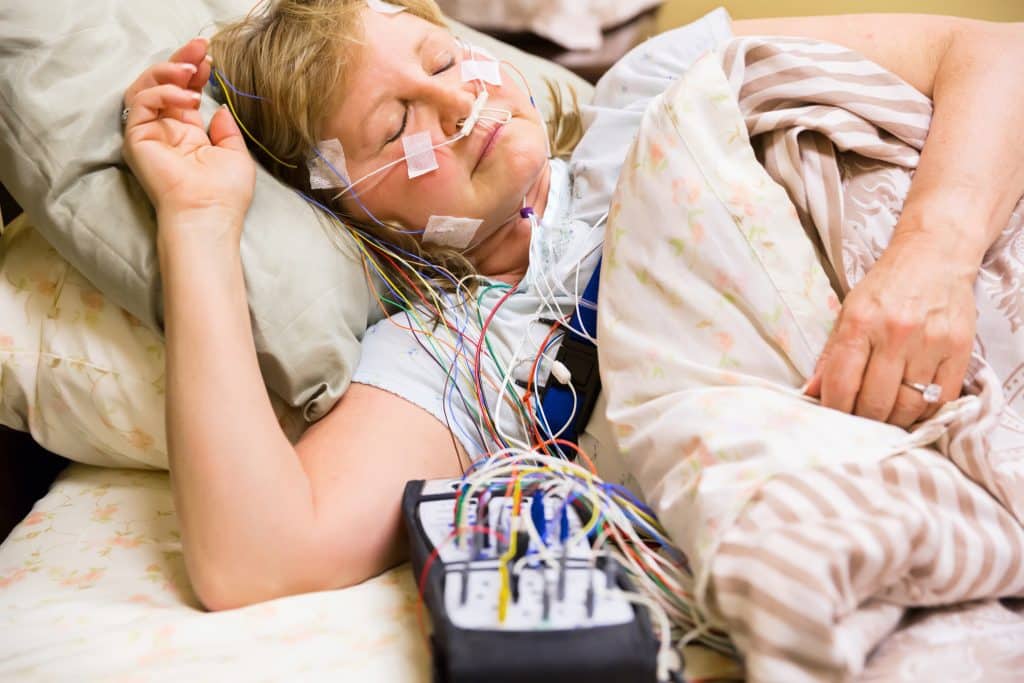
Sleep is often blamed on habits—late nights, stress, screens, caffeine. But for many people, sleep problems persist even when routines are perfect. Falling asleep feels impossible, staying awake feels unsafe, or dreams spill into waking life. In these cases, the issue isn’t behavior. It’s neurological.
Sleep neurology focuses on what happens when the brain itself struggles to control sleep and wakefulness.
Sleep Is an Active Brain State, Not a Shutdown
Contrary to popular belief, the brain doesn’t “turn off” during sleep. It shifts into carefully regulated states, each managed by specific neural circuits. These systems decide when you fall asleep, how deeply you sleep, when you dream, and how smoothly you wake.
When these circuits misfire, sleep becomes unstable. People may feel half-awake, half-asleep, or trapped between states. This is where sleep becomes a neurological concern rather than a lifestyle issue.
Why Some Sleep Problems Feel Strange or Unexplainable
Neurological sleep disorders often feel unfamiliar and hard to describe. People may experience sudden sleep attacks, vivid hallucinations while waking, or paralysis despite being conscious. Others feel overwhelming sleepiness even after long nights of rest.
These symptoms can feel frightening because they blur the boundary between sleep and wakefulness—something the brain normally keeps firmly separated.
When Dreams Cross Into Wakefulness
One of the clearest signs of neurological sleep disruption is when elements of dreaming appear during waking hours. This might include muscle paralysis, dream-like imagery, or sudden loss of muscle tone triggered by emotion.
These experiences aren’t psychological. They reflect instability in the brain systems that normally keep REM sleep contained within the night.
Sleep as an Early Warning Sign
In some neurological conditions, sleep problems appear years before more obvious symptoms. Changes in dream behavior, disrupted sleep rhythms, or unexplained daytime sleepiness can precede movement or memory disorders.
Because sleep relies on deep brain structures, it is often affected early when neurological disease begins to develop.
The Overlap Between Sleep and Seizures
Sleep and epilepsy are closely connected. Certain seizures occur almost exclusively at night, while sleep deprivation can lower the brain’s seizure threshold. Distinguishing between abnormal sleep behaviors and nocturnal seizures requires a neurological lens.
The timing, repetition, and structure of nighttime events often reveal whether the brain is generating sleep disturbances or seizure activity.
Why Treating Sleep Improves Brain Health
Poor sleep doesn’t just cause fatigue—it amplifies neurological symptoms. Memory, attention, mood, and movement all rely on stable sleep architecture. When sleep improves, many neurological conditions become easier to manage.
This is why neurologists pay close attention to sleep patterns, even when sleep isn’t the primary complaint.
A Neurological View of Rest
Sleep neurology treats sleep as a core brain function, not a side effect of daily life. It focuses on how neural circuits regulate rest, alertness, dreaming, and recovery—and what happens when those systems lose balance.
Final Thought
Sleep problems don’t always begin with habits. Sometimes, they begin with signals misfiring deep inside the brain. Understanding sleep from a neurological perspective helps explain symptoms that feel unusual, unpredictable, or resistant to routine fixes.
When sleep becomes unstable, the brain is often asking for closer attention.