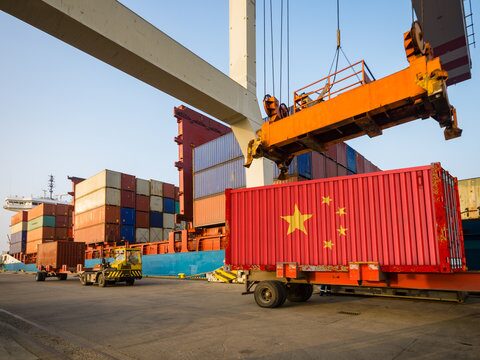
Summary:
Managing import and export operations in China requires attention to customs, licensing, and local operational coordination. International companies can benefit from structured local support to ensure compliance, reduce risk, and maintain smooth trade flows.
Key Points:
- Trade operations can be conducted without establishing a local subsidiary.
- Core areas include customs clearance, IOR/EOR services, and tariff management.
- Bonded and non-bonded warehousing supports domestic distribution.
- Coordination of freight across air, sea, and land ensures supply chain continuity.
- Reverse logistics and packaging services streamline returns and cross-border shipments.
Core Operational Areas
Import and export operations in China involve multiple interconnected functions:
- Customs Clearance and Compliance: Ensuring shipments meet all regulatory requirements.
- Importer and Exporter of Record (IOR/EOR): Managing legal responsibilities for trade.
- Tariff, Duty, and Tax Management: Accurate classification and timely payment of duties.
- Freight Coordination: Organizing international transport via air, sea, and land.
- Warehousing Solutions: Bonded and non-bonded facilities for storage and distribution.
- License and Certification Handling: Securing mandatory approvals for regulated products.
- Reverse Logistics: Managing returns and cross-border replacements efficiently.
- Consolidation and Packaging: Preparing shipments for compliance and operational efficiency.
These functions are best managed with structured local support to reduce operational risk and delays.
Integration with Domestic Distribution
Once goods clear customs, they often move through warehouses and local distribution networks. Bonded warehouses allow duty deferment until goods enter the market, while non-bonded warehouses facilitate immediate domestic delivery. Coordinated inland logistics ensures timely and predictable supply chain operations.
Operational Support Beyond Freight
Effective trade operations extend beyond transportation. Administrative support, document management, and coordination with local authorities are essential for compliance. PTL Group provides integrated operational support, enabling predictable china import and export operations for international companies, without the need for a local legal entity.
Conclusion
Structured operational support is critical for managing import and export processes in China. Companies that combine customs, freight, warehousing, and administrative coordination achieve greater efficiency, compliance, and supply chain continuity.