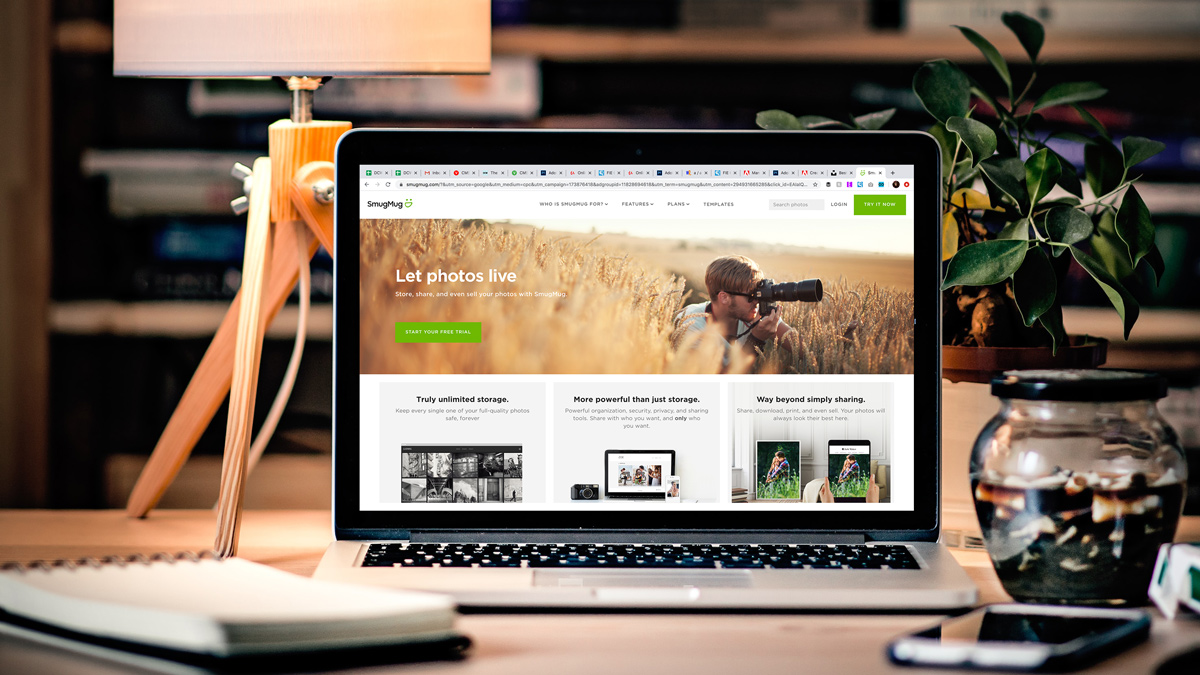
For photographers, an online presence is no longer optional. Whether you are a wedding photographer, portrait artist, or commercial shooter, your website acts as your portfolio, marketing tool, and client contact point. Choosing the right platform can make a major difference in how your work is presented and how easily potential clients can reach you.
A modern photography website builder allows creatives to design professional websites without needing coding skills. With intuitive editors, ready-made templates, and drag-and-drop features, photographers can focus on visuals rather than technical setup.
Why Photographers Need a Dedicated Website
Social media platforms are useful for exposure, but they do not offer full control. Algorithms change, posts get buried, and customization options are limited. A personal website provides:
- Complete ownership of your content
- Better branding and credibility
- Higher visibility in search engines
- A centralized portfolio for clients
Your website becomes your digital studio, available 24/7 for visitors worldwide.
Key Features to Look For
Not all website builders are designed with photographers in mind. When selecting a platform, consider these essential features:
1. Visual-Focused Templates
Photography websites must highlight images. Look for clean, gallery-driven layouts that allow large, high-quality visuals.
2. Fast Loading Speed
Image-heavy websites can become slow. A good builder optimizes images automatically to maintain performance.
3. Mobile Responsiveness
Most visitors browse on phones. Your site should adapt perfectly to different screen sizes.
4. SEO Tools
Built-in SEO settings help your site rank in Google. Features like meta titles, descriptions, and alt text are critical.
5. Easy Customization
You should be able to adjust colors, fonts, and layouts to match your brand style.
Benefits of Using a Website Builder
Using a photography website builder saves both time and money. Instead of hiring developers or learning complex systems, photographers can launch a site quickly. Many builders also include:
- Hosting and domain integration
- Blog functionality
- Contact forms
- E-commerce for prints or bookings
This all-in-one approach simplifies website management.
Design Tips for Photography Websites
Even with great tools, thoughtful design matters. Keep these best practices in mind:
- Use high-quality, optimized images
- Avoid cluttered layouts
- Keep navigation simple
- Highlight your best work first
- Include clear contact information
A clean and visually engaging website improves user experience and conversion rates.
Final Thoughts
Your website is often the first impression potential clients have of your work. Investing time in selecting the right platform ensures your portfolio looks polished and professional. With the right tools, photographers can build a strong digital presence that attracts clients and showcases creativity effectively.