Key Takeaways
- Understanding the chemical composition of construction adhesives is crucial for selecting the right product.
- Proper surface preparation significantly enhances adhesive performance.
- Environmental factors, including temperature and humidity, can affect adhesive curing and strength.
- Advancements in adhesive technology continue to improve bond durability and application versatility.
Construction adhesives play a crucial role in the building industry, providing stronger, more flexible, and longer-lasting bonds. They ensure reliability and safety by creating seamless connections between materials. Understanding adhesive technology enables professionals to select the appropriate adhesive for any construction or repair scenario, thereby minimizing costs and time. For an in-depth look at adhesive solutions and their applications, visit https://leechadhesives.com.
Selecting the correct construction adhesive is a complex process that requires a thorough understanding of the science behind each type, taking into account factors such as materials, environmental conditions, and project timelines. This approach allows users to tackle projects of any scale, from home renovations to large commercial builds, with confidence in the final results. Sustainability and safety concerns have also influenced the development of adhesives, leading to the promotion of greener options.
Chemical Composition and Types of Construction Adhesives
Construction adhesives are engineered using a variety of chemical bases, each delivering unique performance benefits for particular project types and environmental conditions. Understanding these differences is vital in optimizing bond strength and longevity:
- Polyurethane-Based Adhesives: Praised for their flexibility and ability to adhere to a wide array of surfaces, polyurethane adhesives withstand vibration, moisture, and movement. This makes them a top choice for projects involving substrates that expand or contract, such as wood and metals.
- Epoxy Adhesives: Created by mixing a resin with a hardener, epoxies provide powerful bonds and superior resistance to chemicals, weather, and impact. These adhesives are particularly effective in heavy-duty or load-bearing applications, such as structural repairs and industrial assembly.
- Acrylic Adhesives: Renowned for their rapid curing and suitability for bonding lightweight or non-porous materials, acrylic adhesives excel in applications where minimal downtime is crucial and an aesthetically pleasing finish is essential.
By evaluating the chemical formulation and performance characteristics of each type, construction professionals can ensure optimal compatibility and functionality, reducing the potential for costly failures.
Surface Preparation: A Critical Step
The foundation of a successful adhesive application is proper surface preparation. Ignoring this crucial step can dramatically reduce bond strength, compromise safety, and shorten the lifespan of any construction project.
- Cleaning: All surfaces must be free of dust, oil, debris, and other contaminants that could prevent the adhesive from forming a direct bond with the substrate. Use solvents or dedicated cleaners if needed to ensure maximum cleanliness.
- Drying: Most adhesives require a dry surface to cure effectively. Excess moisture not only inhibits adhesion but can also affect long-term performance, particularly in environments that are sensitive to moisture.
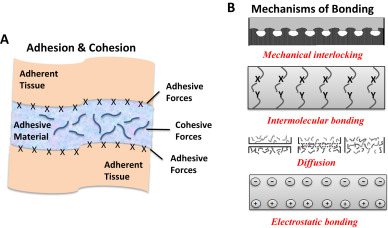
- Roughening: Lightly sanding or roughening non-porous or glossy surfaces increases their surface area, allowing the adhesive to form a stronger mechanical bond.
Diligent surface preparation is recognized as a best practice across the industry and is frequently recommended by manufacturers to maximize product efficacy.
Environmental Factors Influencing Adhesive Performance
The environment in which an adhesive is stored and applied can be just as important as its chemical makeup. Key factors that builders must account for include:
- Temperature: Both high and low temperatures impact adhesive viscosity, curing time, and ultimate bond strength. Cold conditions can cause some adhesives to become brittle or fail to cure, while excessive heat may lead to insufficient adhesion or slumping.
- Humidity: Certain adhesives are moisture-cured and require a specific level of humidity to function optimally. Others may be weakened by excessive moisture, which can delay curing or compromise the integrity of the bond.
Many manufacturers provide detailed environmental recommendations for their products, which should always be followed to prevent premature failure.
Advancements in Adhesive Technology
The construction industry has witnessed significant innovation in adhesive technology, leading to products that substantially enhance efficiency and safety while addressing growing environmental concerns.
- Improved Flexibility: New adhesive formulations accommodate the natural expansion and contraction of construction materials, preventing cracks and maintaining structural integrity over time.
- Faster Curing Times: Modern adhesives can reduce project delays by allowing for rapid turnaround and minimal downtime, even in challenging conditions.
- Eco-Friendly Options: Advances in chemistry have led to the development of low-VOC (volatile organic compound) adhesives, which reduce indoor air contamination, promoting a healthier work environment and minimizing ecological impact.
These improvements have contributed to greater versatility in adhesive application, ensuring reliable bonds across an ever-widening range of construction scenarios.
Conclusion
Mastering the science behind construction adhesives empowers users to build safer, stronger, and more durable structures. By considering key elements such as chemical composition, proper surface preparation, and awareness of environmental conditions, construction professionals and hobbyists can achieve the best possible results. Staying abreast of advances in adhesive technology means not only exceeding performance standards but also making informed choices that prioritize health and sustainability.