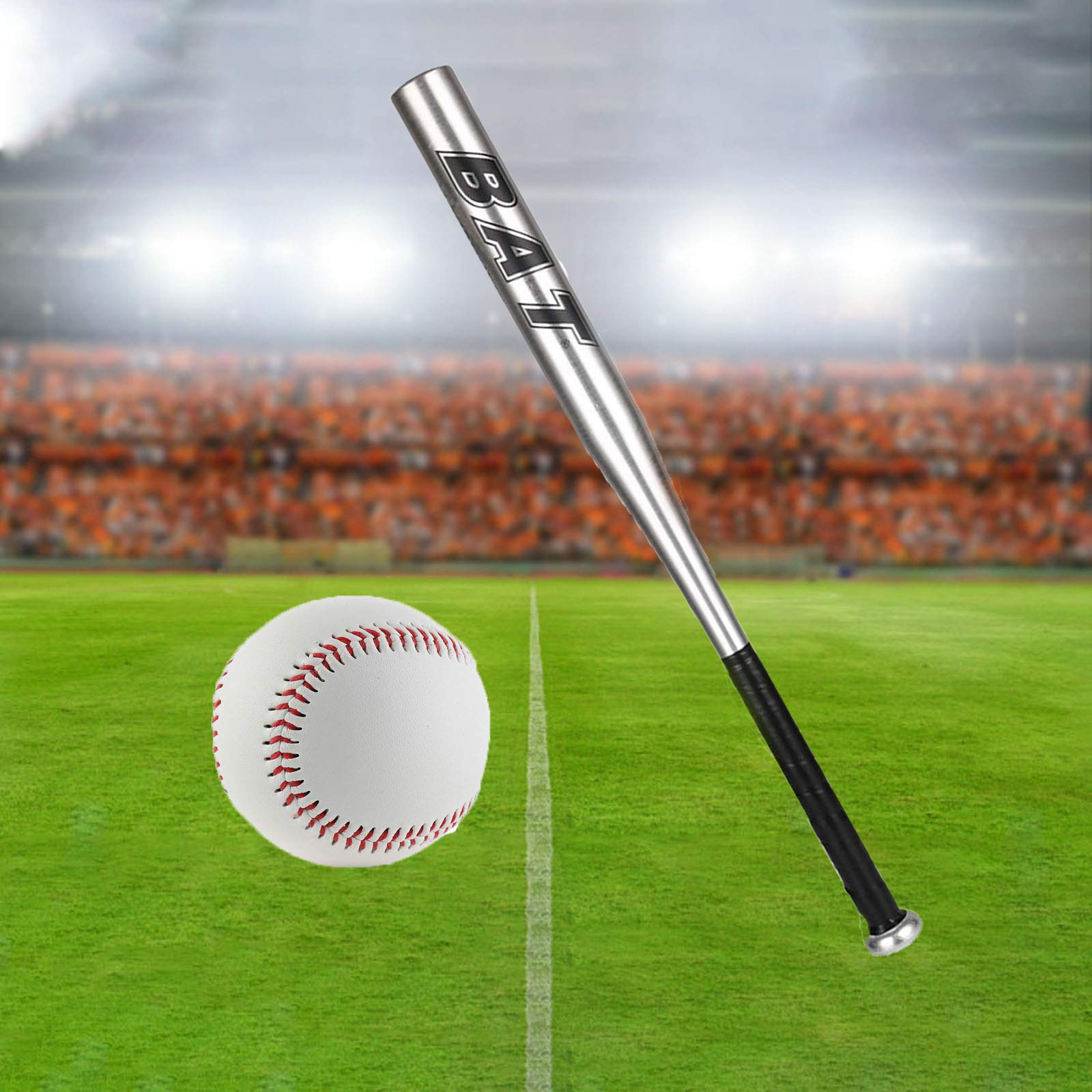
Choosing the right baseball bat can have a significant impact on your comfort, confidence, and performance at the plate. With many different sizes, materials, weights, and designs available, finding the ideal option can feel challenging, especially for newer players. The best baseball bats are not necessarily the most expensive ones; they are the bats that match your age, league requirements, physical strength, swing style, and personal preferences. By understanding these factors, you can make a more informed decision and find a bat that complements your playing style.
Understand Your Playing Style
Before choosing a bat, think about how you approach hitting. Every player has a unique swing, and the ideal bat should work with your natural mechanics.
Power hitters often prefer bats that provide more mass behind the ball. Contact hitters may benefit from a lighter bat that allows them to generate quicker swing speeds. Players who are still developing their technique may want a balanced option that offers a combination of speed and control.
Understanding your strengths can help narrow down the many baseball bats available on the market.
Choose the Correct Bat Length
Bat length affects reach, control, and swing mechanics. A bat that is too long can be difficult to control, while one that is too short may reduce your ability to cover the plate effectively.
Players should consider their height, weight, age, and hitting position when selecting a length. Younger players typically need shorter bats, while taller and stronger players may be comfortable with longer models.
If possible, try different lengths before purchasing. Taking a few practice swings can help you determine which size feels natural.
Pay Attention to Bat Weight
Weight is one of the most important factors when selecting baseball bats. A heavier bat can provide more power, but it generally requires greater strength and swing control.
Lighter bats can be easier to swing quickly, making them appealing to contact hitters and younger players. A bat that feels too heavy can slow down your swing and make it harder to make consistent contact.
The goal is to find a weight that allows you to maintain good swing mechanics while generating enough power.
Learn About Drop Weight
Drop weight refers to the difference between the bat’s length and weight. For example, a bat that is 30 inches long and weighs 27 ounces has a drop weight of -3.
Understanding this measurement is especially important because different leagues have specific bat regulations. A player’s age and competition level can determine which drop weight is appropriate.
Always check your league’s current rules before buying a bat to ensure it meets the required specifications.
Compare Aluminum and Composite Bats
The material of a bat can influence its feel, performance, durability, and maintenance requirements.
Aluminum bats are often appreciated for their durability and relatively consistent performance. They can also be suitable for players who want a straightforward option for regular practice and games.
Composite bats are made from layered materials and can offer a different swing feel. Some players prefer their balance and vibration characteristics.
There are also hybrid bats that combine different materials. Consider your preferences, budget, and league regulations when comparing these options.
Consider Balanced and End-Loaded Designs
Bat balance is another important consideration. Balanced baseball bats distribute weight more evenly throughout the barrel, making them easier to control and swing quickly.
End-loaded bats place more weight toward the barrel’s end. This design can appeal to stronger power hitters who want additional mass behind the ball.
If you rely on quick hands and contact hitting, a balanced bat may feel more comfortable. If you naturally generate strong swing speed and prioritize power, an end-loaded model could be worth considering.
Check League Regulations
Before purchasing baseball bats, always confirm the rules of your league, school, or organization. Different levels of baseball can have specific requirements regarding materials, certifications, barrel dimensions, length-to-weight ratios, and other specifications.
A bat that performs well may still be unusable if it does not meet your competition’s regulations. Checking approved equipment lists or asking your coach can prevent an expensive mistake.
Think About Your Budget
Price is another factor to consider. Baseball bats are available at many price points, from affordable entry-level models to advanced bats designed for experienced players.
A more expensive bat does not automatically mean it will improve your performance. Beginners may benefit more from investing in a reliable, comfortable bat that fits correctly than from purchasing a premium model with features they do not need.
Consider durability and expected usage when deciding how much to spend.
Test the Bat Before Buying
Whenever possible, test a bat before making a purchase. Take practice swings and pay attention to how easily you can control it.
Ask yourself whether the bat feels comfortable, whether you can maintain your normal swing speed, and whether the weight distribution feels natural.
Your confidence at the plate matters. A bat that feels comfortable can help you focus on timing and technique rather than struggling with equipment.
Maintain Your Bat Properly
Once you find the right bat, proper care can help extend its useful life. Follow the manufacturer’s recommendations regarding storage, temperature, cleaning, and usage.
Avoid using a game bat in situations where it could be damaged unnecessarily. Regularly inspect the bat for cracks, dents, or other signs of damage, and replace it when necessary.
Proper maintenance can help keep your equipment performing consistently.
Conclusion
Choosing the right baseball bat is about finding the combination of length, weight, material, balance, and design that matches your individual playing style. Power hitters may prefer end-loaded options, while contact hitters may benefit from balanced and lighter models. Most importantly, players should consider comfort, league requirements, and swing control before making a purchase.
By understanding your needs and testing different baseball bats when possible, you can select equipment that supports your technique and helps you feel more confident every time you step into the batter’s box.