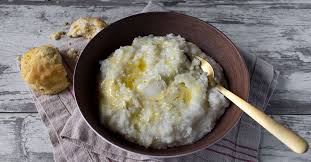
When considering whether grits are good for you, especially in the context of weight loss, the answer depends on several factors including the type of grits, portion size, and how they fit into your overall diet. Grits can be part of a balanced eating plan, but understanding their nutritional profile and how you prepare them is essential for making informed choices.
Understanding What Grits Are
Grits are a dish made from ground corn, commonly enjoyed in various regions as a breakfast staple or side dish. They come in forms such as stone-ground, instant, or quick-cooking, each with slightly different textures and cooking times. Knowing the type of grits you choose influences their nutritional content and how they affect satiety and energy levels.
Nutritional Profile of Grits
At their core, grits are primarily a source of carbohydrates, with some protein and minimal fat. They provide calories that can contribute to energy needs but offer limited fiber unless made from whole-grain corn. This lack of fiber is a key consideration since fiber plays an important role in feeling full and supporting digestion. Additionally, many commercial versions contain added sodium or preservatives, which can impact overall health when consumed frequently.
How Preparation Affects Healthfulness
Adding butter, cheese, or cream can greatly increase the calorie and fat content of grits, which might counteract weight loss goals. On the other hand, pairing grits with vegetables, lean proteins, or healthy fats can create a more balanced meal. Cooking methods that avoid excessive fats or sugars help maintain the nutritional integrity of grits and support better weight management.
Assessing Portion Sizes and Frequency
Portion control is critical when including grits in a weight loss plan. Typical servings may vary, but larger portions lead to higher calorie intake. Eating grits occasionally as part of a varied diet is different from consuming them daily in large quantities. Understanding your daily calorie needs and how grits fit within that framework helps prevent unintended weight gain.
A Practical Evaluation Framework for Choosing Grits
To decide if grits are a suitable addition to your weight loss efforts, consider the following checklist:
1. Type of Grits: Opt for whole-grain or stone-ground versions for more fiber and nutrients.
2. Ingredient Additions: Limit high-fat or high-sugar toppings; choose vegetables or lean proteins.
3. Portion Size: Measure servings to keep calorie intake appropriate.
4. Frequency: Include grits moderately rather than as a daily staple.
5. Overall Diet Context: Ensure your meals are balanced with sufficient fiber, protein, and healthy fats.
6. Personal Goals and Dietary Needs: Reflect on any specific health conditions or preferences that influence your food choices.
This framework supports a thoughtful approach rather than a simple yes or no answer to whether grits are good for you.
For those seeking a detailed breakdown of how grits fit into weight loss strategies, the FormBlends guide offers clear insights and practical advice tailored to current nutritional understanding.
Short Frequently Asked Questions
Are all grits equally healthy?
No. Whole-grain grits tend to have more fiber and nutrients compared to instant or highly processed varieties, which may contain added sodium or preservatives.
Can eating grits cause weight gain?
Eating any food in excess can contribute to weight gain. Managing portion size and balancing grits with other nutrient-rich foods helps mitigate this risk.
How can I make grits a healthier meal option?
Prepare grits with minimal added fats or sugars, include vegetables, and pair them with lean proteins to enhance nutritional value.
Final Note
This article is intended for informational purposes and should not replace professional dietary or medical advice. Always consult with a qualified health provider when making significant changes to your diet or weight management plan.
What to verify before acting
Before a reader relies on any comparison about are grits healthy for weight loss, the safest move is to confirm the basics directly. Check when the page was last updated, whether the criteria are explained clearly, and whether the recommendation separates facts from marketing claims. It also helps to compare total cost, access requirements, support, refund language, and any limits that could change the real-world value of an option.
The goal is not to find a perfect answer from one article. The goal is to narrow the search to a short list, understand the tradeoffs, and know which questions to ask next. That approach is slower than clicking the first result, but it usually produces a better decision and reduces the chance of being pulled in by a page that ranks well without explaining enough.