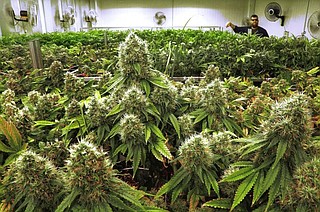
Arkansas voters approved medical marijuana in 2016, becoming the first Deep South state to legalize cannabis through a ballot initiative. Since then, the program has grown into one of the region’s most successful medical cannabis markets, serving over 114,000 registered patients through a network of 38 licensed dispensaries.
The Natural State took a measured approach to dispensary licensing, capping the number of retail locations rather than allowing unlimited market entry. This controlled growth created a stable dispensary network but one with fewer options than patients in states like Oklahoma enjoy. Understanding how to navigate Arkansas’s dispensary landscape helps patients maximize their access within the existing framework.
Arkansas’s Controlled Dispensary Model
Unlike states that issued unlimited dispensary licenses, Arkansas capped its retail locations at 40. With 38 currently operating, the state has nearly reached its authorized limit. This cap reflected legislative caution about how quickly the market should develop.
The limited licensing approach creates different dynamics than open markets. Dispensaries face less competitive pressure, which can affect pricing and service levels. Patients have fewer options, making geographic convenience more dependent on where licenses happened to land.
The tradeoff is market stability. Arkansas dispensaries operate viable businesses without the oversupply pressures that caused widespread closures in states like Oklahoma. Patients benefit from established operations that have refined their processes over years of experience.
The 38 Arkansas dispensaries represent the practical reality patients must navigate. Rather than overwhelming choice, patients face a defined set of options distributed across the state.
Geographic Distribution of Dispensaries
Arkansas distributed dispensary licenses across geographic zones to ensure statewide coverage rather than concentration in a few urban areas. This zoning approach means patients across the state have at least some dispensary access, though convenience varies significantly.
Little Rock and central Arkansas have the highest dispensary concentration. The state capital and surrounding communities offer multiple options within reasonable driving distance. Patients in this region can comparison shop and choose among several locations.
Northwest Arkansas, including Fayetteville, Bentonville, and Rogers, has meaningful dispensary presence. The region’s population growth and economic development supported dispensary viability in this corner of the state.
Fort Smith and the western border region have dispensary access. Proximity to Oklahoma creates some cross-border awareness, though Arkansas patients must use Arkansas dispensaries for legal purchases.
Northeast Arkansas, including Jonesboro, has options serving that region. The eastern part of the state has dispensary coverage though with fewer total locations than more populated areas.
Rural areas between these population centers face longer drives. Some patients must travel 30 minutes or more to reach any dispensary. Arkansas’s highway network helps, but distance remains a factor for rural residents.
The Medical-Only Reality
Arkansas has not legalized recreational cannabis despite multiple attempts. A 2022 ballot initiative failed, and a 2024 effort was blocked through court action before voters could decide. Recreational possession remains illegal, carrying potential criminal penalties.
This medical-only status makes certification essential for legal access. There is no recreational alternative. Patients who want legal cannabis must complete the medical program requirements and purchase from licensed dispensaries.
Obtaining an Arkansas medical marijuana card requires physician certification and state registration. Physicians evaluate patients for qualifying conditions and issue recommendations for those who meet criteria.
Arkansas recognizes numerous qualifying conditions including cancer, glaucoma, HIV/AIDS, hepatitis C, ALS, Tourette syndrome, Crohn’s disease, ulcerative colitis, PTSD, severe arthritis, fibromyalgia, Alzheimer’s disease, cachexia, peripheral neuropathy, intractable pain, severe nausea, seizures, and severe muscle spasms.
The comprehensive list ensures most patients with genuine therapeutic needs can qualify. The state registration fee is $50, and certifications require annual renewal to maintain dispensary access.
What Arkansas Dispensaries Offer
Arkansas dispensaries have developed substantial product selections over the program’s years of operation.
Flower dominates patient purchases, with Arkansas patients buying over 65,000 pounds in 2025 alone. Multiple strains with varying cannabinoid and terpene profiles provide options for different patient preferences and needs.
Concentrates offer higher potency options for patients requiring stronger products or preferring different consumption methods than flower.
Edibles, tinctures, and topicals provide alternatives to inhalation. Patients who prefer not to smoke or who need different onset times and durations can find appropriate formulations.
Product quality reflects Arkansas’s testing requirements. Laboratory analysis verifies cannabinoid content and screens for contaminants before products reach dispensary shelves. Patients receive products meeting state safety standards.
Pricing in Arkansas has become more competitive as the market matured. Early program prices were substantially higher than today’s rates. Increased cultivation capacity and market experience have driven prices down, though Arkansas remains more expensive than some larger markets.
Choosing Among Dispensary Options
Patients with access to multiple dispensaries should evaluate options thoughtfully rather than defaulting to the closest location.
Product selection varies across dispensaries. Each location makes inventory decisions based on supplier relationships, storage capacity, and patient demand. Patients seeking specific strains or product types should verify availability before making trips.
Online menus help patients research options remotely. Most Arkansas dispensaries publish current inventory listings showing available products with pricing. Checking menus before visits ensures dispensaries have what patients want.
Pricing differs among locations. While competitive pressures exist, dispensaries set their own prices. Comparing costs for products purchased regularly reveals which locations offer better value.
Daily deals and promotions provide savings opportunities. Many dispensaries run specials on particular days or for particular product categories. Tracking these promotions helps price-conscious patients stretch their budgets.
Staff knowledge varies across locations. Some dispensaries employ experienced personnel who can discuss products in depth and provide meaningful recommendations. Others focus more on transaction efficiency. Patients valuing consultation should evaluate staff quality when choosing regular dispensaries.
Possession Limits and Purchase Rules
Arkansas allows patients to possess up to 2.5 ounces of cannabis purchased from licensed dispensaries during any 14-day rolling period. This limit applies to total purchases across all dispensaries, not per-location limits.
The dispensary system tracks patient purchases to ensure compliance with possession limits. Patients approaching their limits may be unable to complete additional purchases until the 14-day window resets.
Understanding the rolling limit helps patients plan purchases appropriately. Those who consume more cannabis should time purchases to maintain consistent access rather than hitting limits and facing waiting periods.
The Dispensary Visit Process
Arkansas dispensary visits follow patterns common to medical marijuana states.
Identification verification happens at entry. Patients present government ID and their medical marijuana cards. Staff confirm valid registration before allowing access to retail areas.
Consultation with staff helps patients navigate options. Discussing needs, asking questions, and receiving recommendations improves product selection. First-time patients especially benefit from taking time to understand available options.
Product selection follows consultation. Reviewing choices, considering staff input, and making informed decisions leads to better outcomes than rushing through purchases.
Payment options vary. Banking restrictions mean some dispensaries operate cash-only while others accept debit cards. Verifying payment methods before visits prevents complications.
Product verification before leaving ensures accuracy. Checking purchases against receipts while still at the dispensary makes addressing any errors straightforward.
Building Dispensary Relationships
Regular patients benefit from establishing ongoing relationships with preferred dispensaries.
Staff familiarity develops through repeated visits. Employees who recognize returning patients and understand their preferences provide more personalized service over time.
Loyalty programs reward consistent customers at many Arkansas dispensaries. Points systems, discount programs, and patient appreciation events yield savings for regular purchasers.
Communication from dispensaries keeps patients informed. Opting into text or email notifications ensures patients learn about sales, new products, and inventory arrivals.
Feedback helps dispensaries improve. Patients who share experiences, positive and negative, help locations refine their operations. Responsive dispensaries become better over time.
Program Funding and Community Impact
Arkansas’s medical marijuana program generates substantial tax revenue that benefits the broader community. Over $21 million in state taxes were collected in 2025, with total program taxes exceeding $100 million since launch.
Recent legislation directed cannabis tax revenue toward addressing food insecurity, funding free breakfast programs for students across Arkansas. Patients purchasing from dispensaries directly contribute to these community benefits.
This connection between patient purchases and social programs adds dimension to dispensary transactions. Each purchase supports not just patient wellness but broader community needs.
Managing Access Challenges
Some patients face particular challenges accessing Arkansas’s dispensary network.
Rural patients must manage longer drives to reach dispensaries. Planning trips strategically, combining dispensary visits with other errands, and purchasing quantities that last between visits helps manage distance challenges.
Limited dispensary options mean patients may not find perfect matches nearby. Working with available options rather than holding out for ideal situations ensures continued access.
Financial constraints affect some patients. Comparing prices across dispensaries, utilizing loyalty programs, and timing purchases around sales help manage costs.
Transportation barriers prevent some patients from reaching dispensaries independently. Caregiver registration allows designated individuals to purchase on behalf of patients who cannot visit themselves.
The Path Forward
Arkansas’s medical marijuana program continues evolving. Patient counts grow steadily, with over 114,000 currently registered. Sales have exceeded $250 million in 2025, on pace to break annual records.
The dispensary network has matured into stable operations serving patients effectively. While the 38-dispensary cap limits expansion, existing locations have developed experience and refined their operations over years of service.
Recreational legalization remains possible but uncertain. Advocacy continues despite past defeats. Patients should plan based on current medical-only conditions while remaining aware that the landscape could change.
Getting Started
Arkansas residents interested in legal cannabis access must complete medical certification before visiting dispensaries. Physician evaluation and state registration establish the foundation for legal purchasing.
Once certified, identifying nearby dispensaries and understanding their offerings helps patients plan effective access. Researching options before visits ensures patients find what they need efficiently.
The 38 dispensaries serving Arkansas represent meaningful infrastructure for the over 114,000 registered patients. Finding locations that serve your needs within that network is how patients realize the access Arkansas voters created in 2016.
