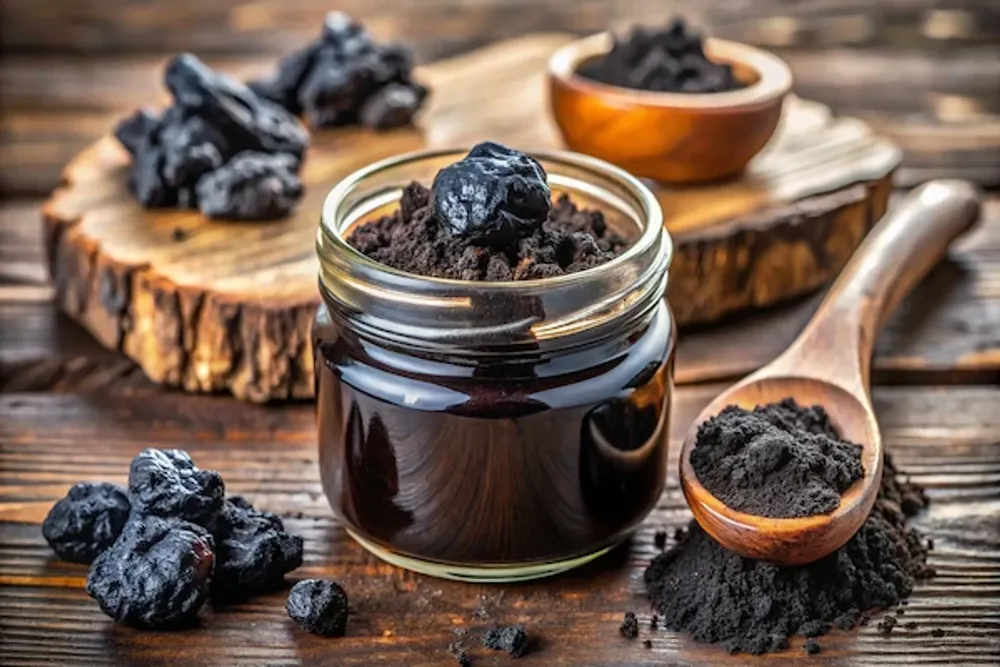
Shilajit, the mineral-rich resin harvested from the Himalayan mountains, has been valued for centuries in traditional medicine for its rejuvenating and therapeutic properties. One of the most notable characteristics of authentic Shilajit is its color, which can range from dark brown to black, with subtle variations depending on origin, composition, and processing. Understanding these natural color variations is essential for distinguishing genuine Shilajit from low-quality or adulterated products. High-quality sources like https://www.newphaseblends.com/product/pure-himalayan-shilajit/ ensure that the natural colors are preserved while maintaining purity and bioactive potency. This guide explores the factors influencing Shilajit’s color, what these variations indicate, and how to recognize authenticity through visual observation.
The Dark Brown to Black Spectrum
Authentic Shilajit primarily ranges from dark brown to black. Dark brown shades often indicate high concentrations of organic matter and natural humic compounds, while deeper black tones usually reflect increased mineral content and prolonged formation periods in high-altitude environments. Minor color differences within the same batch are common, reflecting natural variation in the rock and plant materials from which Shilajit forms.
Influence of Geological Source
The geological source of Shilajit significantly impacts its color. Different mountain regions contain varying mineral compositions, which influence the pigmentation of the resin. High-altitude rocks with abundant trace minerals often produce darker Shilajit, whereas regions with lower mineral density may yield slightly lighter brown tones. Understanding the origin provides context for color variations and helps in identifying genuine products.
Effect of Organic Composition
Shilajit contains a complex mix of organic substances, including fulvic and humic acids, which contribute to its color. Fulvic acid, for instance, may produce reddish-brown hues, while humic acid contributes to darker shades. The balance between these organic compounds affects the visual appearance, giving each batch of Shilajit its unique coloration without altering efficacy or potency.
Role of Moisture Content
Moisture levels also influence Shilajit’s color. Freshly collected or minimally dried resin may appear slightly lighter and glossier due to retained moisture. As the resin dries, the color darkens and becomes more consistent, reflecting the concentration of bioactive compounds. Proper storage preserves the natural color while preventing excessive darkening or degradation.
Seasonal Variation in Collection
The time of year when Shilajit is harvested can cause subtle differences in color. Resin collected during warmer months tends to be softer and slightly lighter in shade, while resin from cooler seasons may appear darker and firmer. Seasonal variation is a natural aspect of Shilajit’s lifecycle and is not indicative of inferior quality.
Impact of Purification and Processing
High-quality Shilajit undergoes minimal purification to remove impurities while retaining natural bioactive compounds. Over-processing or excessive chemical treatment can alter the natural color, making it unnaturally uniform or lighter. Authentic Shilajit maintains its characteristic range of dark brown to black shades, reflecting both its mineral and organic composition.
Visual Indicators of Authenticity
Color is a key visual cue for authenticity. Genuine Shilajit exhibits natural, non-uniform shades within the dark spectrum, often with subtle variations or glossy streaks. Completely uniform or bright-colored resin may indicate artificial coloring, fillers, or adulteration. Observing the interplay of dark hues, subtle highlights, and natural gloss can help consumers identify high-quality resin.
Comparing Resin, Powder, and Solid Forms
Different forms of Shilajit—resin, powder, and capsules—may display slight color variations due to processing. Resin usually retains the darkest, most natural shades, while powdered forms may appear slightly lighter due to grinding. Capsules or tablets may contain uniformly colored extracts, but high-quality products preserve the natural spectrum of colors through careful processing. Awareness of these differences ensures accurate assessment of product authenticity.
Color and Bioactive Compounds
Shilajit’s color correlates with the presence of bioactive compounds. Darker shades often indicate higher mineral content and humic acid concentration, while variations in reddish-brown tones reflect fulvic acid levels. While color alone cannot measure potency, it serves as a useful indicator when combined with other characteristics such as texture, aroma, and solubility.
Storage and Color Preservation
Proper storage is essential for maintaining Shilajit’s natural color. Exposure to heat, sunlight, or moisture can lead to darkening, loss of gloss, or changes in texture. Storing Shilajit in airtight containers away from direct light preserves both color and bioactive compounds. Maintaining natural coloration is an important aspect of preserving the resin’s authenticity and efficacy.
Cultural Knowledge of Color Variations
Traditional knowledge emphasizes the importance of color in assessing Shilajit quality. Himalayan harvesters often evaluate the resin’s shade as a primary indicator of potency and authenticity. Dark, glossy resin is considered mature and rich in bioactive compounds, while lighter resin is sometimes seen as less concentrated. Understanding these cultural benchmarks enhances modern consumers’ ability to evaluate Shilajit accurately.
Color as Part of Sensory Evaluation
Visual assessment of color should be combined with other sensory cues such as aroma, texture, and taste. Authentic Shilajit exhibits earthy, mineral-rich scent and sticky, pliable texture alongside its natural dark shades. Evaluating color in the context of these other indicators provides a comprehensive method for determining quality and authenticity.
Identifying Adulteration through Color
Unnatural color can indicate adulteration. Extremely light, uniform, or bright resin may have been mixed with fillers, synthetic substances, or improperly processed extracts. Recognizing these visual red flags helps consumers avoid substandard products and select genuine Himalayan Shilajit with preserved bioactive qualities.
Educational Value for Consumers
Understanding natural color variation empowers consumers to make informed choices. Awareness of how geology, organic composition, moisture, and seasonal factors influence Shilajit’s appearance allows users to appreciate natural diversity while avoiding deceptive products. Educated evaluation supports both health benefits and preservation of traditional harvesting practices.
Conclusion: Appreciating and Recognizing Natural Color Variations
The color of Shilajit is a crucial indicator of its natural origin, quality, and authenticity. Ranging from dark brown to black, with subtle variations reflecting minerals, organic compounds, moisture, and seasonal factors, authentic Shilajit displays non-uniform shades that signal genuine composition. Proper storage, minimal processing, and adherence to traditional harvesting practices preserve these natural colors.